
Why Deferred Maintenance Costs Homeowners More in the Long Run
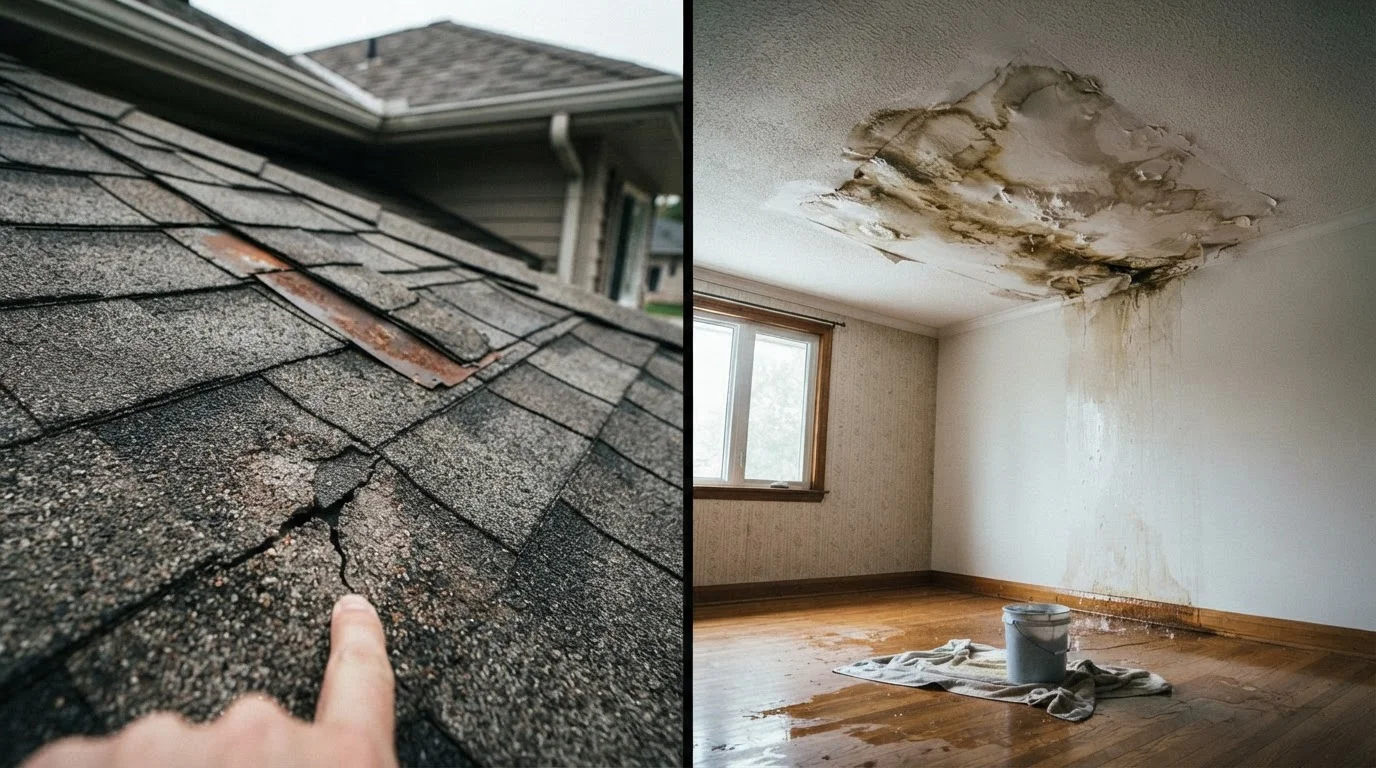
Photo credit: FaqInsider.com
In this article
Skipping routine upkeep feels like a saving—until it isn't. Learn how small neglected tasks compound into major, costly repairs.
Key Takeaways
- Skipping small repairs typically creates larger, more expensive problems over time.
- Water intrusion is among the most destructive consequences of neglected exterior maintenance.
- Most home systems are interconnected - one failing component can damage adjacent systems.
- A regular maintenance schedule is far less costly than emergency repair bills.
- Some deferred maintenance can affect homeowner's insurance claims and property resale value.
How Postponed Repairs Compound Over Time
The appeal of deferring maintenance is understandable. When money is tight or life is busy, a small roof leak or a slow drain seems like something that can wait a few more weeks. But homes don't pause while you wait. Moisture travels. Wood rots. Pests find openings. What was a $300 flashing repair can quietly become a $6,000 mold remediation and structural repair project.
This compounding effect is the core reason that deferred maintenance costs more, not less. Each system in your home interacts with others. A clogged gutter forces water against your fascia boards; saturated fascia invites wood-boring insects; damaged fascia allows moisture into your attic; attic moisture grows mold and compromises insulation. One neglected $15 gutter cleaning triggered that entire chain. For a practical look at how this plays out specifically with roofing, see why small roof issues become expensive disasters.
1-2%
Recommended annual home maintenance budget
A commonly cited guideline in the home improvement and real estate industries suggests setting aside 1-2% of a home's purchase price annually for upkeep and maintenance.
~40%
Of home defects are water-related
Home inspection data consistently shows water intrusion and moisture damage as among the most frequently cited and costly defects found during property inspections.
$5,000-$15,000+
Typical cost of mold remediation
According to contractor and restoration industry sources, mold remediation in a single area of a home can range widely, with larger infestations exceeding $15,000 depending on extent and location.
The Systems Most Vulnerable to Neglect
Not every deferred task carries the same risk. Repainting a fence can wait a season without catastrophe. But certain systems are time-sensitive because their failure mode is progressive damage to adjacent materials.
- Roof and Gutters: Water intrusion is the single most destructive force in residential buildings. Even a minor gap in flashing or a section of missing shingle can allow thousands of gallons of water into your structure over a single rainy season.
- HVAC Systems: A dirty air filter makes your system work harder, shortening its lifespan. Skipping annual servicing can turn a $150 tune-up into a $5,000 compressor replacement - or worse, a full system replacement at $10,000 or more.
- Plumbing: Slow leaks under sinks, worn supply line fittings, and failing caulk around tubs and showers are easy to overlook - and easy to let get dramatically worse. For context on common misunderstandings that lead to plumbing neglect, plumbing maintenance myths that cost homeowners money is worth a read.
- Foundation and Grading: Soil that slopes toward your foundation directs water toward your basement or crawl space. Foundation issues are among the most expensive repairs a homeowner can face - often in the range of tens of thousands of dollars.
Do a Seasonal Walkthrough Every Spring and Fall
Spend 30-60 minutes each spring and fall walking your property's exterior and checking key interior systems. Look for cracked caulk, clogged gutters, damaged shingles, signs of water staining, and HVAC filter condition. Catching problems early in these windows - before summer heat and winter cold - gives you time to address them without emergency pricing.
Building a Maintenance Habit That Actually Sticks
The most effective way to stay ahead of deferred maintenance isn't willpower - it's a system. Homeowners who follow a structured maintenance schedule catch small issues before they escalate, and they spend far less over the lifetime of their home.
Start by doing a room-by-room and exterior walkthrough at least twice a year - ideally in spring and fall. Note anything that looks worn, stained, cracked, or out of place. Small observations made early are cheap to address. If you'd like a structured guide to what to check each month, a month-by-month home maintenance calendar can help you build a practical rhythm.
It's also worth thinking about maintenance as a financial discipline. Setting aside roughly 1% of your home's value per year into a dedicated fund creates a buffer that transforms unexpected repairs from financial emergencies into manageable expenses. For broader guidance on building this kind of financial cushion, consider reviewing resources on savings and emergency funds.
Finally, know which tasks you can handle yourself and which require a licensed professional. Electrical, gas, structural, and roofing work almost always warrants a qualified contractor - both for safety and because permits and inspections may be legally required in your area. Verify local code requirements before beginning any significant repair.
Frequently Asked Questions

Author
Home & Garden Editorial Team
Home & Garden Editorial Team is the collective byline for our editorial team and contributor network. Articles published under this byline or an editorial pen name are researched, written, and reviewed according to our editorial standards for clarity, consistency, and independence before publication.
View all articles →