
Fall Garden Cleanup Checklist for a Healthier Spring
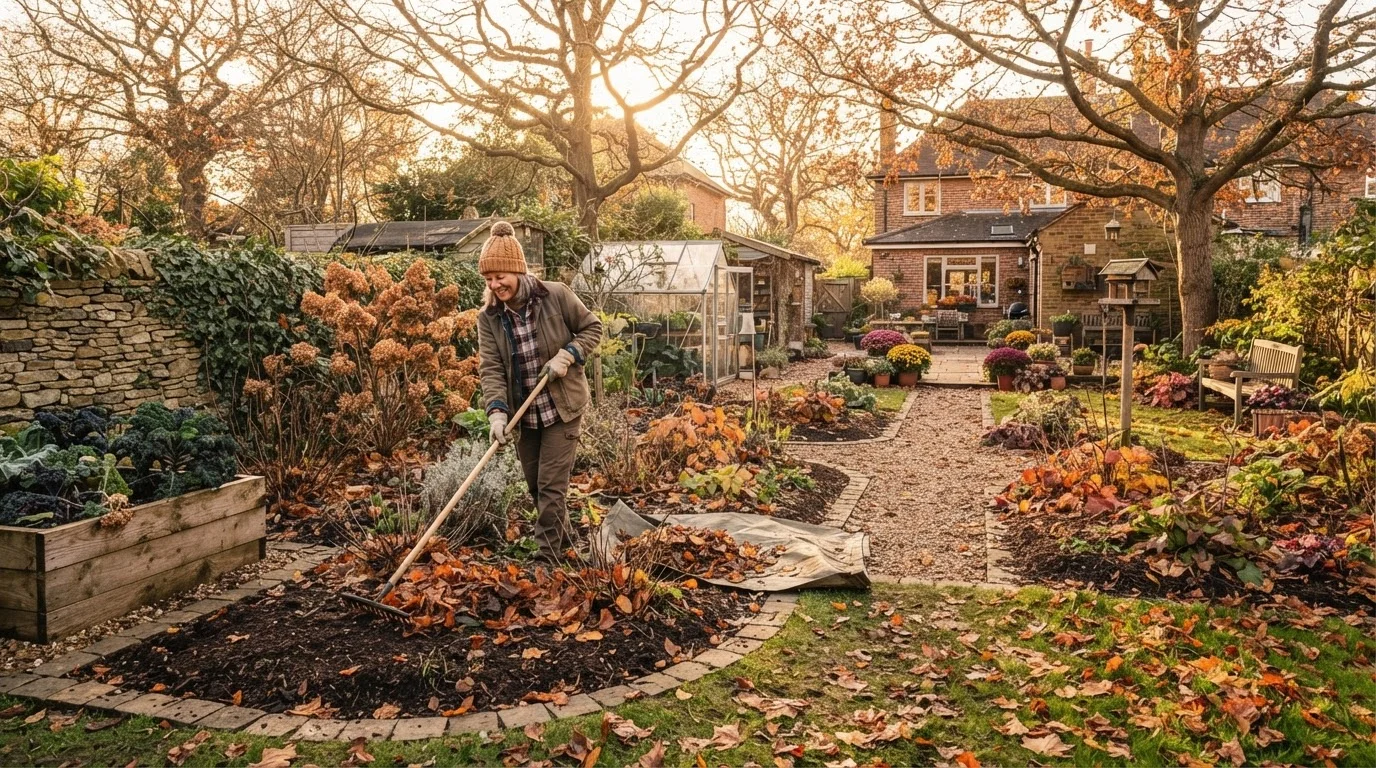
Photo credit: FaqInsider.com
In this article
Use this step-by-step fall checklist to prep your lawn, beds, and borders before winter — and set your garden up for a strong spring start.
Key Takeaways
- Removing diseased plant material in fall prevents pathogens from overwintering in your soil.
- Mulching beds after the ground cools protects roots and suppresses early spring weeds.
- Fall is the best window to aerate, overseed cool-season lawns, and apply a final fertilizer.
- Dividing and storing tender bulbs now saves them from winter kill.
- A systematic cleanup now dramatically reduces pest and disease pressure next season.
Why Fall Cleanup Matters More Than Spring Cleanup
Most gardeners associate cleanup with spring, but the work done in fall is actually the more consequential of the two. Fallen leaves left matted on grass can smother turf over winter. Spent annuals and diseased perennial stems left standing become overwintering sites for fungal spores, pest eggs, and harmful bacteria. Weeds that set seed in October will produce thousands of seedlings in April.
Think of fall cleanup as proactive rather than reactive gardening. Every hour you spend now reduces weeding, spraying, and replanting hours next year. This checklist walks you through the full scope of fall garden tasks - organized by area so you can work efficiently across your yard. For a broader view of seasonal timing, see our year-round lawn maintenance calendar.
Don't Cut Back Too Early
Pruning perennials before a killing frost can stimulate new tender growth that cold temperatures will kill, stressing the plant heading into dormancy. Wait until foliage has been blackened by frost before cutting back herbaceous perennials. Woody shrubs generally should not be pruned heavily in fall - save major shaping for late winter or early spring, depending on the species.
Tools and Supplies You'll Need
Gather the following before you start so you're not making multiple trips mid-task. Having the right tools on hand keeps momentum going and helps you do each job properly.
Garden rake
Clearing fallen leaves from turf and pulling plant debris from bed surfaces without disturbing soil.
Pruning shears or loppers
Cutting back perennial stems and removing spent shrub growth cleanly at the correct height.
Garden fork or spade
Digging up tender bulbs and loosening soil for planting spring-blooming hardy bulbs.
Core aerator (rented)
Removing small plugs of compacted soil to improve lawn drainage and root penetration before winter.
Mulch (bark, shredded leaves, or straw)
Insulating bed soil over winter and suppressing weed germination when soil temperatures drop in spring.
Compost bin or pile space
Processing healthy plant debris into finished compost for use as a soil amendment next season.
Heavy-duty yard bags
Collecting and disposing of diseased plant material, invasive weeds, and non-compostable debris.
Your Complete Fall Garden Cleanup Checklist
Work through these groups in order - starting with beds and borders, then moving to the lawn, and finishing with bulbs and infrastructure. Check off each item as you go.
Beds and Borders
Lawn Care
Bulbs and Tender Plants
Infrastructure and Tools
Diseased Plant Material Must Be Removed, Not Composted
Home compost piles rarely reach temperatures high enough to kill fungal spores, bacterial pathogens, or pest eggs reliably. If any plant material shows visible disease - spots, mold, cankers, or rot - bag it for yard waste collection or municipal disposal rather than adding it to your compost pile. Composting diseased material is one of the most common ways gardeners reintroduce problems to their beds each spring.
Putting Your Yard Waste to Work
Not everything that comes out of the garden needs to go to the curb. Healthy plant debris - disease-free stems, spent vegetable plants, fallen leaves - can be converted into finished compost that feeds your garden for free. Avoid composting anything that shows signs of disease or heavy pest damage; those materials are better bagged and removed.
A basic compost pile requires a balance of brown carbon-rich materials (fallen leaves, cardboard) and green nitrogen-rich materials (fresh clippings, vegetable scraps). Learn how to set one up properly with our guide on composting at home. Even a modest pile started in fall will be producing usable compost by late spring.
If composting isn't an option, many municipalities offer leaf and yard-waste collection programs - check with your local waste management provider for pickup schedules and accepted materials.
Once the outdoor work is done, don't forget the rest of your home's fall prep. Tasks like insulating exposed pipes and sealing drafts are equally time-sensitive. Our home winterization guide covers those steps in detail.

Author
Home & Garden Editorial Team
Home & Garden Editorial Team is the collective byline for our editorial team and contributor network. Articles published under this byline or an editorial pen name are researched, written, and reviewed according to our editorial standards for clarity, consistency, and independence before publication.
View all articles →