
Mulch Myths That Could Be Hurting Your Garden
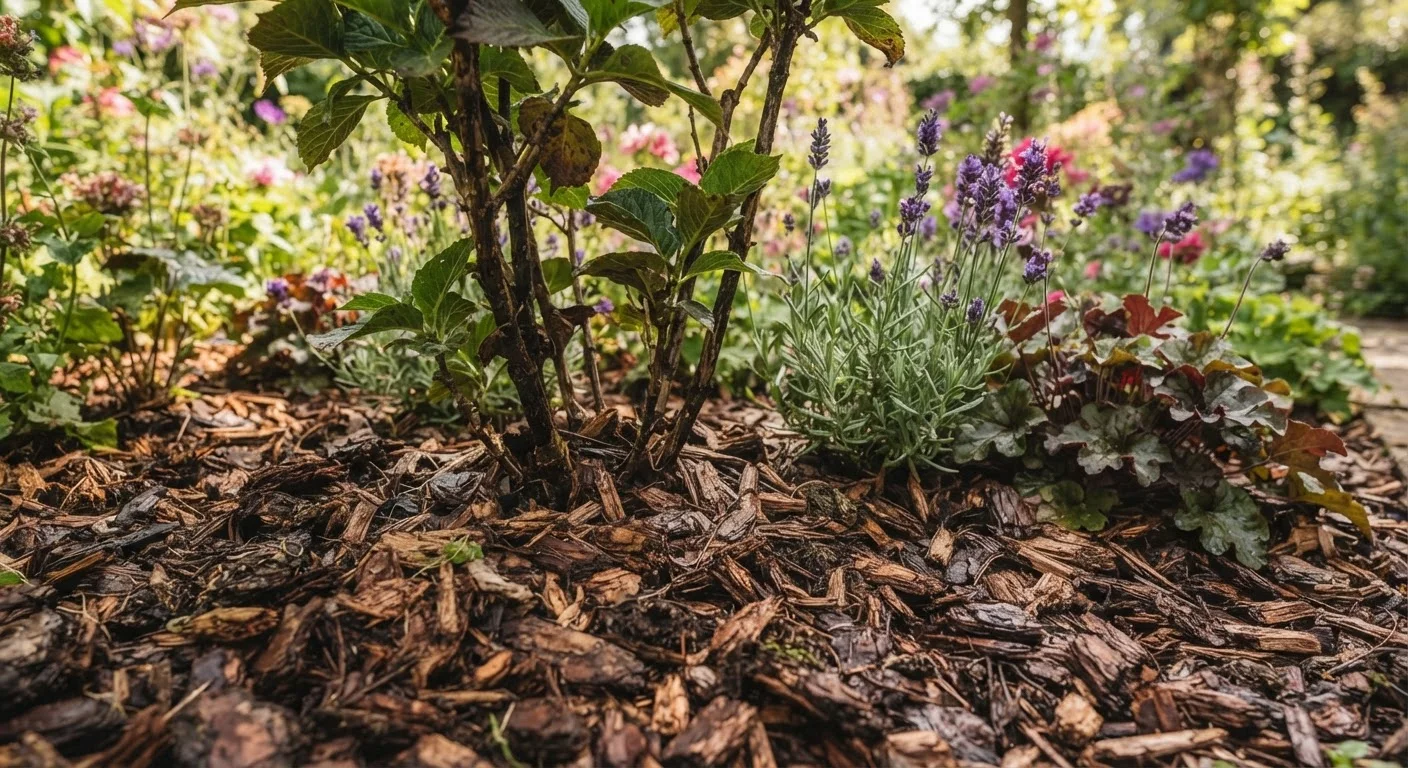
Photo credit: FaqInsider.com
In this article
From volcano mulching to plastic sheeting, several popular mulching habits can quietly damage plants. Here's what the evidence actually shows.
Key Takeaways
- Piling mulch against tree trunks - 'volcano mulching' - causes rot and invites pests rather than protecting plants.
- More mulch is not always better; a 2-4 inch layer is the evidence-backed sweet spot for most garden beds.
- Plastic sheeting under mulch blocks water and oxygen from reaching roots, harming soil health over time.
- Fresh wood chip mulch does not rob nitrogen from plants growing above ground - decomposition affects only the soil surface layer.
- Mulch does suppress weeds, but it is not a total barrier; some persistent weeds will still push through.
Why Mulching Myths Persist
Mulch is one of the most widely recommended tools in home gardening - and one of the most misunderstood. Because the benefits of mulching are real (moisture retention, temperature regulation, weed suppression, soil improvement), it is easy to assume that any mulching approach is a good one. That assumption is where gardeners run into trouble.
Several common mulching habits - passed along by neighbors, garden centers, and well-meaning YouTube tutorials - can quietly undermine plant health, compact soil, and even kill established trees. The good news is that the corrections are straightforward once you know what the evidence actually shows. For a broader look at how popular gardening habits can backfire, see our lawn watering myth guide.
Myth
Piling mulch high against a tree trunk protects it and helps it grow stronger.
Fact
Volcano mulching traps moisture against bark, promotes rot, and creates habitat for pests - the opposite of protection.
The term volcano mulching describes the cone-shaped mound of mulch piled directly against a trunk, sometimes reaching 12 inches or more. University extension programs across the country consistently flag this as one of the most damaging things you can do to a tree. Constant moisture against bark encourages fungal disease, girdling roots, and insect infestations. Keep mulch pulled back 2-6 inches from trunks and crowns, and spread it in a flat, even layer out to the drip line instead.
Myth
The more mulch you apply, the better protected your plants will be.
Fact
Layers thicker than 4 inches can suffocate roots by blocking oxygen and trapping excess moisture.
Soil needs to breathe. A mulch layer that is too deep creates a physical barrier that reduces gas exchange between the soil and the atmosphere, and it can prevent rain from penetrating to the root zone at all. Most cooperative extension guidelines recommend a 2-4 inch depth for the majority of garden beds and trees. If last year's mulch is still intact, rake it and check its depth before adding more - topping off often means you're exceeding that range without realizing it.
Myth
Laying plastic sheeting under mulch is the best way to stop weeds permanently.
Fact
Impermeable plastic degrades soil health over time by blocking water, air, and beneficial organisms.
Solid plastic sheeting does suppress weeds in the short term, but it creates serious long-term problems. It prevents rainfall from reaching roots, cuts off oxygen to soil microbes, and as it breaks down it fragments into pieces that are difficult to remove and disruptive to soil structure. If you want a physical weed barrier beneath mulch, water-permeable landscape fabric is a more defensible option - though many horticulturalists note that a sufficiently deep layer of organic mulch provides comparable weed suppression on its own. See our companion article on overwatering and root health for more on how drainage affects plants.
Myth
Fresh wood chip mulch steals nitrogen from your plants as it decomposes.
Fact
Nitrogen drawdown from decomposing wood chips occurs at the soil surface, not in the root zone where plants feed.
The concern about nitrogen immobilization is grounded in real chemistry - microbes breaking down high-carbon wood do temporarily tie up nitrogen. However, this happens in the narrow zone where mulch meets soil, not deeper in the root zone where established plants absorb nutrients. Research from Washington State University and other institutions has found that plants growing in wood-chip mulched beds do not show nitrogen deficiency. If you're planting directly into a bed where mulch is being incorporated into soil (not just laid on top), a light nitrogen amendment can help during establishment.
Myth
Mulch will completely eliminate weeds so you'll never have to pull them again.
Fact
Mulch significantly reduces weed germination but does not create an impenetrable barrier - persistent weeds still emerge.
A proper mulch layer reduces weed pressure substantially by blocking light and making it harder for seeds to contact soil. However, wind-blown weed seeds that land on top of mulch can still germinate in the mulch itself, and vigorous perennial weeds with established root systems often push through regardless of depth. Think of mulch as a major reduction in weeding labor - not an elimination of it. Combining good mulch practice with prompt removal of any weeds that do emerge before they set seed will keep beds manageable over time.
Applying These Facts in Your Yard
Correcting mulching habits doesn't require starting over. Pull volcano mulch away from trunks and crowns so that the root flare - the point where the trunk widens at ground level - is clearly visible. Rake existing mulch that has compacted into a thick crust and fluff it to restore airflow. If you've used plastic sheeting, consider replacing it with landscape fabric rated for water permeability, or skip the barrier entirely and rely on a proper organic mulch depth instead.
Don't Ignore Existing Mulch Buildup
Many gardeners add fresh mulch each spring without checking what's already there. Over several seasons, layers can accumulate well beyond the recommended depth, creating a dense mat that sheds water like a roof rather than absorbing it. Before adding new mulch, probe the existing layer with a pencil or your finger to gauge actual depth. Remove or redistribute excess material before topping off.
When choosing mulch material, organic options like shredded hardwood, pine bark, or wood chips break down over time and actively improve soil structure and biology. That decomposition is a feature, not a flaw. If you're weighing mulch against living ground covers for weed control, our mulch vs. ground cover comparison walks through the trade-offs in detail.
The goal of mulching is to mimic what happens naturally on a healthy forest floor - a loose, moist, biologically active layer that protects roots and feeds soil organisms. Keeping that picture in mind will steer you away from the most common mistakes and toward practices that genuinely support your garden long-term.
2-4 in.
Recommended mulch depth for most garden beds
Cooperative extension programs from multiple land-grant universities converge on this range as optimal for moisture retention without suffocating roots.
50-70%
Reduction in soil moisture loss with proper mulching
Studies in horticultural science consistently show that a maintained organic mulch layer can cut evaporative water loss from soil by roughly half or more.

Author
Home & Garden Editorial Team
Home & Garden Editorial Team is the collective byline for our editorial team and contributor network. Articles published under this byline or an editorial pen name are researched, written, and reviewed according to our editorial standards for clarity, consistency, and independence before publication.
View all articles →