
Starting a Vegetable Garden From the Ground Up
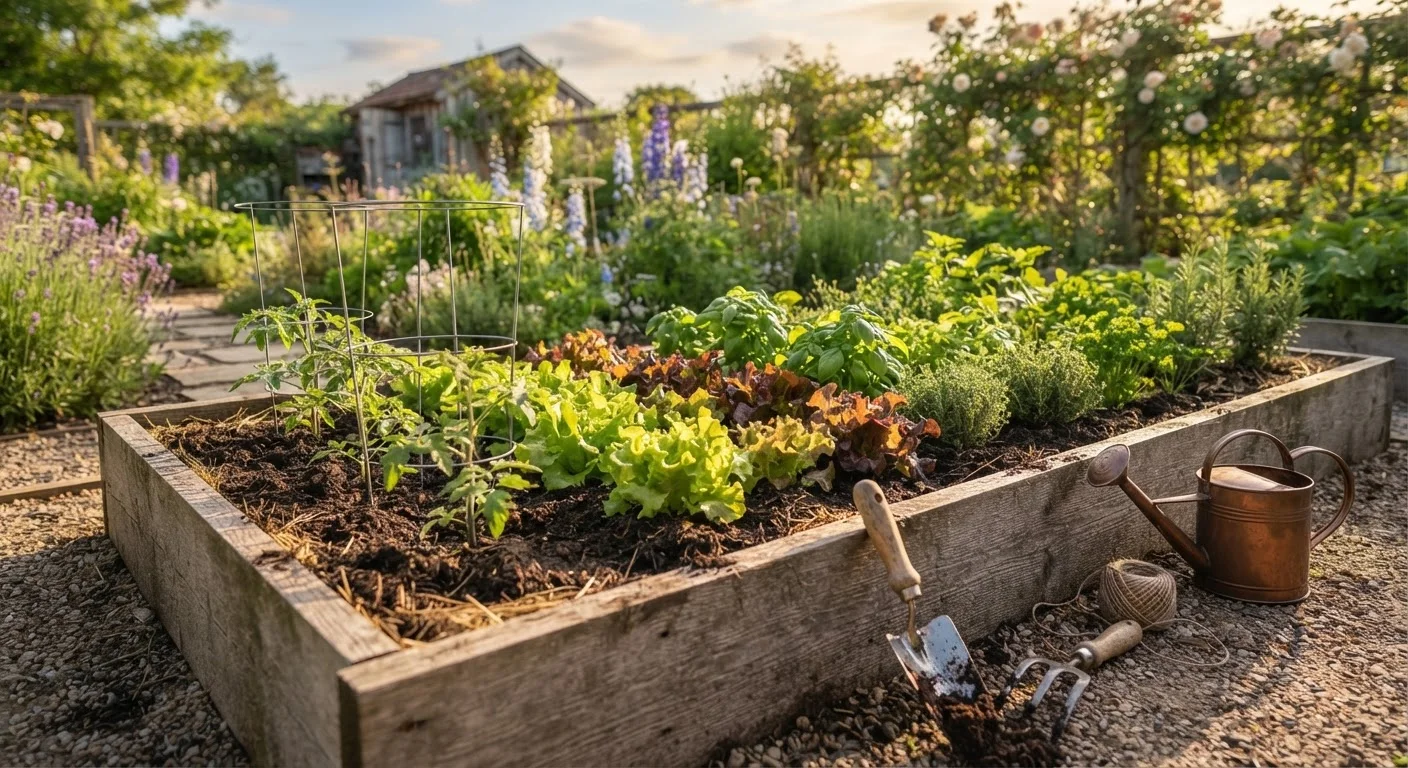
Photo credit: FaqInsider.com
In this article
A complete beginner's introduction to planning, preparing, and planting your first vegetable garden with confidence.
Key Takeaways
- Six or more hours of direct sunlight daily is the single most important site requirement for most vegetables.
- Healthy, well-draining soil rich in organic matter is the foundation of a productive garden.
- Starting small - even a 4×8-foot bed - helps beginners build skills without becoming overwhelmed.
- Consistent watering at the root level, not the leaves, reduces disease and improves yields.
- Easy-to-grow crops like lettuce, zucchini, and beans build early confidence and momentum.
Choosing the Right Spot
Before you turn a single shovelful of soil, spend a few days watching how sunlight moves across your yard. Most vegetables - especially fruiting ones like tomatoes, peppers, and squash - need a minimum of six hours of direct sunlight per day. Eight hours is even better. Planting in too much shade is one of the most common reasons first gardens underperform.
Beyond sun, consider proximity to water. Hauling a heavy hose across the yard every day is a friction point that quietly discourages consistent care. Situating your garden within easy reach of an outdoor spigot makes watering a non-event rather than a chore.
Also evaluate drainage. Avoid low-lying areas where water pools after rain - most vegetables are highly sensitive to soggy roots. If drainage is genuinely poor across your yard, a raised bed (built up six to twelve inches above grade) effectively sidesteps the problem entirely.
No Ground Space? Containers Are a Viable Option
If your yard is small or conditions are difficult, you're not without options. Container gardening on patios, balconies, and small spaces is a fully capable alternative that lets you control soil quality from the start and grow almost anywhere there's adequate light.
Understanding Your Soil
Soil is where the real work happens. Healthy vegetable garden soil is loose, drains well, holds adequate moisture, and is rich in organic matter. A handful of good garden soil should clump loosely when squeezed and break apart easily - not stay compact like clay or fall apart immediately like sand.
If you're not sure what you're working with, an inexpensive soil test kit can reveal pH and key nutrient levels. Most vegetables prefer a pH between 6.0 and 7.0. Amendments like compost, aged manure, or balanced granular fertilizers can correct deficiencies, but the specific mix should follow what your soil actually needs - not a generic formula.
pH
A measure of how acidic or alkaline your soil is, on a scale from 0 to 14. Most vegetables grow best in a slightly acidic to neutral range of 6.0-7.0.
Compost
Decomposed organic matter - kitchen scraps, leaves, grass clippings - that enriches soil structure and feeds beneficial soil microorganisms.
Direct sow
Planting seeds directly into the garden bed rather than starting them indoors in pots first. Best for crops that dislike being transplanted.
Transplant
A young plant started in a container - at home or by a nursery - and then moved into the garden once it's established. Common for tomatoes, peppers, and herbs.
Cool-season crops
Vegetables that grow best in cooler temperatures (40-70°F), typically planted in spring or fall. Examples include lettuce, spinach, broccoli, and peas.
Raised bed
A contained garden structure filled with amended soil and built above existing ground level. Useful for improving drainage, managing soil quality, and reducing back strain.
Regardless of your native soil type, incorporating two to four inches of finished compost into the top six to eight inches before planting is widely regarded as one of the best investments a new gardener can make. It improves drainage in clay soils, adds water retention to sandy ones, and feeds soil biology in both.
Planning What to Grow
The most sustainable approach to a first garden is planting less than you think you can manage. A 4×8-foot raised bed or a modest 50-square-foot in-ground plot gives you enough space to experiment without overwhelming your schedule. You can always expand in future seasons once you understand how your particular growing conditions behave.
Choose vegetables your household actually eats. Lettuce, green beans, zucchini, cherry tomatoes, and herbs like basil or parsley are all forgiving, productive choices for beginners. Avoid starting with vegetables that require more technical care - like melons, corn (which needs large blocks for pollination), or artichokes - until you've built a season or two of experience.
Think also about timing. Cool-season crops like lettuce, spinach, and radishes thrive in spring and fall. Warm-season crops like tomatoes and cucumbers need to go in after your last frost date. Pairing plants thoughtfully can also boost productivity; see companion planting combinations that actually work for proven pairings that support healthy growth.
Planting and Ongoing Care
Seeds and transplants each have a place in the beginner's garden. Direct-sow fast-germinating crops like beans, carrots, radishes, and lettuce straight into the bed. For slow-starters like tomatoes and peppers, purchasing transplants from a nursery in spring is a reliable shortcut that gets you to harvest weeks sooner.
Water consistently at the base of plants rather than overhead. Wet foliage encourages fungal diseases, especially in humid climates. Drip irrigation or a simple soaker hose on a timer removes most of the guesswork and keeps water use efficient. Aim for about one inch of water per week, adjusting for heat and rainfall.
Weed regularly - even ten minutes a week during early-season growth keeps aggressive weeds from crowding out young vegetables. A two-inch layer of straw or wood chip mulch around plants suppresses weeds, conserves moisture, and moderates soil temperature all at once.
Finally, don't overlook what your harvest means beyond the garden itself. Fresh homegrown vegetables are an easy way to add variety and nutrition to everyday meals. For ideas on how to build those meals around your harvest, building a balanced plate with everyday eating offers a practical, approachable starting point.
Frequently Asked Questions

Author
Home & Garden Editorial Team
Home & Garden Editorial Team is the collective byline for our editorial team and contributor network. Articles published under this byline or an editorial pen name are researched, written, and reviewed according to our editorial standards for clarity, consistency, and independence before publication.
View all articles →