
Building a Pet First Aid Kit: What Belongs Inside and Why
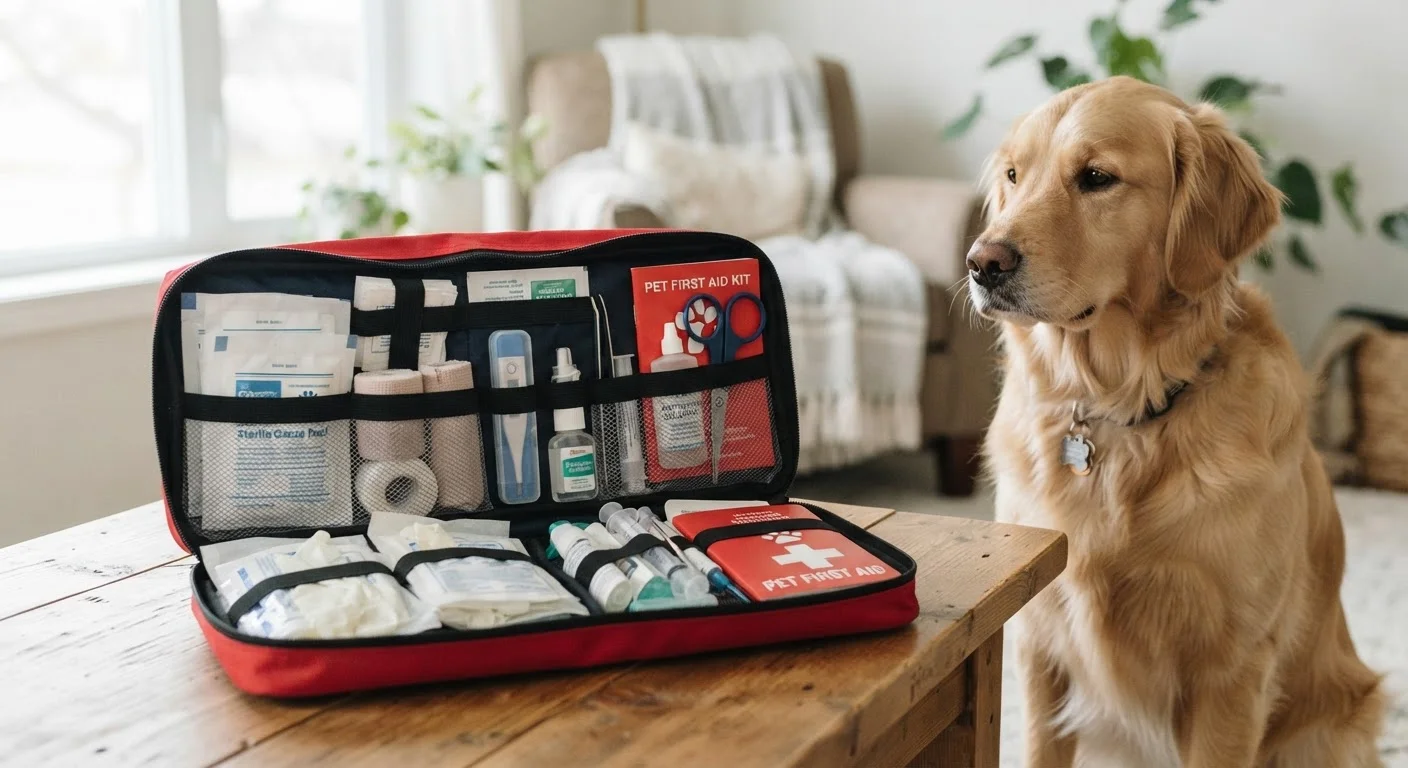
Photo credit: FaqInsider.com
A well-stocked pet first aid kit can help stabilize a situation before you reach the vet. Here's what to include and how each item gets used.
Key Takeaways
- A pet first aid kit stabilizes emergencies but never replaces prompt veterinary care.
- Most supplies are inexpensive and widely available at pharmacies or pet stores.
- Kits should be tailored to your pet's species, size, and known health conditions.
- Check and restock your kit every six months to ensure nothing is expired or missing.
- Knowing how to use each item is just as important as having it on hand.
Why Every Pet Owner Needs a First Aid Kit
Accidents don't wait for convenient moments. A dog can cut a paw on broken glass during an evening walk, or a cat can swallow something it shouldn't while you're home alone on a Sunday. In those first critical minutes before you can reach a veterinarian, having the right supplies - and knowing how to use them - can make a meaningful difference in your pet's outcome.
A pet first aid kit isn't a substitute for professional veterinary care. Think of it as a bridge: it helps you manage a situation, keep your pet calm and stable, and prevent a minor injury from becoming a serious one while you're on your way to the vet. If you're just getting started as a pet owner, this kit pairs well with the broader guidance in our health-focused first-month checklist for new pets.
Use the checklist below to build your kit from scratch or audit what you already have at home. Items are grouped by function so you can work through them systematically.
Airtight storage container or dedicated first aid bag
Keeps all supplies organized, dry, and accessible - a clear, labeled container makes it easy to find items quickly under stress.
Digital rectal thermometer
Measures your pet's body temperature accurately, which is a key data point for any veterinary consultation.
Tick removal tool
Designed to extract ticks cleanly without leaving the head embedded in the skin, reducing the risk of infection.
Soft muzzle (species- and size-appropriate)
Protects you from bites during handling when your pet is frightened or in pain.
Plastic oral syringe (no needle)
Allows controlled delivery of saline for wound flushing or liquid medications under veterinary direction.
What to Include - and Why Each Item Matters
The supplies in a pet first aid kit fall into a few clear categories: wound care, monitoring, restraint and safety, and reference materials. Each group serves a distinct purpose, and gaps in any one area can leave you unprepared when it counts most.
Wound Care Essentials
Monitoring and Assessment
Restraint and Safety
Tools and Instruments
Reference and Contact Information
Never Give Human Medications Without Vet Guidance
Many over-the-counter medications that are safe for humans are toxic to pets. Acetaminophen (Tylenol) is fatally toxic to cats, and ibuprofen can cause serious kidney and gastrointestinal damage in both dogs and cats. Do not administer any medication - human or veterinary - unless your veterinarian has explicitly instructed you to do so for your specific pet.
Once your kit is assembled, take a few minutes to review how each item is actually used. Reading the instructions on your digital thermometer or practicing how to wrap a bandage before you need it will help you stay calm under pressure. For a broader picture of keeping your pet healthy year-round, see our preventive care roadmap.
This article is for general informational purposes only and is not a substitute for professional veterinary advice. Always contact your veterinarian or an emergency animal clinic immediately in the event of a serious injury or health concern.

Author
Pets & Animals Editorial Team
Pets & Animals Editorial Team is the collective byline for our editorial team and contributor network. Articles published under this byline or an editorial pen name are researched, written, and reviewed according to our editorial standards for clarity, consistency, and independence before publication.
View all articles →