

Pets & Animals Editorial Team
Pets & Animals Editorial Team is the collective byline for our editorial team and contributor network. Articles published under this byline or an editorial pen name are researched, written, and reviewed according to our editorial standards for clarity, consistency, and independence before publication.
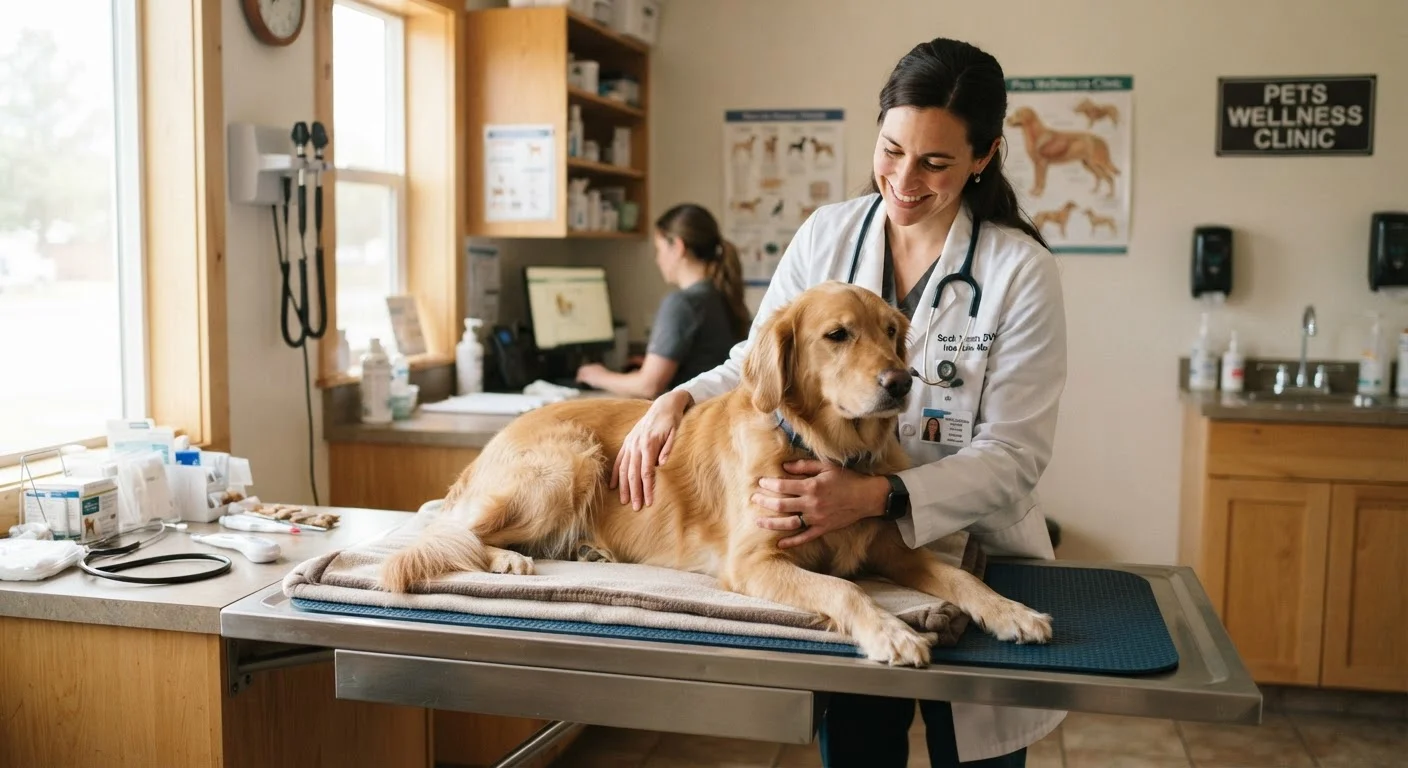
Annual Vet Visits: What Actually Happens and Why They Matter
Routine checkups aren't just for sick pets. Here's a plain-language breakdown of what vets look for during a standard we…

At-Home Grooming Routines That Work for Dogs and Cats
Regular brushing, nail trims, and ear checks don't require a salon visit. Learn the basics of building a grooming routin…

Before a Vet Visit: What to Prepare and Bring
A practical checklist covering what to observe, document, and bring so you and your vet can make the most of every appoi…

Building a Daily Routine That Works for Both You and Your Pet
Consistent routines reduce stress and behavioral issues in pets. Here's how to structure feeding, activity, and rest in …

Building a Pet First Aid Kit: What Belongs Inside and Why
A well-stocked pet first aid kit can help stabilize a situation before you reach the vet. Here's what to include and how…
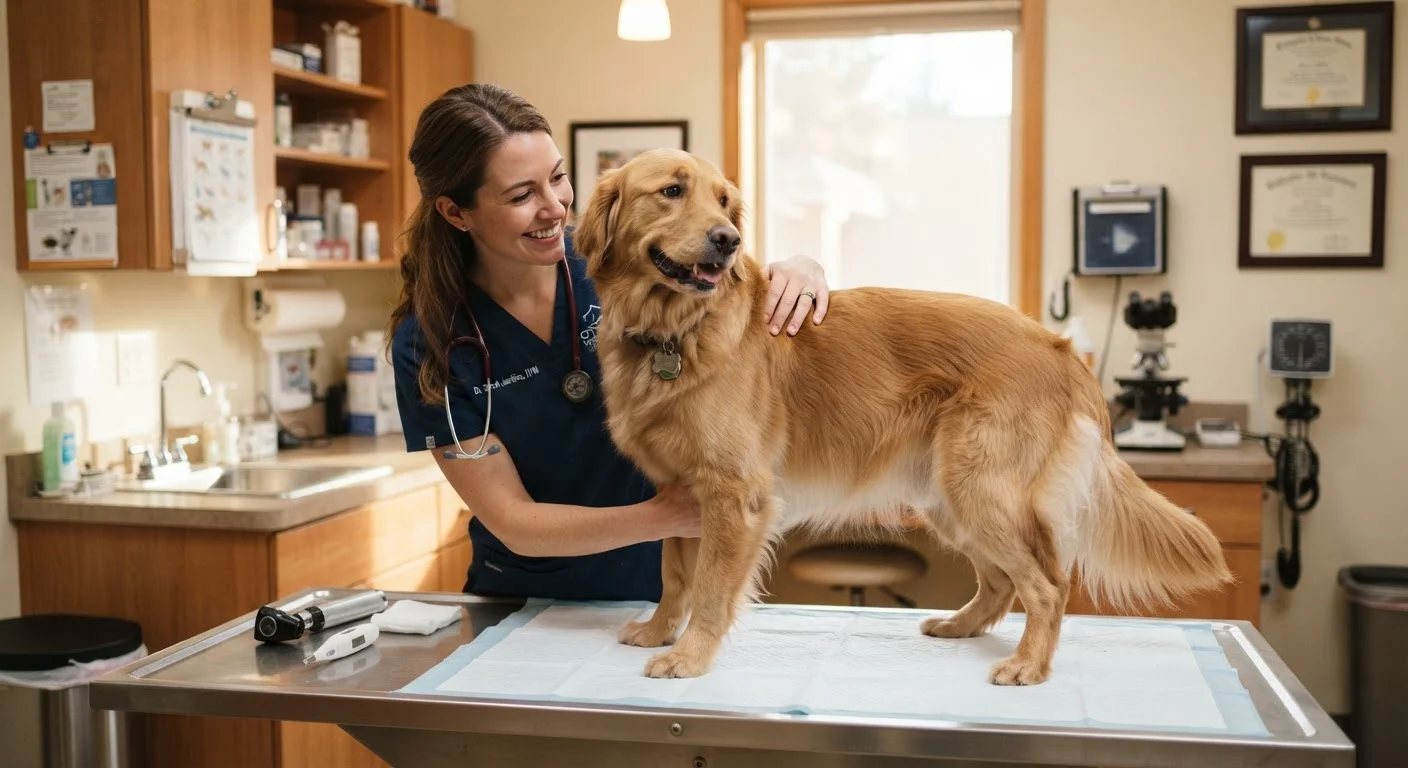
Common Pet Health Myths That Vets Wish Would Go Away
From 'a dry nose means illness' to 'indoor pets don't need parasite prevention,' we fact-check widely held pet care beli…
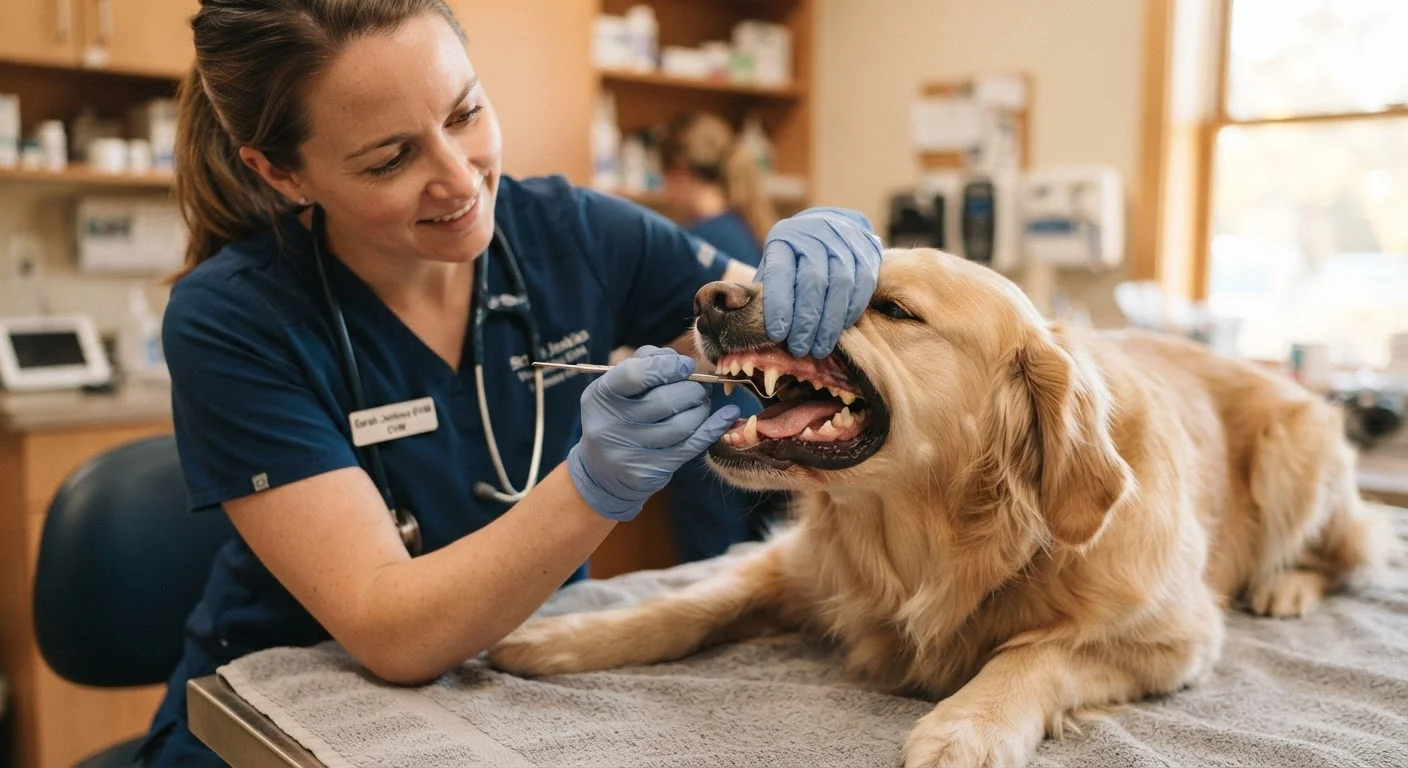
Dental Health in Dogs and Cats: What Goes Wrong Without Regular Care
Poor dental hygiene is linked to serious systemic health issues in pets. Learn what plaque buildup leads to and how owne…

Exercise Needs Across Common Pet Types: A Practical Overview
From high-energy dogs to low-key cats and small mammals, activity requirements vary widely. This reference covers genera…

Grooming at Home Without Stressing Out Your Pet
Nail trims, brushing, and ear cleaning don't have to be a battle. A step-by-step approach to building calm grooming habi…

Indoor vs. Outdoor Lifestyles for Cats: Understanding the Real Trade-Offs
The debate over indoor and outdoor cats involves safety, enrichment, and health. Here's a balanced look at what the evid…

Indoor vs. Outdoor Pets: Weighing the Real Risks and Benefits
Keeping a pet indoors or allowing outdoor access involves genuine trade-offs. Here's a balanced look at safety, enrichme…

Mental Enrichment for Pets: Why Boredom Is a Health Issue
Destructive behavior, excessive vocalizing, and lethargy can all stem from understimulation. Here's what enrichment actu…
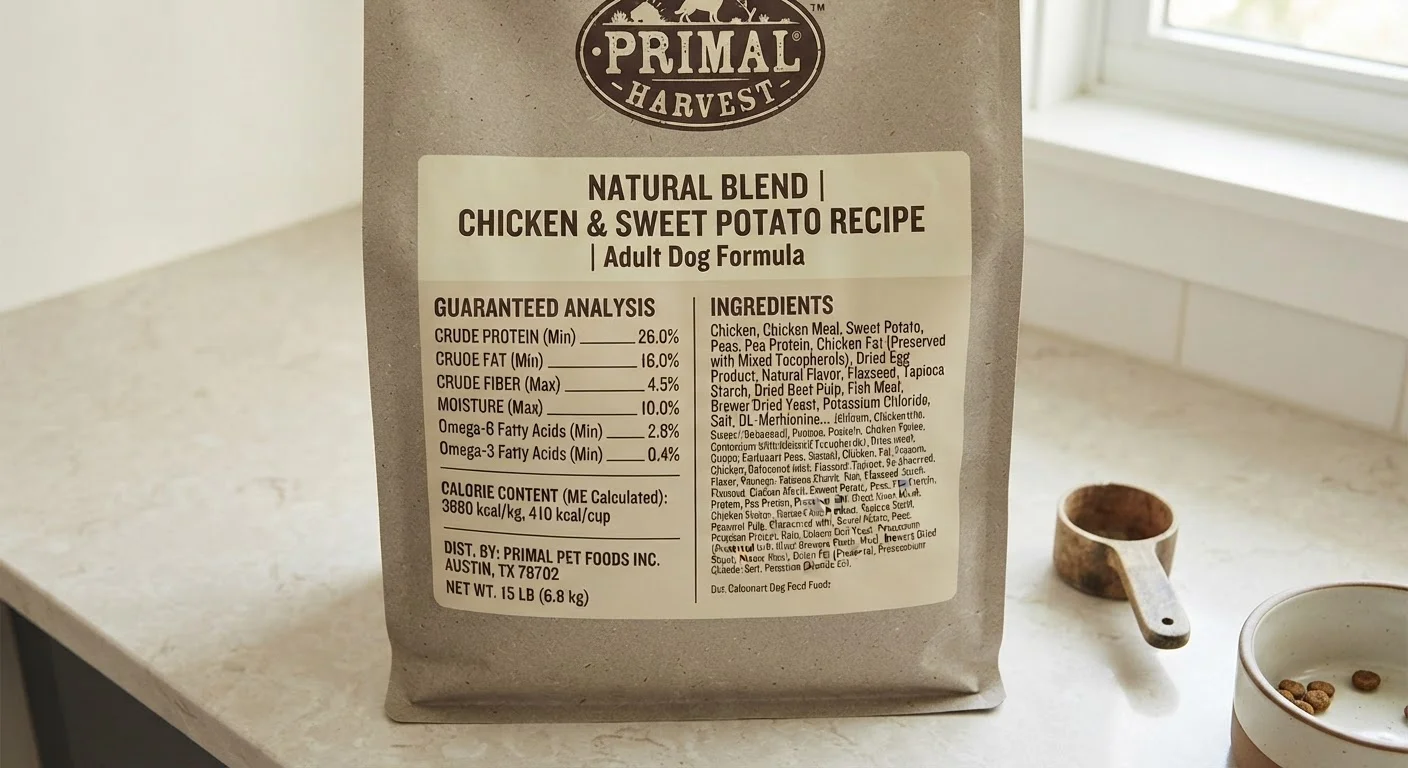
Pet Nutrition Labels Decoded
Ingredient lists, guaranteed analysis, AAFCO statements — a quick reference guide to understanding exactly what pet food…

Preventive Care from Puppyhood to Senior Years: A Lifelong Overview
Your pet's health needs shift significantly with age. This comprehensive guide maps out the key preventive care mileston…
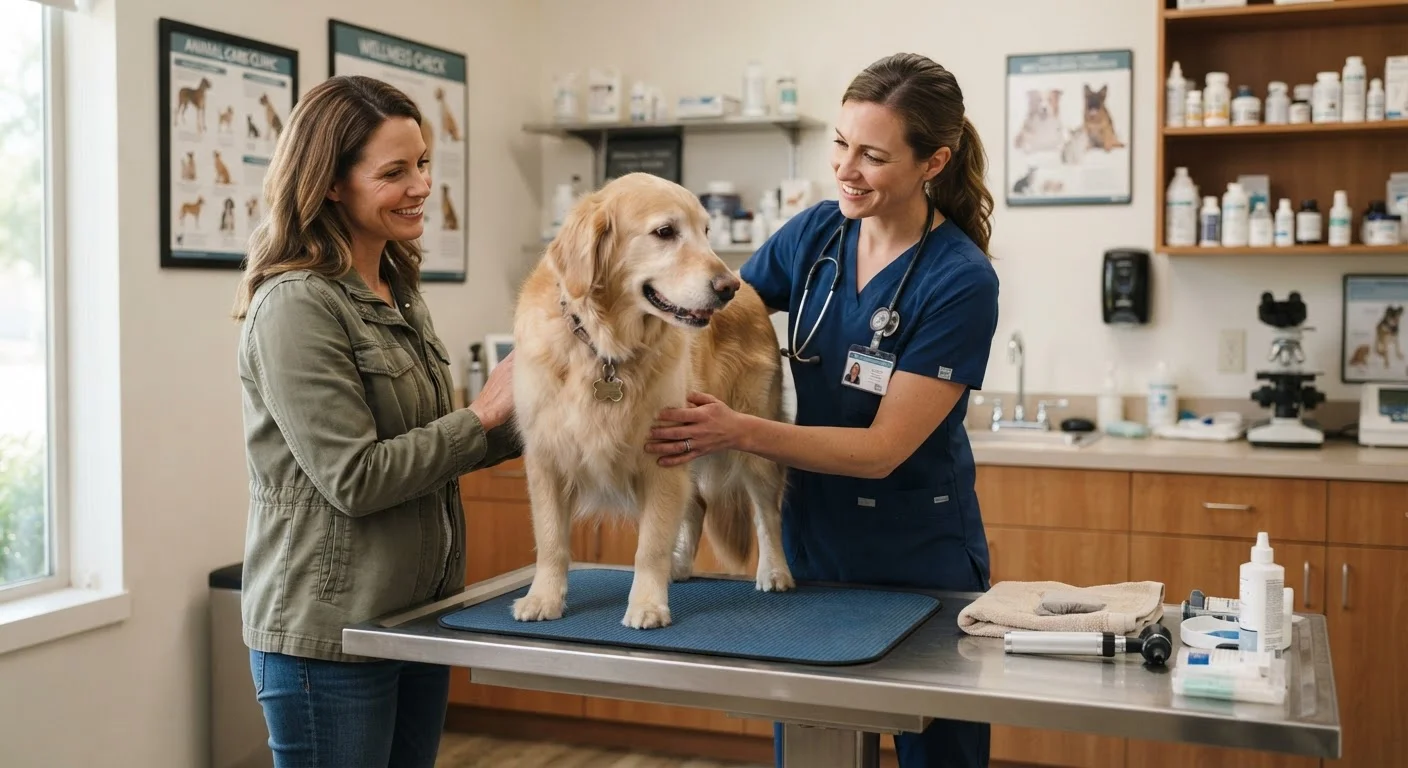
Preventive Vet Care: What Routine Visits Actually Cover
Annual wellness exams are more than a quick weigh-in. Here's what vets check during routine visits and why these appoint…

Reading Your Pet's Body Language: What Their Signals Actually Mean
Tail wags, flattened ears, slow blinks — learn how to decode common pet body language cues and respond to what your anim…

Reading a Pet Food Label Without Getting Lost in the Fine Print
Ingredient lists, guaranteed analysis, and AAFCO statements can be confusing. This plain-language guide helps you unders…

Signs Your Pet May Be in Pain - and What to Do
Animals rarely cry out when hurting. Learn the subtle behavioral and physical signs that often indicate discomfort, and …

Signs Your Pet May Be in Pain and Why They're Easy to Miss
Animals often hide discomfort. Learn the subtle behavioral and physical cues that indicate a pet may need veterinary att…

Socialization Windows in Puppies and Kittens: Why Timing Shapes Behavior
Early exposure to people, sounds, and environments has a lasting effect on pet temperament. Here's what happens during t…
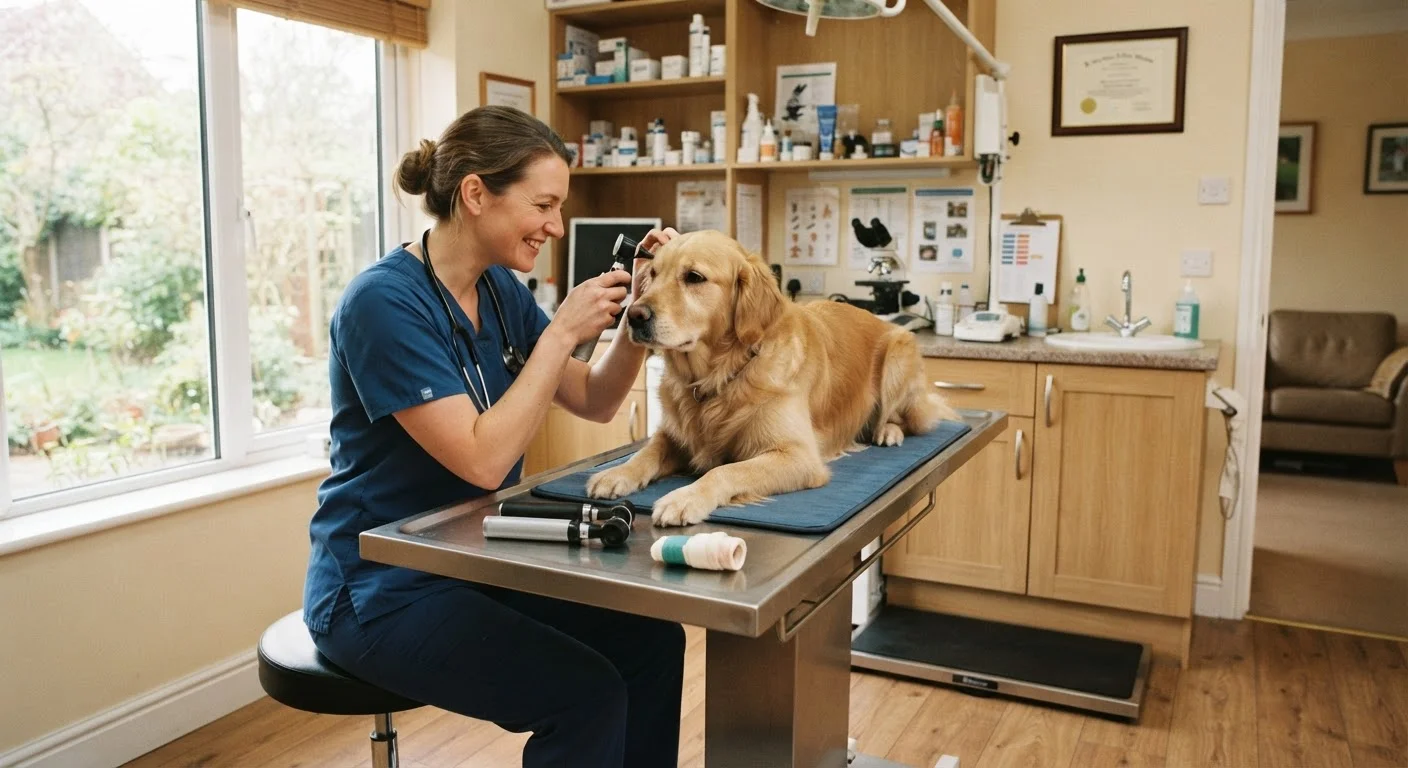
Spaying and Neutering: What the Research Actually Shows
The decision to spay or neuter involves medical, behavioral, and timing considerations. Here's an evidence-grounded look…

The First 30 Days With a New Pet: What to Expect and How to Prepare
Bringing a pet home changes everything. Here's what the adjustment period really looks like and how to set your househol…
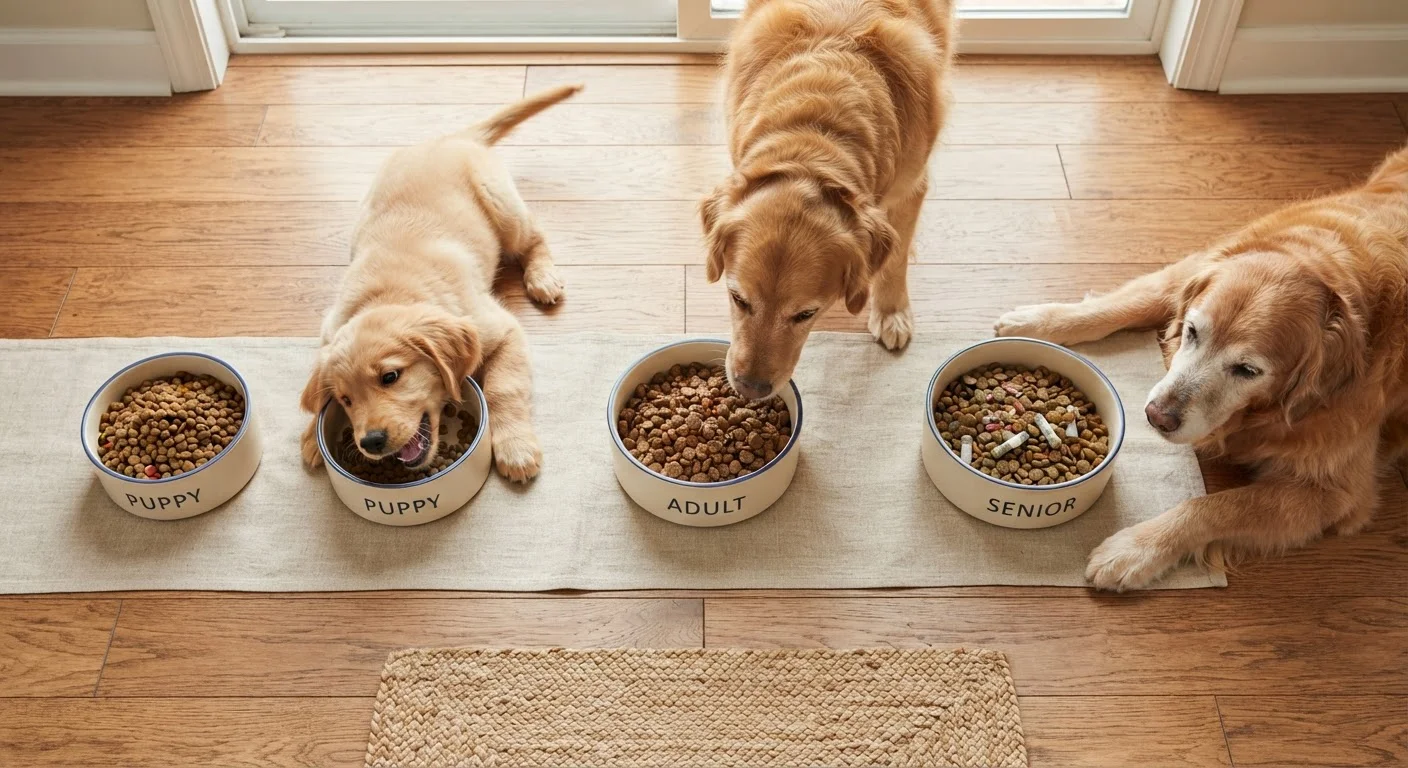
The Logic Behind Life-Stage Pet Nutrition
Puppies, adults, and senior pets have genuinely different nutritional needs. This explainer covers what changes across l…

The Truth Behind Common Pet Health Myths
Dogs eat grass when sick, cats always land safely, a warm nose means fever — separating pet health myths from what the e…

Things Pet Owners Commonly Get Wrong About Portion Sizes
Overfeeding is one of the most widespread pet health issues in the U.S. Find out why portion guidance often gets misread…

Things Pet Owners Get Wrong About Feeding Schedules
Free-feeding, overfeeding, and skipping meals all carry real consequences. Find out which feeding habits quietly undermi…
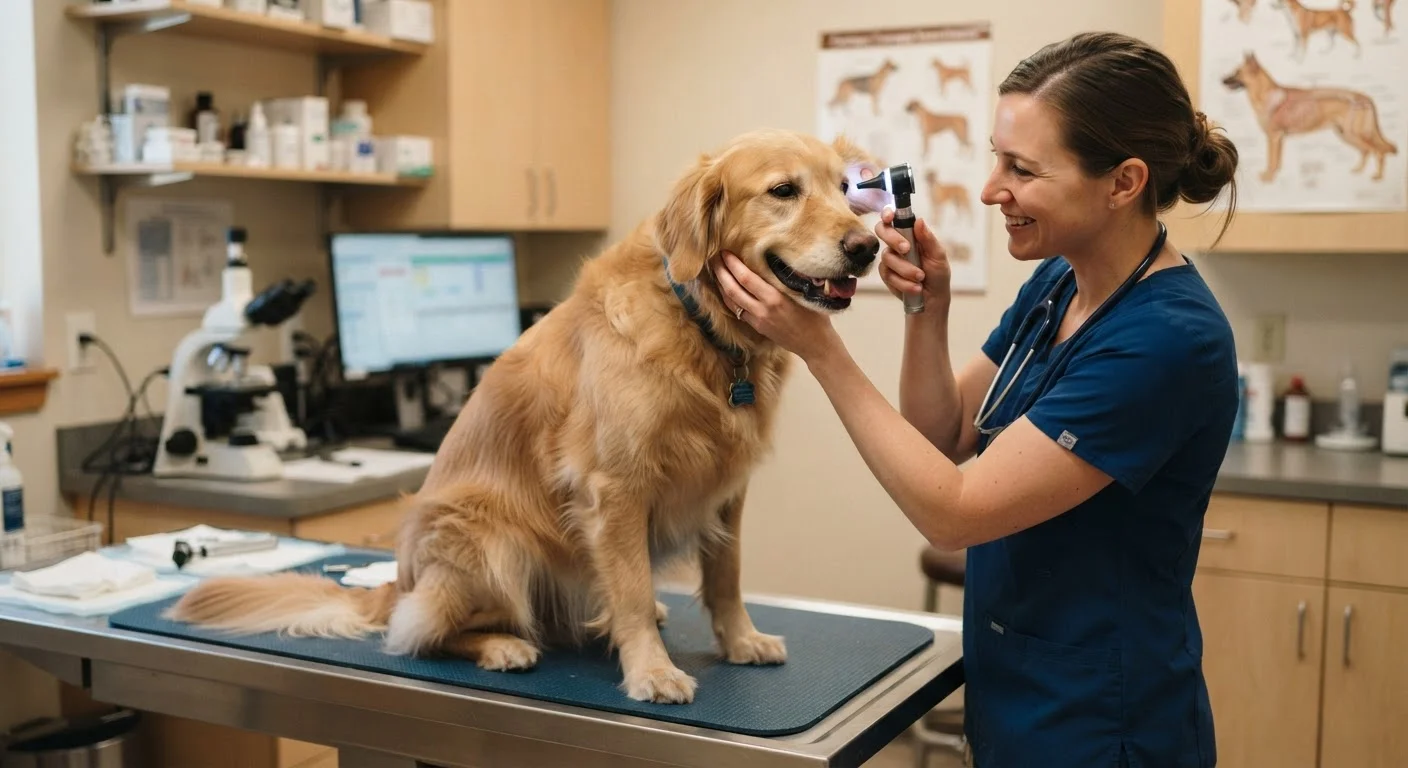
Ways to Keep Vet Costs Manageable Without Cutting Corners on Care
Preventive habits, transparent conversations with your vet, and understanding your options can all help keep pet care fi…
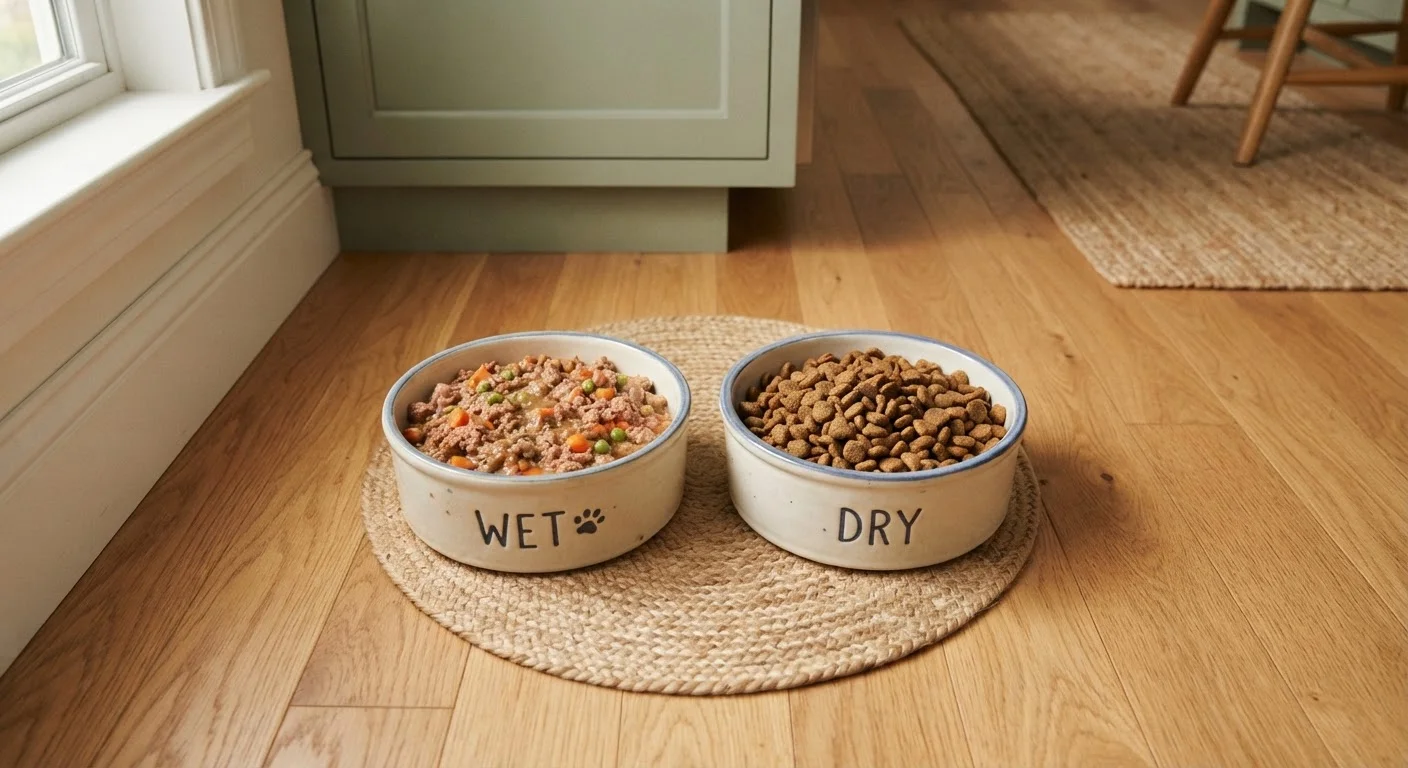
Wet Food vs. Dry Food: How Pet Owners Can Think Through the Choice
Canned or kibble? Explore the nutritional trade-offs, dental considerations, and lifestyle factors that shape the right …
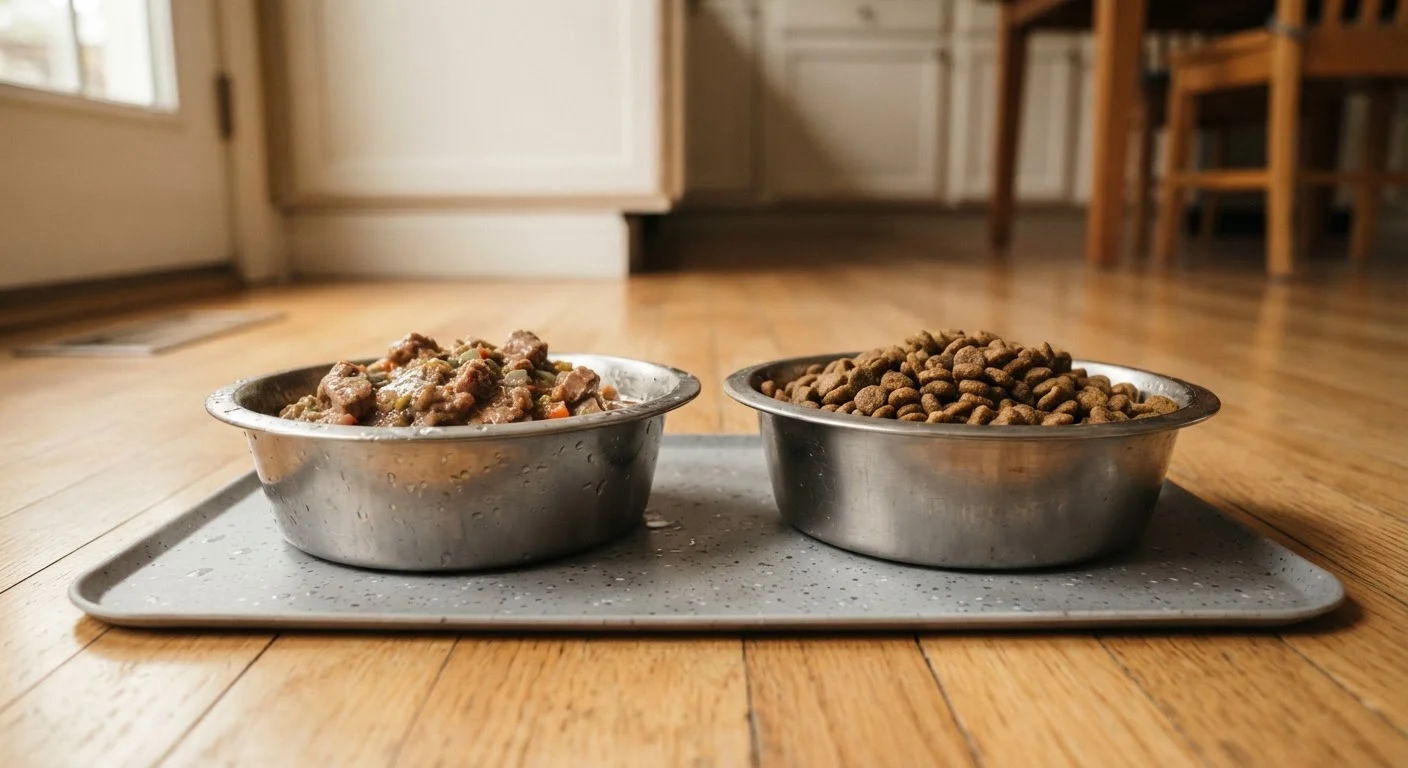
Wet Food vs. Dry Food: How to Think About Your Pet's Diet
Wet and dry pet foods each have real trade-offs. Understand the nutritional, dental, and convenience differences before …

What 'Hypoallergenic Pet' Actually Means-and What It Doesn't
No pet is truly allergen-free. Understand what the term actually refers to, how pet allergens work, and what allergy-pro…

Why Your Pet's Drinking Habits Are Worth Paying Attention To
Sudden changes in how much your pet drinks can signal underlying health issues. Learn what's considered normal and when …

Your First Pet: What to Expect in the Early Weeks at Home
Bringing a new pet home is exciting and overwhelming. Here's what the first few weeks actually look like and how to set …

A First-Time Pet Owner's Roadmap to Preventive Care
Vaccines, parasite prevention, dental care, and wellness exams—here's what preventive pet care involves and why each pie…

Annual Vet Visits vs. As-Needed Care: What Keeps Pets Healthier?
Should you stick to a yearly checkup schedule or only visit when something seems wrong? We break down the tradeoffs for …

Bringing a New Pet Home: A Health-Focused First-Month Checklist
From the first vet visit to establishing routines, this checklist covers the essential health steps for new pet owners.…

Cat Grooming vs. Over-Grooming: Where Normal Ends and Stress Begins
Cats are meticulous self-groomers, but bald patches and raw skin tell a different story. Learn to spot the difference.…
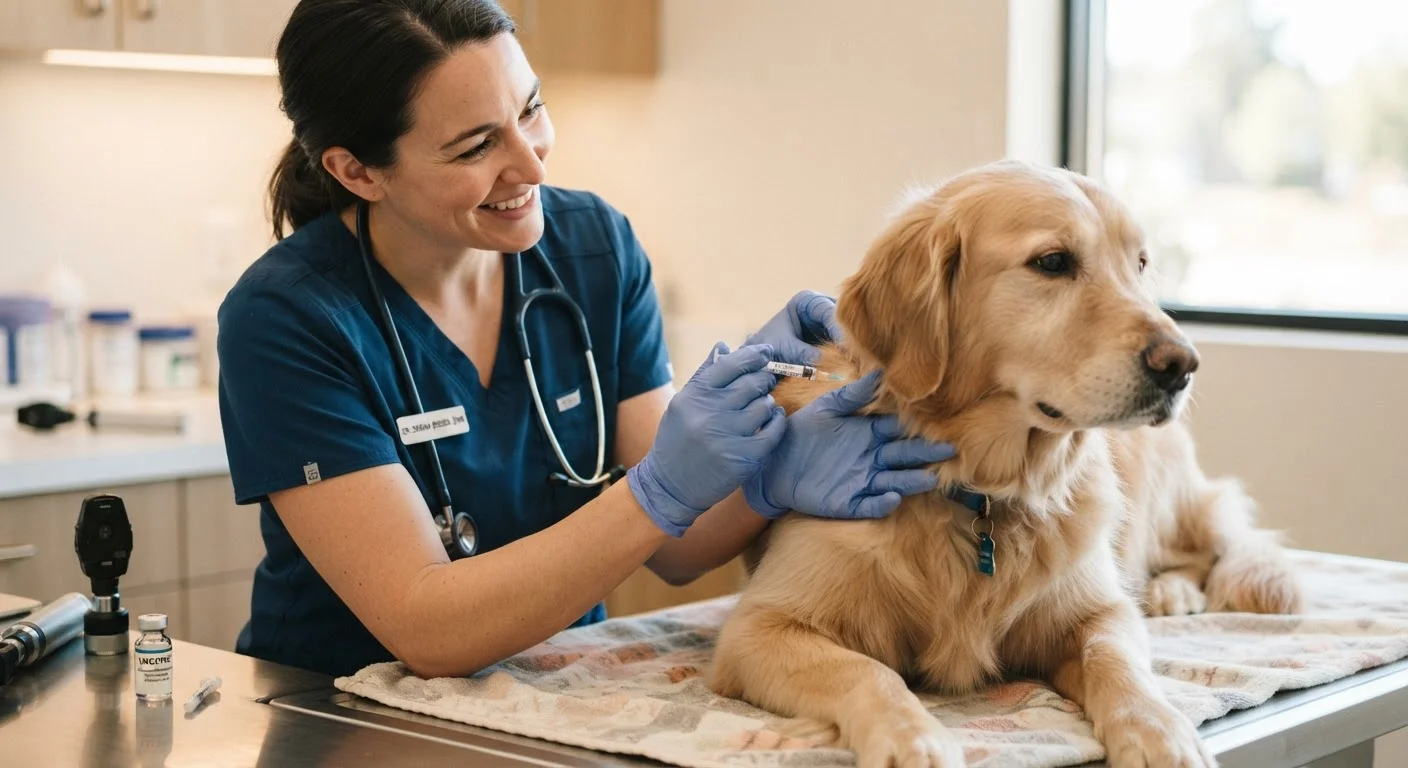
Common Assumptions About Pet Vaccines That Lead Owners Astray
From "indoor pets don't need shots" to fears about over-vaccination, we separate evidence-based guidance from widespread…
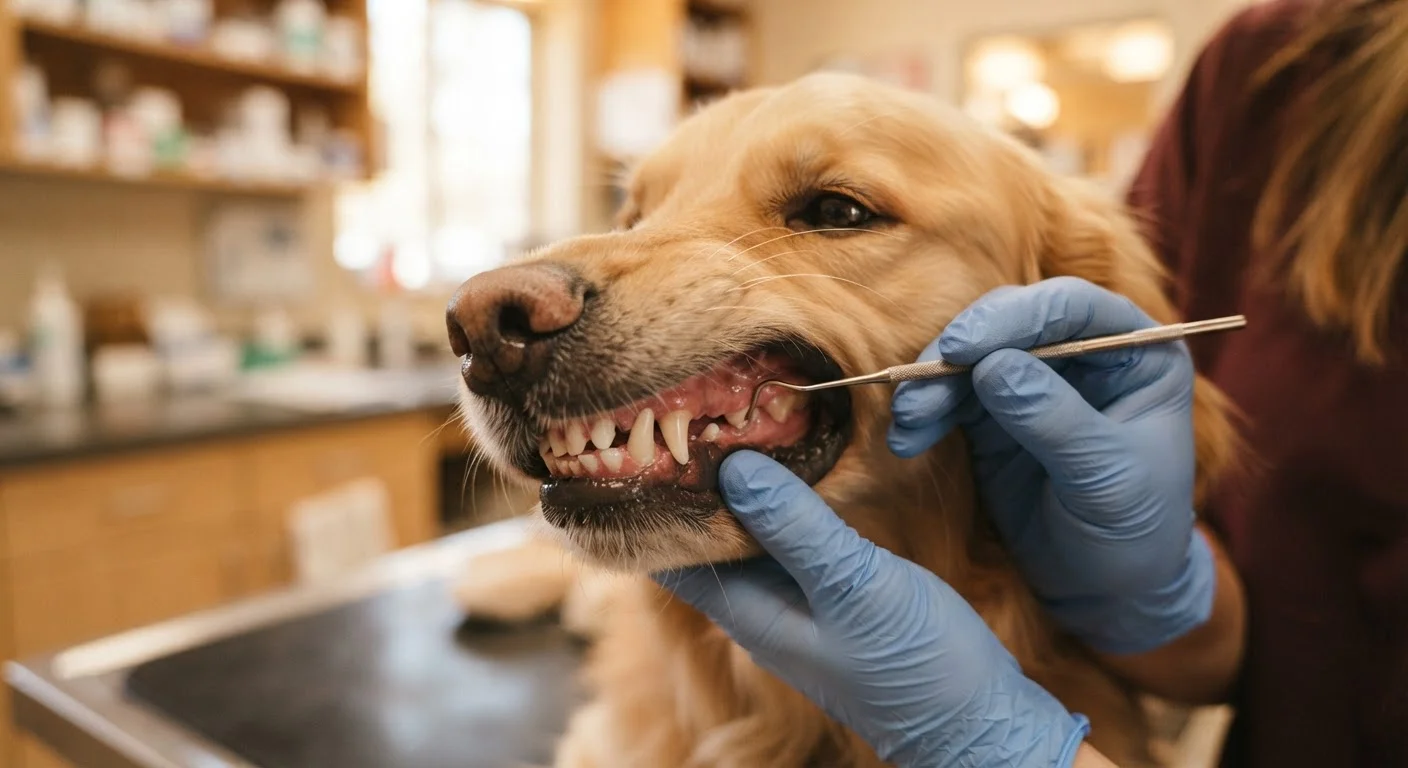
Dog Dental Health: Why Bad Breath Is More Than a Nuisance
Persistent bad breath in dogs can signal gum disease or systemic illness. Here's what's happening inside that mouth.…

Food Toppers, Raw Diets, and Homemade Meals: Weighing the Nutritional Tradeoffs
Alternative feeding approaches each come with genuine benefits and real risks. Here's a balanced look at what the eviden…

Hydration and Pets: How Much Water Is Enough-and When to Worry
Water intake varies by species, size, and diet. Learn the signs of adequate hydration and when thirst changes signal tro…

Hydration and Your Pet: More Than Just a Full Water Bowl
Dehydration in pets can be subtle and dangerous. Learn how water intake, diet, and species differences all affect your p…

Keeping Your Pet at a Healthy Weight: What the Numbers on the Scale Don't Show
Weight alone doesn't capture a pet's body condition. Learn how vets assess healthy weight and what you can observe at ho…

Mental Enrichment for Indoor Pets: Why Boredom Is a Health Issue
Indoor pets need more than food and shelter. Discover why mental stimulation matters and practical ways to provide it.…

Monthly Pet Wellness Check: What to Look At From Nose to Tail
A practical at-home checklist covering eyes, ears, teeth, coat, weight, and behavior so you can spot changes between vet…

Parasite Prevention: Fleas, Ticks, and Worms Compared
Not all parasites are the same. Compare how fleas, ticks, and worms affect pets and how prevention strategies differ.…
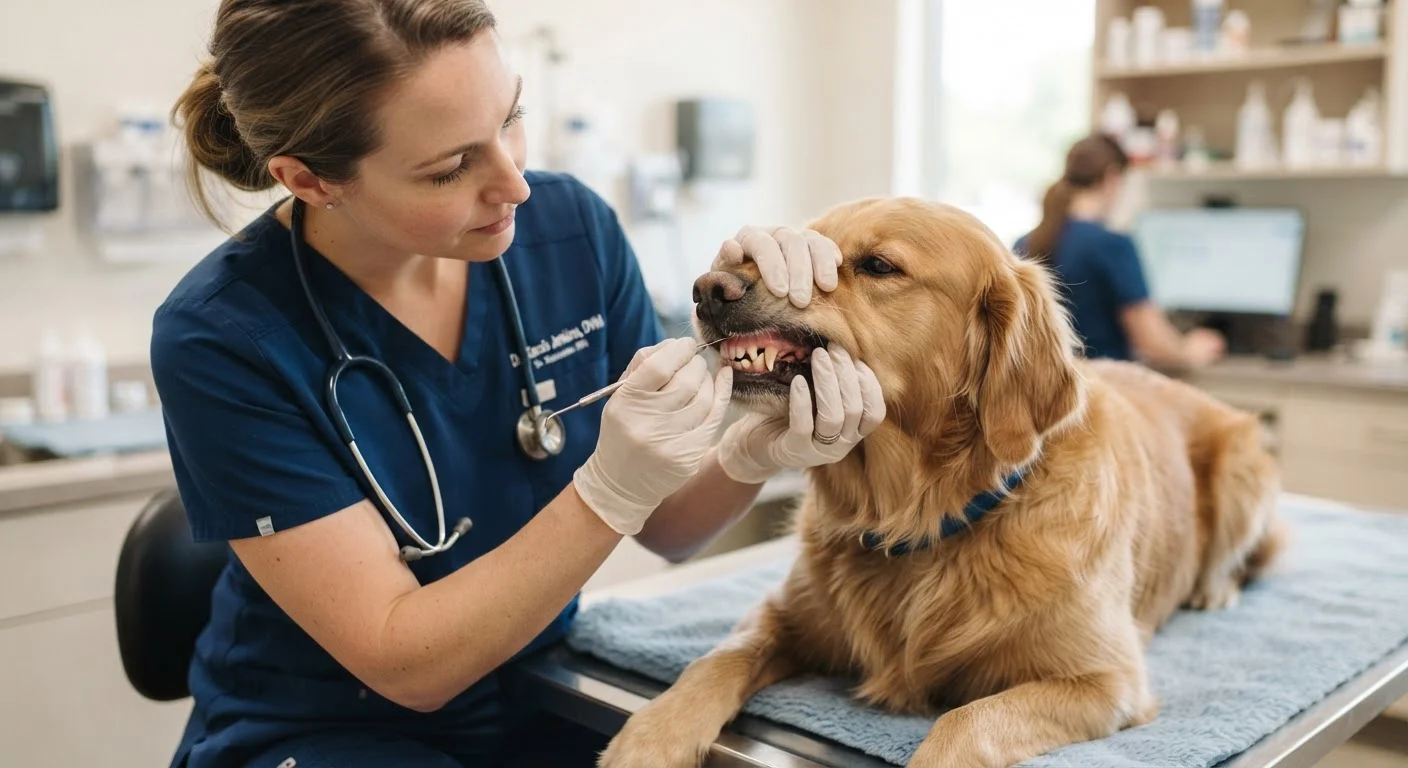
Pet Dental Health Decoded
Oral disease is one of the most common—and overlooked—pet health problems. Here's what healthy teeth look like and what …
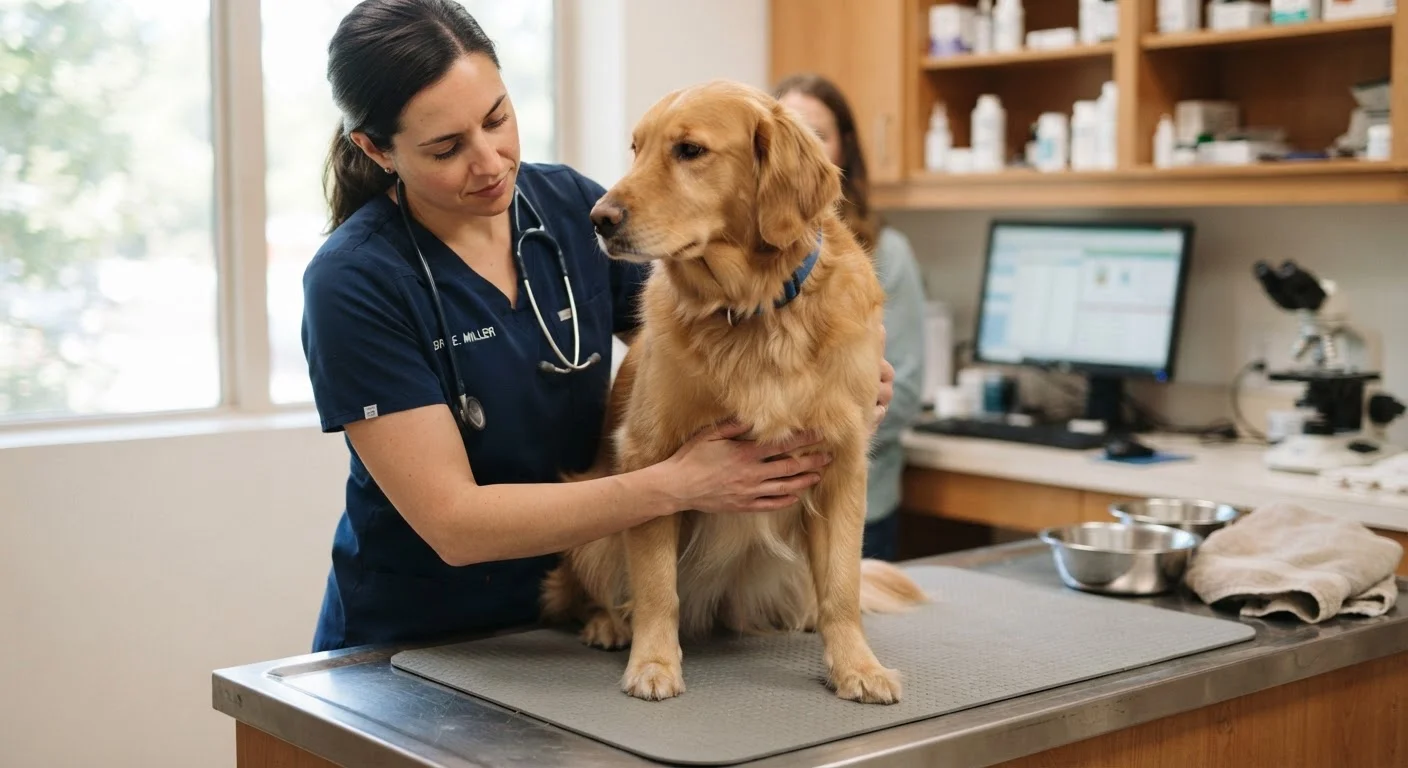
Pet Weight and Health: Understanding Body Condition Scoring
Body condition scoring is a simple, hands-on method vets use to assess pet weight. Learn how it works and why it matters…

Reading Your Pet's Body Language: A Room-by-Room Reference
A quick-reference breakdown of common pet postures, vocalizations, and behaviors—and what they typically signal.…

Reading the Signs: Is Your Dog Actually in Pain?
Dogs rarely vocalize pain the way we expect. Discover the subtle behavioral and physical cues that often go unnoticed by…

Senior Pets: How Health Needs Shift as Animals Age
Older cats and dogs face different challenges than younger ones. Understand the changes to watch for and how care typica…

Senior Pets: Physical and Behavioral Changes Worth Monitoring
Aging pets show subtle shifts in mobility, sleep, and appetite. Know which changes are expected and which need vet atten…

Stress in Cats and Dogs: What It Looks Like and Why It Matters
Chronic stress affects pet immune function, digestion, and behavior. Learn to recognize the physical and behavioral sign…

Surprising Ways Everyday Stress Shows Up in Pets
Hiding, house accidents, and appetite changes can all be stress responses. Find out which behaviors warrant a closer loo…
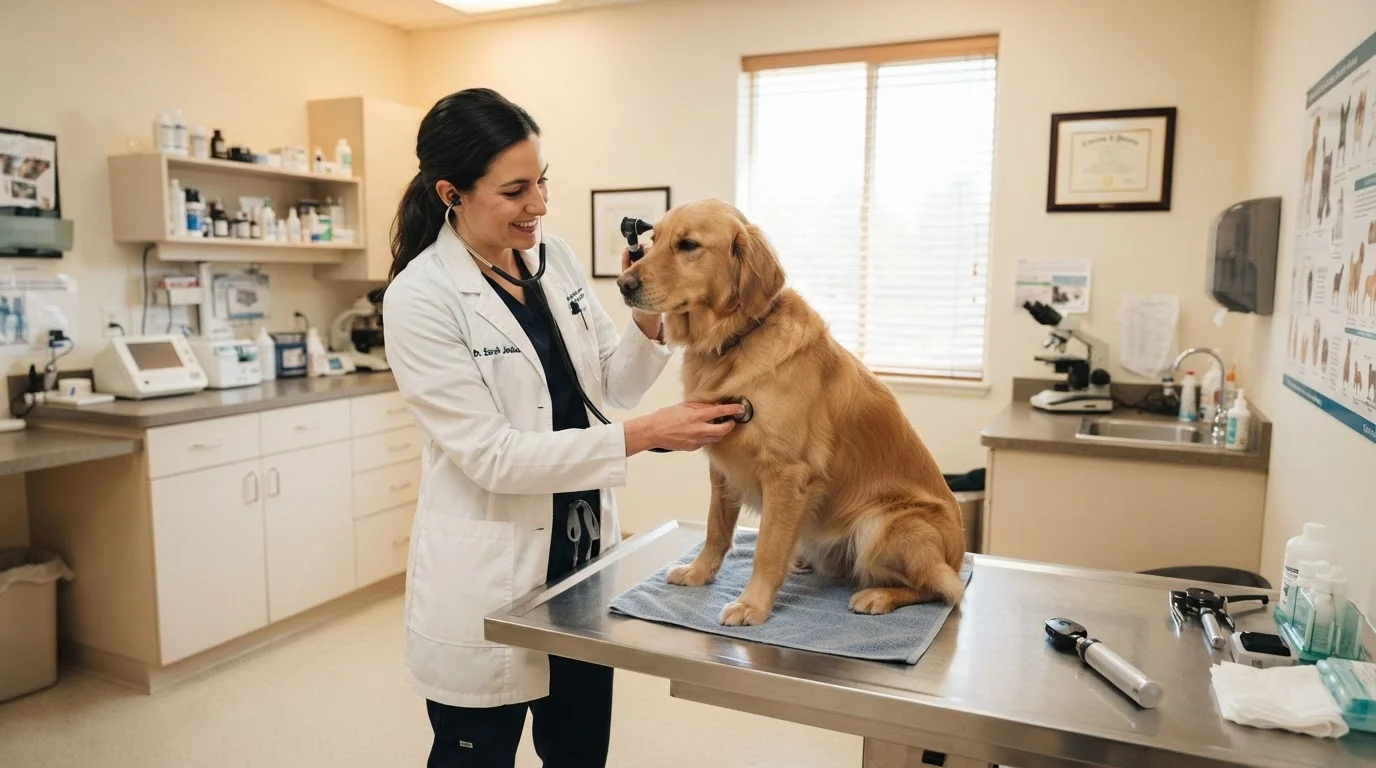
The Pet Wellness Visit Explained: What Vets Check and Why It Matters
Annual wellness exams aren't just for sick pets. Understand what your vet is looking for during a routine checkup.…

The Truth About What Pets Actually Need to Stay Mentally Stimulated
Boredom in pets shows up as destructive behavior, anxiety, and lethargy. Here's what mental enrichment really means for …

What Your Pet's Coat Is Telling You About Their Health
Dull fur, excessive shedding, or bald patches can signal underlying issues. Learn what a healthy coat looks like and whe…

What Your Pet's Eyes, Ears, and Coat Are Telling You
Learn to read your pet's physical appearance as a window into their overall health—no vet degree required.…

When Gradual Changes in Your Pet's Behavior Are Worth a Vet Call
Slow shifts in appetite, energy, or routine are easy to dismiss as aging or mood. Understand which changes deserve profe…

When Your Pet Stops Eating: Causes That Range From Mild to Urgent
A skipped meal isn't always a red flag, but persistent appetite loss can be. Here's how to tell the difference.…

Why Cats Hide Illness-and What That Means for Owners
Cats instinctively mask pain and sickness. Understanding this behavior can help owners catch health problems before they…

Why Pet Health Records Matter More Than Most Owners Realize
Vaccination history, test results, and weight trends tell a story over time. Here's what to track and why it helps your …

Widely Believed Pet Health Myths-and What the Evidence Actually Shows
From 'dogs eat grass when sick' to 'cats always land safely,' we sort popular pet health myths from the facts.…

Before Your First Training Session: A Readiness Checklist for Pet Owners
Set yourself and your pet up for success. This checklist covers environment, timing, tools, and mindset before you begin…

Cat Training Myths That Make It Harder Than It Needs to Be
"Cats can't be trained" is just the beginning. We separate widespread misconceptions from what behaviorists actually kno…

Clicker Training vs. Verbal Markers: Which Works Better for Your Pet?
Both clickers and verbal cues can mark good behavior effectively. Here's how they differ in practice and which situation…

Clicker Training vs. Verbal Marking: Choosing the Right Signal for Your Pet
Both clicker and verbal markers can accelerate learning—but they suit different situations and handlers. Here's how to d…

Group Classes vs. Private Training: Weighing Your Options for Dog Obedience
Group and private training each offer distinct advantages. Compare the learning environment, cost structure, and social …

Group Classes, Private Sessions, or Self-Guided Training: Weighing Your Options
Each training format has real tradeoffs. This comparison looks at cost, effectiveness, and fit so you can choose the app…

Keeping Training Sessions Effective: Principles Every Pet Owner Should Know
Short sessions, clear timing, and consistent criteria make the biggest difference in training outcomes. Here are the cor…

Leash Reactivity in Dogs: What's Actually Happening and How to Address It
Lunging, barking, or freezing on leash isn't aggression—it's often fear or frustration. Understand the triggers and prov…

Pet Training From Puppy to Senior: How Needs and Methods Evolve
A comprehensive look at how training goals, techniques, and expectations should shift as your pet moves from puppyhood t…

Pet Training Myths That Are Quietly Holding You Back
From dominance theory to the idea that old dogs can't learn — common training beliefs that don't hold up, and what the e…

Positive Reinforcement vs. Correction-Based Training: What the Research Actually Shows
A side-by-side look at reward-based and correction-based dog training methods, including what behavioral science says ab…

Positive Reinforcement vs. Correction-Based Training: What the Research Says
A clear-eyed look at two major dog training philosophies—what each involves, how they differ, and what animal behavioris…

Reading Your Cat's Body Language: A Field Guide
Tail position, ear angle, slow blinks — this visual reference decodes what your cat is communicating and how to respond …

Reading Your Pet's Body Language: A Visual Reference for Common Signals
Ears, tail, posture, and eyes all communicate your pet's emotional state. Use this reference to decode what your dog or …

Separation Anxiety in Dogs: What It Is, What It Isn't, and How to Help
True separation anxiety is often misdiagnosed. Learn how to tell it apart from boredom or frustration, and what gradual …

Starting From Scratch: A New Dog Owner's Guide to Training Basics
Never trained a dog before? This beginner-friendly guide covers the foundational concepts, tools, and mindset you need b…

Teaching Your Dog to Stay: Building Duration, Distance, and Distraction
Learn how to build a reliable "stay" command by gradually introducing the three D's—duration, distance, and distraction—…

Teaching a Dog to Walk Politely on a Leash
Pulling on the leash is one of the most common complaints from dog owners. This step-by-step guide covers the mechanics …

The Case for and Against Crate Training
Crate training divides opinion among pet owners. A balanced look at the benefits, the legitimate concerns, and the condi…

The First 30 Days With a New Dog: A Training Roadmap
What to prioritize, what to skip, and how to build trust with a new dog during the crucial settling-in period — without …

The Habits That Quietly Undermine Your Dog's Training Progress
Inconsistent cues, accidental reinforcement, and rushed sessions are among the subtle patterns that stall progress—here'…

The Real Reasons Dogs Bark-and What Each Type Signals
Barking isn't random. Discover the distinct types of dog barks, what triggers each one, and how recognizing them helps y…

Training Sessions That Actually Stick: Frequency, Length, and Timing
How long, how often, and when you train matters as much as what you teach. Here's what behavioral science says about des…

Training an Older Dog: What Changes, What Stays the Same
Senior dogs can absolutely learn new behaviors. Understand how age affects attention span, motivation, and physical abil…

Understanding Feline Play Aggression and How to Redirect It
Biting and scratching during play isn't meanness — it's normal cat behavior that can be shaped. Here's how to redirect i…

What Goes Wrong When Puppies Miss the Socialization Window
The socialization period in puppies is brief and consequential. Understanding what happens when it's missed helps owners…

When Puppies Push Back: Understanding the Fear Periods and How to Navigate Them
Puppies go through predictable developmental windows when new fears can take hold. Learn what these periods are and how …
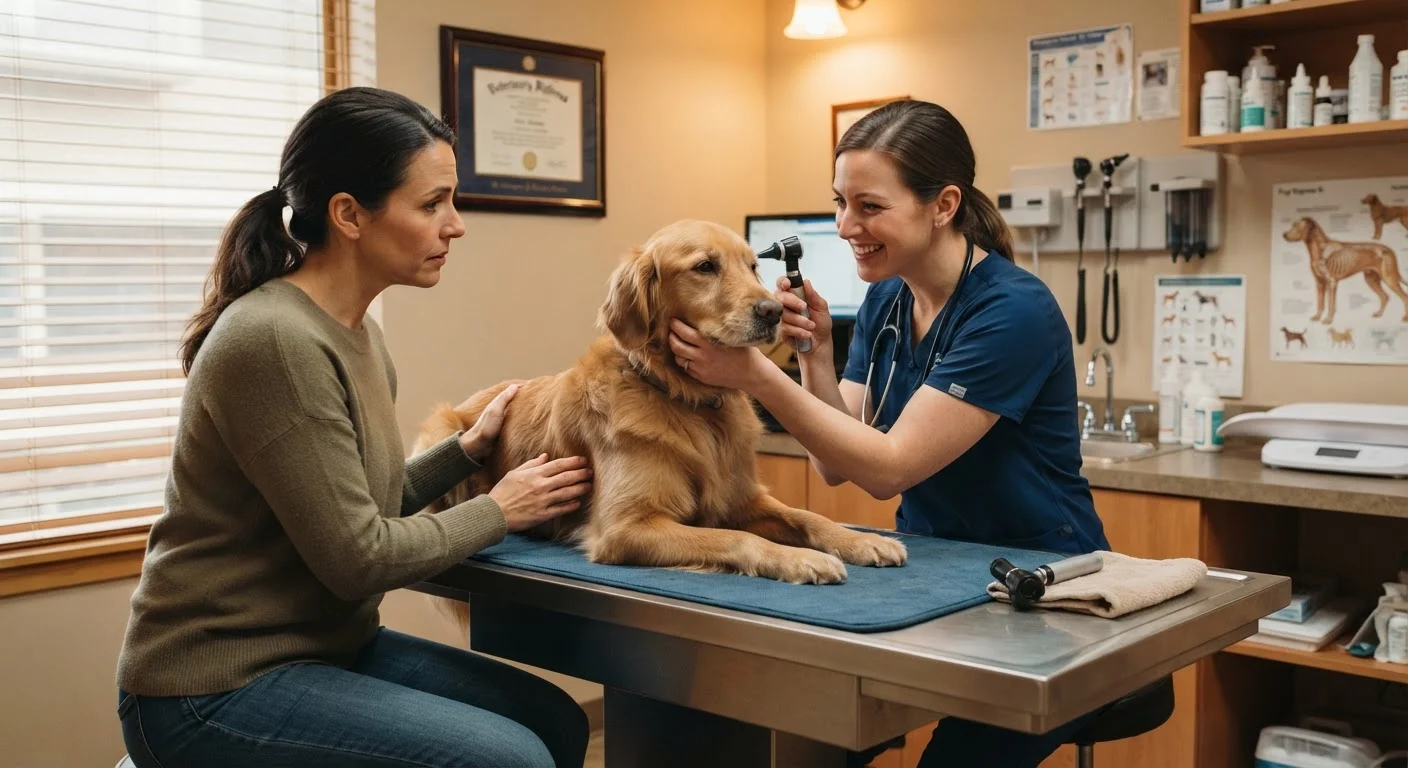
When a Pet's Behavior Problem Needs a Veterinarian, Not a Trainer
Sudden aggression, excessive licking, or nighttime restlessness can signal a medical issue. Learn which behavioral chang…

Why Dogs Do What They Do: The Science Behind Canine Behavior
From tail wags to zoomies, learn what drives your dog's everyday actions and how understanding behavior makes training f…

Why Dogs Repeat Behaviors That Seem to Get Them Nowhere
Understanding the science of reinforcement helps explain why your dog keeps doing things that don't seem to pay off — an…