
Surprising Ways Everyday Stress Shows Up in Pets
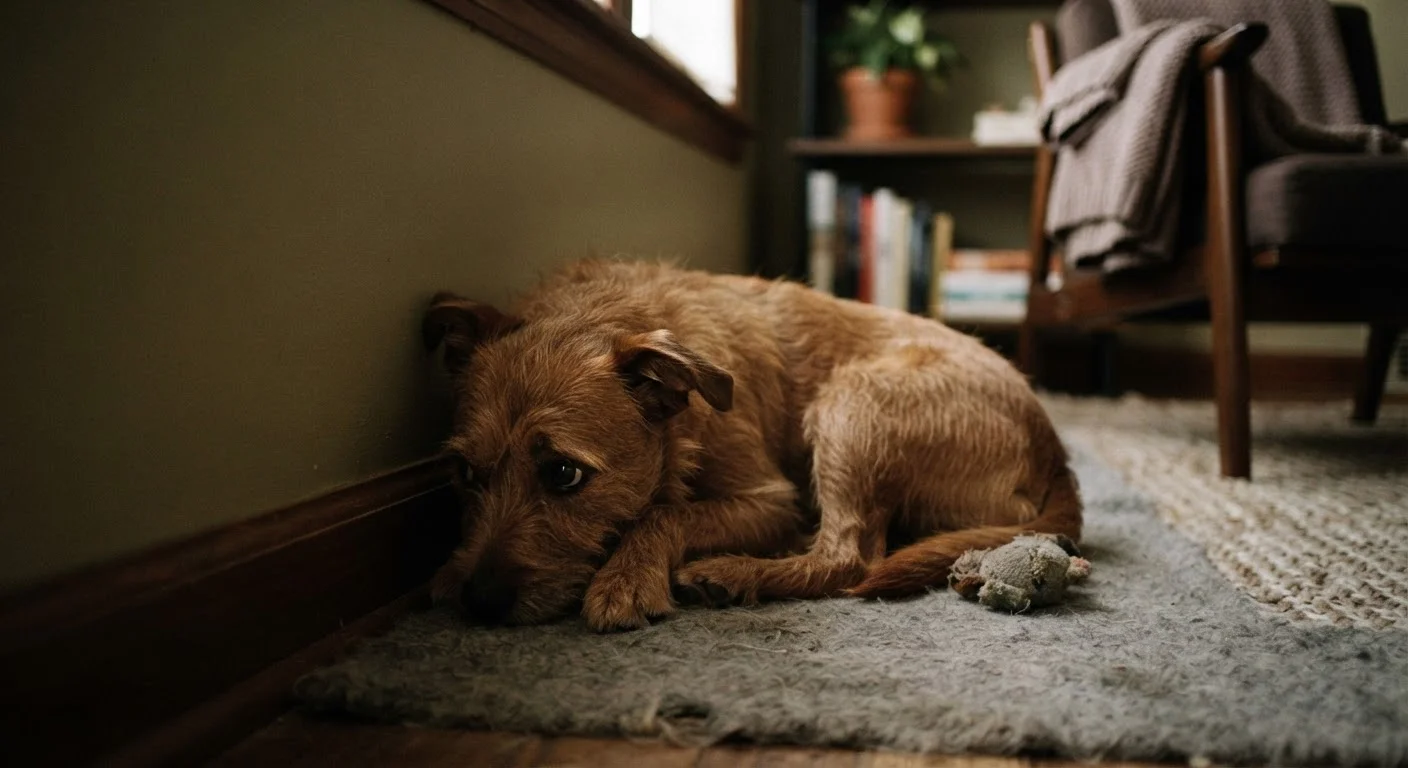
Photo credit: FaqInsider.com
Hiding, house accidents, and appetite changes can all be stress responses. Find out which behaviors warrant a closer look.
Key Takeaways
- Stress in pets often looks like ordinary misbehavior - hiding, accidents, or clinginess are common signals.
- Changes in appetite, grooming habits, and sleep patterns can all be stress responses worth monitoring.
- Identifying the trigger matters as much as noticing the symptom - routines, environment, and social changes all play a role.
- Persistent or worsening stress signs should prompt a veterinary conversation, not just a behavioral adjustment.
When Stress Hides in Plain Sight
Most pet owners expect stress to look dramatic - a trembling dog during a thunderstorm or a cat that darts under the bed when strangers arrive. But day-to-day stress is usually far quieter, and that's precisely why it goes unrecognized for so long.
Your pet can't tell you they're overwhelmed by the new work-from-home schedule, the recent move, or the addition of a new family member. Instead, they communicate through behavior - and those signals often get dismissed as stubbornness, aging, or "just a phase."
Understanding what stress actually looks like in animals is one of the most practical things an owner can learn. The list below covers seven ways everyday stress commonly shows up, along with what to watch for and when it's worth a closer look. For a broader picture of how stress affects pets physically and behaviorally, learn more about stress signals in cats and dogs.
Hiding or seeking unusual isolation
A pet that suddenly retreats to under the bed, behind the couch, or into a closet - especially outside of nap time - is often signaling that something feels unsafe or overwhelming. This is one of the most consistent stress responses across cats and dogs alike.
The key word here is suddenly. Some animals are naturally more introverted, but a shift from sociable to withdrawn without a clear physical cause (like illness or injury) warrants attention. Note whether the hiding coincides with specific events - louder households, new visitors, or changes in who's home during the day.
Sudden withdrawal is often a pet's clearest way of saying the world feels like too much right now.
House-training accidents without a medical cause
A previously house-trained dog or litter-box-reliable cat that starts having indoor accidents is a classic stress signal that owners frequently misread as defiance or laziness. In reality, stress can disrupt a pet's normal routine and, in some cases, affect bladder control directly.
Before assuming a behavioral cause, rule out medical issues - urinary infections, kidney problems, and other conditions can cause the same pattern. If a vet visit clears your pet physically, look at what changed in the environment around the time the accidents began. Pain can also trigger house accidents and is easy to overlook.
House accidents in a trained pet are almost never about defiance - they're usually a signal worth investigating.
Changes in appetite - up or down
Stress doesn't always suppress appetite. In some pets, especially dogs, stress can actually increase food-seeking behavior or lead to gulping food anxiously. In others - more commonly cats - stress causes a noticeable drop in interest in food.
Either direction is worth tracking. A pet that suddenly refuses meals for more than a day or two, or that seems constantly hungry despite eating normally, may be responding to an emotional stressor rather than a physical one. Keep a rough log of when changes happen and what else was going on in the household at that time.
Stress doesn't always kill appetite - in some pets it increases urgency around food instead.
Excessive grooming or self-directed behaviors
Cats are fastidious groomers, but stress-related over-grooming goes beyond normal coat maintenance. You may notice thinning patches, hair loss, or reddened skin - particularly on the belly, inner legs, or base of the tail. In dogs, stress can manifest as excessive licking of the paws or flanks, sometimes to the point of causing irritation or sores called acral lick dermatitis.
These behaviors release a small amount of tension in the moment, which is why stressed animals return to them repeatedly. If you notice bald patches or skin changes alongside the repetitive behavior, a veterinary evaluation is the right next step to rule out allergies or skin conditions before assuming a purely behavioral cause.
Repetitive self-grooming is one of the body's built-in tension-relief mechanisms - and it can go too far under chronic stress.
Clinginess or a sudden need for reassurance
While isolation is one stress response, the opposite - increased neediness - is equally common and often more confusing for owners, because it can feel like affection rather than anxiety. A dog that won't leave your side, follows you from room to room, or whines when you're out of sight may be seeking reassurance because something in their environment feels uncertain.
This kind of behavior is particularly common during major household transitions: a new baby, a move, the loss of another pet, or even a significant shift in your own schedule. Separation anxiety in dogs is a related pattern that can develop from unresolved stress and is worth understanding in its own right.
A pet that suddenly can't let you out of sight may be managing anxiety, not just showing extra love.
Disrupted sleep patterns
Pets - especially dogs - tend to mirror their owners' routines to a notable degree. When a household's schedule changes dramatically, sleep disruption often follows. But stressed pets can also develop sleep changes independently: restlessness at night, waking earlier than usual, or sleeping far more than their baseline.
In older animals, altered sleep can also signal cognitive or physical changes, so it's useful to know your pet's normal before assuming stress is the only factor. Senior pets show distinct patterns of sleep change that are worth understanding separately from stress-related disruption.
Restless nights in a pet that normally sleeps soundly can reflect household stress more than physical illness.
Increased vocalization or unusual quietness
A cat that suddenly meows much more than usual, or a dog that has become uncharacteristically quiet, can both be responding to stress - just in opposite ways. Some animals become more vocal when anxious, particularly at night or when left alone. Others go quiet in a way that looks like contentment but is actually withdrawal.
Context matters here. A dog that barks more when you leave, or a cat that yowls at night after a move, is giving you direct temporal clues about the stressor. Track whether the vocalization pattern ties to specific times of day, people, or situations - that information is genuinely useful if you end up speaking with a veterinarian or a certified animal behaviorist.
Both unusual silence and increased vocalization can indicate stress - context and timing are the key to telling them apart.
What to Do When You Spot These Signs
Recognizing the sign is step one. Step two is identifying what changed - because stress in pets almost always has a trigger. Think back: Did your schedule shift? Did a new pet, person, or piece of furniture enter the home? Even changes that seem minor to humans, like rearranging furniture or switching litter brands, can unsettle a sensitive animal.
Once you've identified a likely cause, building a more consistent daily routine is often one of the most effective ways to restore a sense of safety for your pet. Predictability is genuinely calming for most animals.
Document Before You Diagnose
Before your vet visit, spend a few days jotting down when the behavior occurs, how long it lasts, and what else is happening in the house at that time. Even rough notes can help your veterinarian distinguish stress-related behavior from a medical issue. A short video clip of the behavior is especially helpful when the problem isn't easy to recreate in the clinic.
If the behavior is new, escalating, or accompanied by physical symptoms like vomiting, diarrhea, or significant weight change, don't wait to see if it resolves on its own. Gradual behavioral changes often deserve a vet conversation sooner than most owners expect. Stress can sometimes mask or compound underlying health conditions, so a veterinary check-in is always reasonable when you're unsure.
This article is for general informational purposes only and is not a substitute for professional veterinary advice. Always consult a licensed veterinarian if you have concerns about your pet's health or behavior.

Author
Pets & Animals Editorial Team
Pets & Animals Editorial Team is the collective byline for our editorial team and contributor network. Articles published under this byline or an editorial pen name are researched, written, and reviewed according to our editorial standards for clarity, consistency, and independence before publication.
View all articles →