
Training Sessions That Actually Stick: Frequency, Length, and Timing
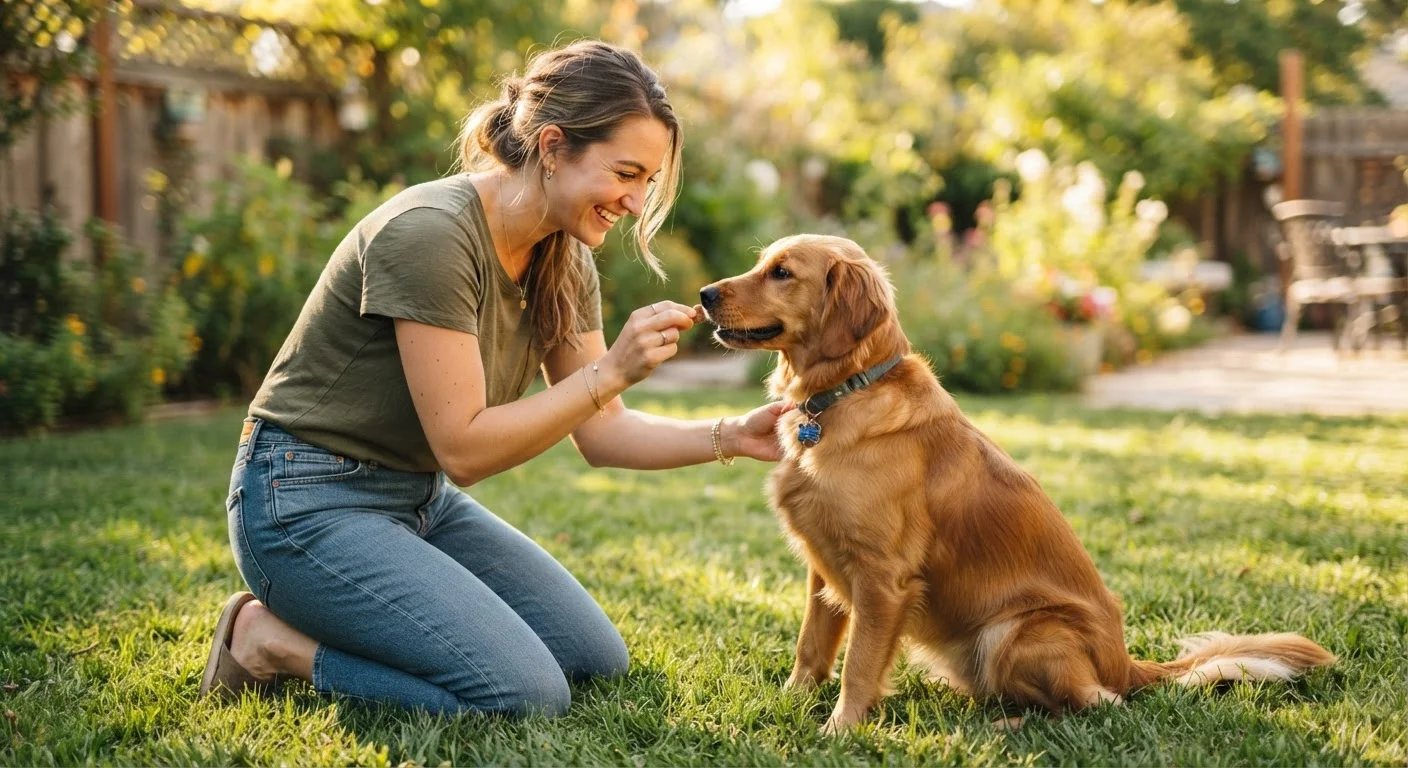
Photo credit: FaqInsider.com
In this article
How long, how often, and when you train matters as much as what you teach. Here's what behavioral science says about designing sessions that lead to lasting results.
Key Takeaways
- Keep individual training sessions to 5-10 minutes to maintain your pet's focus and motivation.
- Multiple short sessions spread across the day outperform one long, exhausting session.
- Timing rewards within seconds of the desired behavior is critical for effective learning.
- End every session on a success to build positive associations with training.
- Consistency across days matters more than the total minutes spent in any single session.
Why Session Structure Matters More Than You Think
Most pet owners focus almost entirely on what they're teaching - sit, stay, recall, leash manners. But behavioral science consistently shows that how you structure training sessions shapes results just as much as the commands you choose. The right frequency, length, and timing can mean the difference between a skill that fades by the weekend and one your pet carries for life.
Dogs (and other pets) learn through a process called operant conditioning, where behaviors that produce good outcomes get repeated. That process is sensitive to timing, mental fatigue, and emotional state - all things session structure directly controls. Understanding these factors doesn't require a degree in animal behavior; it just requires a few deliberate habits.
For more on the underlying principles that make sessions work, see core training practices behaviorists recommend.
Best Practices for Training Frequency, Length, and Timing
Apply these research-backed practices consistently and you'll start seeing more durable results with less frustration for both you and your pet.
Keep sessions to 5-10 minutes per skill, per sitting.
A pet's ability to focus and retain new information drops sharply after about 10 minutes. Longer sessions lead to mental fatigue, frustration, and slower overall progress - not faster learning.
Train multiple short sessions throughout the day rather than one long one.
Spaced practice - working on a skill at intervals rather than all at once - is one of the most well-supported principles in learning research. Each return to a behavior reinforces the memory trace laid down in the previous session.
Deliver rewards within 1-2 seconds of the desired behavior.
Pets associate rewards with whatever they were doing at the exact moment the reward arrives. A delay of even a few seconds can reinforce the wrong behavior - like rewarding a sit that's already become a stand.
Always end sessions on a successful repetition.
The final moment of a session carries disproportionate emotional weight. Ending on a success creates a positive memory of training, keeping your pet willing and eager to engage next time.
Train before meals when possible, not immediately after.
A mildly hungry pet is more motivated by food rewards. Training on a full stomach reduces treat value, which weakens the reinforcement signal and can slow learning.
Match session frequency to the skill's stage of learning.
New behaviors need more frequent, shorter repetitions to build the initial association. Once a skill is reliable, you can reduce session frequency without losing it - in fact, occasional variable practice helps proof the behavior across different situations.
Quick Wins You Can Apply Today
You don't need to overhaul your routine overnight. These small shifts can immediately improve how your sessions land.
If you're deciding between training formats - classes, private instruction, or self-guided work - compare the options and their tradeoffs to find the right fit for your pet and schedule.
Putting It All Together
Effective training isn't about intensity - it's about consistency, timing, and ending on a win. A pet that associates training with brief, upbeat interactions and reliable rewards is a pet that stays engaged over months and years, not just the first week you bring a new skill home.
“Training should always leave the animal - and the trainer - feeling better than when they started. If you're frustrated, the session has already gone on too long.”
— Dr. Ian Dunbar, Veterinarian and animal behaviorist, founder of the Association of Professional Dog Trainers
The same habit-formation logic applies broadly. Interestingly, research on human routines - like building a walking habit that sticks - mirrors what trainers observe in pets: short, regular practice beats sporadic marathon effort every time.
Start with one change today: set a timer for 5 minutes, pick one behavior, and keep it fun. That's a session that sticks.

Author
Pets & Animals Editorial Team
Pets & Animals Editorial Team is the collective byline for our editorial team and contributor network. Articles published under this byline or an editorial pen name are researched, written, and reviewed according to our editorial standards for clarity, consistency, and independence before publication.
View all articles →