
How Seasonal Patterns Shape Home Prices and Inventory
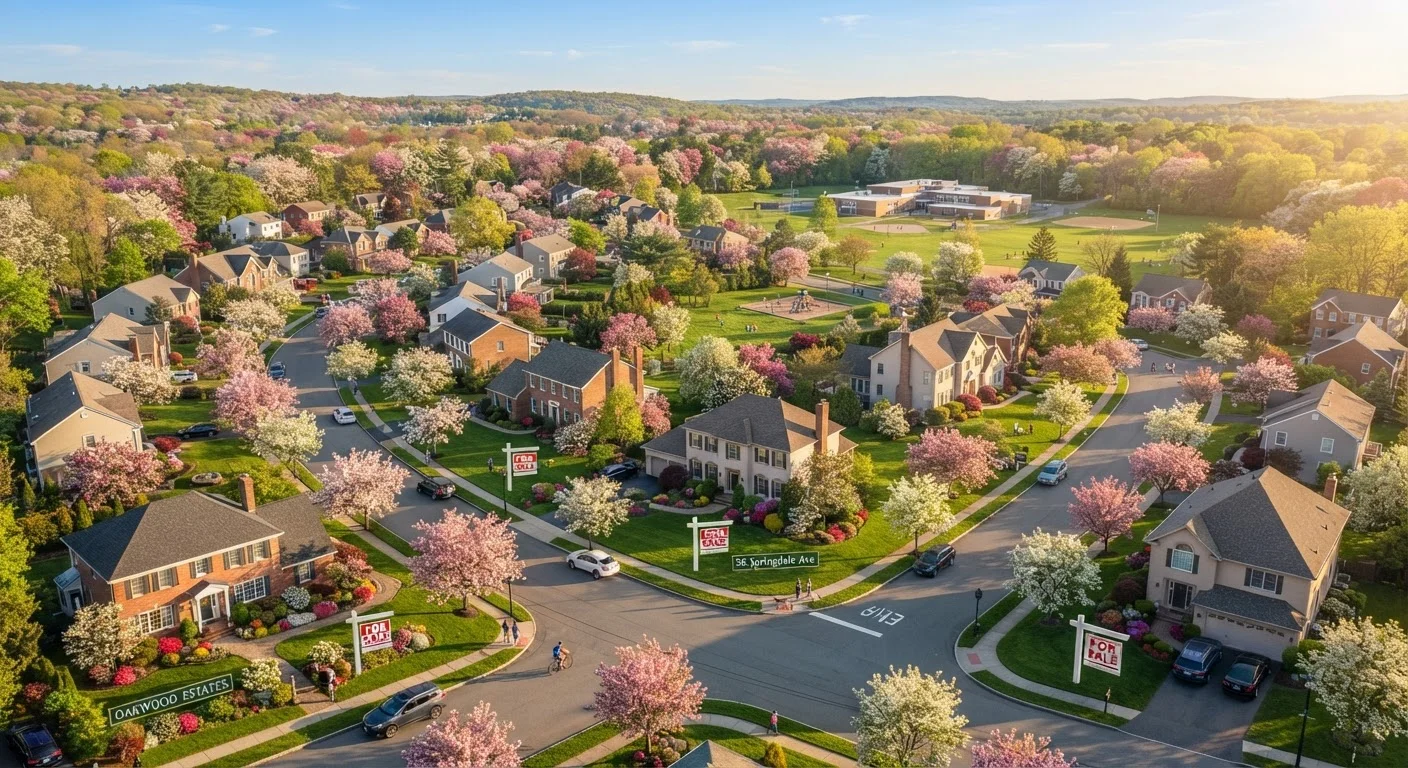
Photo credit: FaqInsider.com
In this article
Spring surges and winter slowdowns are real — but they vary by region. Here's how time of year tends to affect what you'll find and what you'll pay.
Key Takeaways
- Spring typically brings the most listings and buyer competition, pushing prices higher.
- Winter often offers less competition, though inventory is thinner and fewer sellers are motivated.
- Regional climate and demographics can significantly alter standard seasonal patterns.
- Seasonal trends are tendencies, not guarantees - broader market forces can override them.
- Tracking local data, not national headlines, gives the clearest seasonal picture.
Why Seasons Move the Housing Market
Housing markets don't operate on a flat, year-round schedule. Buyer demand, seller motivation, and available inventory all shift in patterns that repeat - with some variation - cycle after cycle. Understanding these rhythms helps buyers and sellers set realistic expectations about what the market will look like when they're ready to act.
The clearest driver is the school calendar. Families with children strongly prefer to move during summer so kids can start fresh in September. That preference pushes many sellers to list in spring - giving buyers enough time to close before the school year ends - and pulls many buyers into the market simultaneously. The result is a concentrated surge of activity between roughly March and June in most U.S. markets.
Weather is a secondary but real factor. House hunting in January in Minnesota is genuinely harder than in May. Snow-covered yards, icy roads, and short days suppress both buyer enthusiasm and seller willingness to keep a home show-ready. In warmer climates, this deterrent is weaker, which is one reason Sun Belt markets show less dramatic seasonal swings.
~40%
of annual home sales occur in spring months
National Association of Realtors data consistently shows April through June as the most active sales period in most U.S. markets.
5-10%
typical spring-to-winter price premium
Analyses of historical listing and sale price data suggest spring list prices tend to run meaningfully above winter levels in most metros, though the gap varies by market.
2-3x
longer days on market in winter vs. spring
In cold-climate U.S. markets, homes listed in January or February routinely take significantly longer to sell than those listed in April or May.
The Spring Surge: More Choice, More Competition
Spring is when inventory peaks and competition intensifies. More listings enter the market, but buyer demand typically rises even faster, creating conditions that favor sellers. Bidding wars are more common, contingencies are more likely to be waived, and homes sell faster. List prices tend to run higher than at any other point in the calendar year.
For buyers, spring offers the largest selection - but also the steepest pricing pressure. Homes that might sit for weeks in January can receive multiple offers within days during April or May. Understanding early signs of local overheating can help buyers avoid overpaying during peak-season frenzies.
Set Price Expectations Before Peak Season Hits
If you're planning to buy in spring, research comparable sales from the prior fall and winter to establish a baseline. Spring competition can inflate perceived value, and understanding what homes sold for in quieter months helps you gauge whether a spring list price reflects genuine value or seasonal premium.
Summer, Fall, and Winter: What Changes and What Doesn't
By midsummer, the urgency of the spring rush often fades. Families who needed to move before school started have largely done so. Inventory may still be reasonably healthy, but the pool of active buyers narrows. This can give remaining buyers more negotiating leverage without sacrificing too much choice.
Fall brings a secondary but smaller uptick in activity as sellers who missed spring try again before year-end. Buyers in this window often find motivated sellers - particularly those who have already dropped their price after a summer of limited interest.
Winter is the slowest season by nearly every measure. Listings are fewer, days-on-market stretch longer, and both buyers and sellers are scarcer. But that thinned competition can work in an active buyer's favor: sellers who list in December or January are often genuinely motivated, and offers face less competition. The trade-off is limited selection. This dynamic connects to a broader phenomenon - why prices don't fall as quickly as they rise even when demand softens.
Regional Variation: Seasonality Isn't Universal
National seasonal patterns are real averages, but local markets can diverge significantly. In Phoenix, Miami, or other warm-weather metros, winter doesn't suppress buyer activity the way it does in Chicago or Minneapolis. Retirees and remote workers who have flexibility about when they move often prefer to house-hunt in cooler months in hot climates, effectively inverting parts of the typical seasonal curve.
College towns often see a burst of rental and purchase activity tied to academic calendars rather than standard buyer patterns. Markets with heavy military populations follow transfer-season cycles. Resort markets may peak when vacation demand is highest - sometimes summer, sometimes winter depending on location.
The implication is straightforward: national headlines about spring surges or winter slowdowns are useful context but not a substitute for local data. Tracking active listings, median days on market, and sale-to-list price ratios in a specific zip code tells a more accurate story than broad seasonal generalizations. It also pays to understand how longer-term forces - like demographic shifts reshaping demand - interact with seasonal patterns in specific regions.
National Data Has Limits for Local Decisions
Reports citing nationwide seasonal trends average across thousands of distinct local markets. A slowdown that looks dramatic nationally may be mild in your metro - or vice versa. Local MLS data, county recorder records, and real estate agent market reports typically offer more actionable insight than national figures alone.
Using Seasonality to Plan - Without Overthinking It
Seasonal awareness is a planning tool, not a timing formula. The goal isn't to find the single perfect month to buy or sell - it's to set accurate expectations about what conditions to anticipate and adjust strategy accordingly.
Sellers generally benefit from listing when buyer demand is highest, which in most U.S. markets means late March through May. But a well-priced, well-presented home in October will outperform an overpriced spring listing every time. Price discipline and property condition matter more than calendar timing in most scenarios.
Buyers who can't wait for a preferred season shouldn't. Personal readiness - financial stability, a clear sense of what you need, and an understanding of how interest rates shape affordability - matters far more than the month on the calendar. Seasonality is a variable to factor in, not a gating condition.
Real estate also operates within longer market cycles that can amplify or flatten seasonal effects depending on whether the market is expanding, peaking, or cooling. Treating season as one input among many - rather than the dominant factor - leads to better decisions.
Frequently Asked Questions

Author
Real Estate Editorial Team
Real Estate Editorial Team is the collective byline for our editorial team and contributor network. Articles published under this byline or an editorial pen name are researched, written, and reviewed according to our editorial standards for clarity, consistency, and independence before publication.
View all articles →