
New Construction vs. Existing Homes in a Tight Market
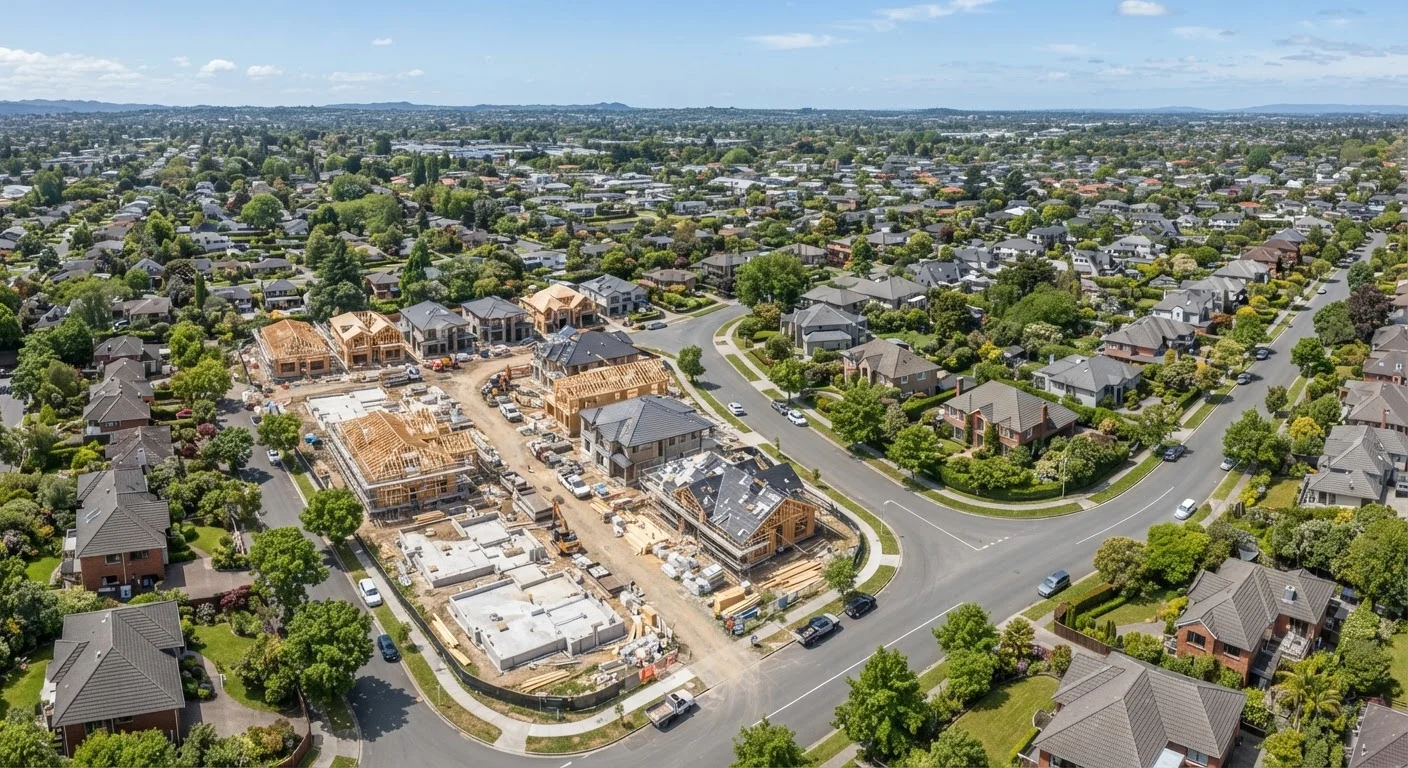
Photo credit: FaqInsider.com
In this article
When inventory is low, weighing a newly built home against a resale property involves trade-offs most buyers don't fully consider. Here's what to weigh.
Key Takeaways
- New construction typically offers modern features and warranties but often commands a price premium and longer timelines.
- Existing homes tend to be more competitively priced in tight markets but may require immediate renovation costs.
- Builder incentives on new construction can offset some costs, but they are not equivalent to a negotiated purchase price reduction.
- Location options for new builds are generally limited to developing suburbs, while resale homes offer broader geographic choice.
- In low-inventory markets, both paths carry risks - understanding them upfront leads to better decisions.
Why the Tight Market Changes the Calculus
When housing inventory is low, buyers face a different set of pressures than they would in a balanced market. Bidding wars, waived contingencies, and rapid price appreciation compress the window for careful deliberation. In this environment, the question of whether to pursue new construction or a resale home carries heightened stakes.
New construction supply has expanded in many metro areas as builders respond to persistent demand, but completions still lag historic norms. Meanwhile, existing homeowners locked into low mortgage rates have been reluctant to sell, keeping resale inventory constrained. This dual shortage means buyers on both paths are competing for a limited pool - each with distinct trade-offs. Understanding those trade-offs, rather than defaulting to assumptions, is what separates a well-timed decision from a costly one.
| New Construction | Existing Home | |
|---|---|---|
| Typical price premium | Often higher; reflects current build costs | Varies; negotiating room possible in slower segments |
| Move-in timeline | 6-18 months for unfinished builds | 30-60 days typical after contract |
| Condition certainty | High; new systems and warranty coverage | Variable; inspection essential |
| Location flexibility | Limited to developing areas with available land | Broad; spans established neighborhoods |
| Energy efficiency | Modern codes; lower utility costs common | Older systems may raise ongoing costs |
| Negotiating leverage | Limited; builders set prices, may offer incentives | More room in lower-demand or older listings |
| Renovation needs | Minimal at purchase; customization costs extra | Potentially significant, especially for older homes |
Cost and Pricing Realities
New construction homes typically carry a price premium over comparable existing homes in the same market. Builders price in the cost of land, materials, and labor at current rates - meaning buyers are not inheriting the inflation-adjusted appreciation that existing homeowners captured over years of ownership. However, builders in slower-moving new developments sometimes offer incentives such as mortgage rate buy-downs or closing cost contributions. These can meaningfully reduce the effective cost of borrowing, though they rarely equate to a straight discount on the sale price.
Existing homes, by contrast, may offer more negotiating room - particularly if a property has sat on the market or requires visible updates. That said, a tight market can erode this advantage quickly. Buyers should also budget for immediate costs that don't appear in the purchase price: aging HVAC systems, roofing, electrical panels, and plumbing can represent significant near-term expenditures. For a deeper look at how housing supply data shapes these pricing dynamics, see how new construction data fits into the broader housing picture.
Evaluate Builder Incentives Carefully
When a builder offers a mortgage rate buy-down or closing cost credit, calculate the total dollar value over the loan term - not just the monthly payment impact. A rate buy-down may save more than a price reduction in a high-rate environment, but the reverse can also be true. Have a mortgage professional model both scenarios before deciding which incentive structure serves you better.
Timeline, Location, and Lifestyle Fit
Timeline is one of the starkest differences between these two paths. An existing home can close in 30 to 60 days under normal conditions. A new build - especially one purchased early in the construction cycle - may require six months to over a year before occupancy. For buyers with lease end dates, school enrollment deadlines, or job relocation windows, this distinction can be decisive.
Location is equally important. New construction is concentrated where land is available, typically in developing suburbs or exurban areas farther from job centers. Existing homes are distributed across established neighborhoods with mature infrastructure, shorter commutes, and in many cases, stronger school district track records. Buyers for whom walkability, community character, or proximity to urban amenities matters should weigh this carefully.
Lifestyle fit extends to the home itself. New builds offer modern layouts, energy-efficient systems, and the ability to select finishes - but customization often comes at an additional cost and can delay timelines further. Existing homes bring character and established landscaping but may not align with contemporary open-floor-plan preferences without renovation. For buyers weighing broader market timing questions alongside this decision, the analysis in renting through a hot market vs. buying at the peak offers a useful parallel framework.
Risk Profiles and What Buyers Often Overlook
New construction carries risks that buyers sometimes underestimate. Builder reputation matters enormously - construction quality, warranty follow-through, and financial stability of the developer are all variables that deserve research. Structural and systems warranties on new builds (typically one to ten years depending on the component) provide meaningful protection, but only if the builder honors them. Communities under construction can also take years to feel fully established, with landscaping, retail, and public amenities lagging the initial sales phase.
Existing homes carry a different risk profile. Deferred maintenance, undisclosed defects, and the complexity of older systems can surface after closing. A thorough home inspection is not optional - it is the primary mechanism for uncovering issues before they become the buyer's financial responsibility. Buyers should budget for an inspection from a licensed professional and consider specialist inspections for roofing, sewer lines, or other high-cost systems if the property warrants it.
The homebuying process encompasses due diligence steps relevant to both paths, but the specific checklist differs meaningfully. Treating either option as inherently lower-risk without doing the work is one of the most common and costly mistakes buyers make in a competitive market.
Don't Skip Inspection on New Construction
Many buyers assume a brand-new home doesn't need an independent inspection. This is a significant misconception. Construction defects - from improper grading to incomplete insulation to plumbing errors - are documented in new builds regularly. Hiring a licensed home inspector before closing on new construction, and ideally at multiple stages of the build process, is a reasonable safeguard that should not be waived.

Author
Real Estate Editorial Team
Real Estate Editorial Team is the collective byline for our editorial team and contributor network. Articles published under this byline or an editorial pen name are researched, written, and reviewed according to our editorial standards for clarity, consistency, and independence before publication.
View all articles →