
Renting Glossary: Key Terms Every Tenant Should Understand
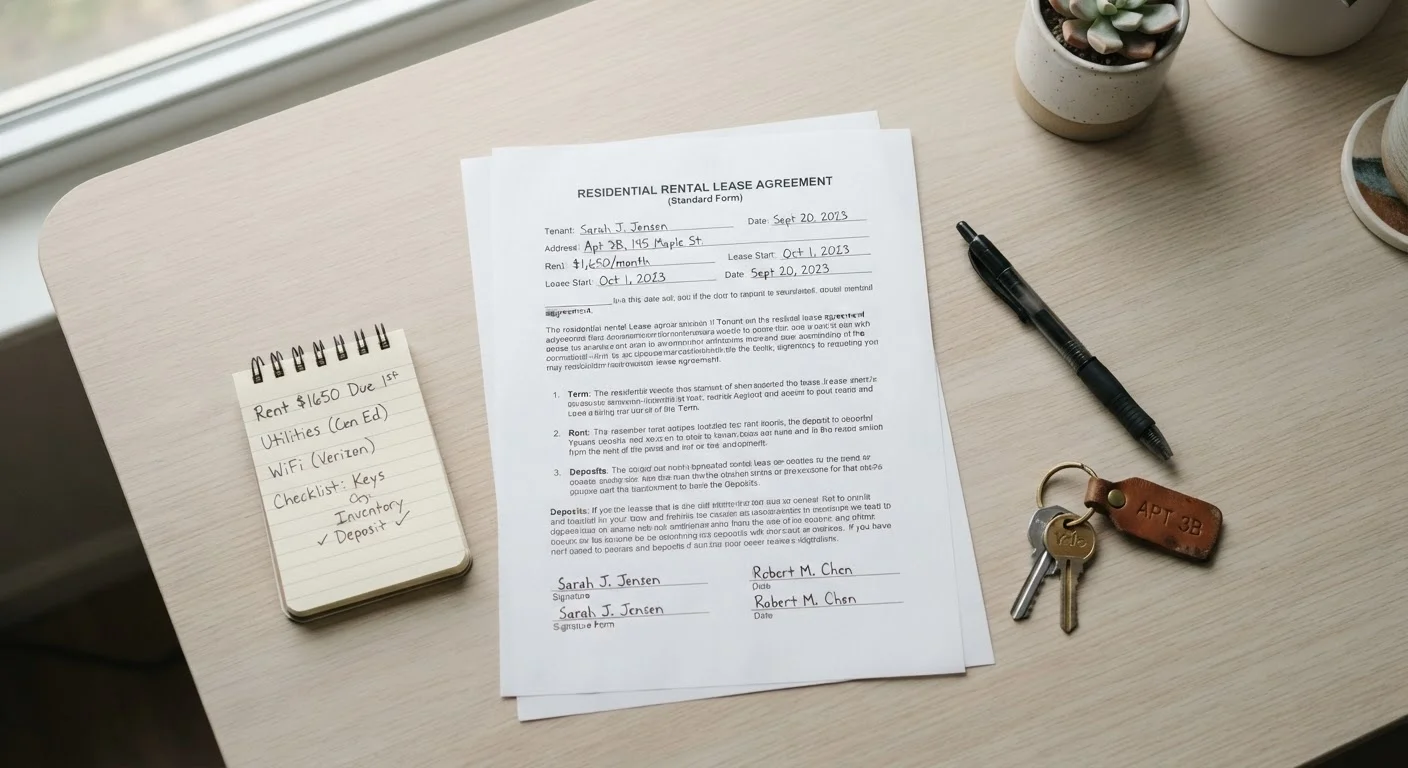
Photo credit: FaqInsider.com
In this article
From escrow to subletting to quiet enjoyment, this quick-reference glossary covers the rental terms that appear most in leases and disputes.
Why Renters Need to Know the Language
A lease is a legally binding contract, and the terminology inside it carries real financial and legal consequences. Tenants who recognize key terms are better equipped to spot unfair clauses, understand their obligations, and defend their rights when disputes arise. This glossary covers the words and phrases that appear most often in leases, eviction notices, and housing disputes across the U.S.
For a deeper look at the protections the law already provides you, see renter protections most tenants overlook. And if you want a clause-by-clause walkthrough of a typical lease, this lease explainer breaks down what each section actually means.
| Security deposit limit (common) | 1-2 months' rent (Varies by state law; no federal cap exists) |
| Notice required to end month-to-month tenancy | Typically 30 days (State law governs; some require 60 days) |
| States with rent control laws | Fewer than 10 states (National Multifamily Housing Council, general reference) |
| Implied warranty of habitability | Recognized in nearly all U.S. states (Established through state statute or case law) |
| Security deposit return deadline (typical range) | 14-45 days after move-out (Deadline varies widely by state) |
Core Rental Terms Defined
The terms below cover the concepts renters encounter from application through move-out. Use this as a reference any time unfamiliar language appears in your lease or a notice from your landlord.
Security Deposit
A sum paid upfront by the tenant, held by the landlord to cover unpaid rent or damages beyond normal wear and tear. Most states cap the amount and require its return within a set deadline after move-out.
Implied Warranty of Habitability
A legal doctrine requiring landlords to maintain rental units in a condition fit for human living - functioning heat, plumbing, and structurally safe conditions. It exists in nearly every U.S. state regardless of what the lease says.
Quiet Enjoyment
A tenant's right to occupy the rental without interference from the landlord. This includes freedom from harassment, unlawful entry, or actions intended to force the tenant to leave.
Subletting
When a tenant rents all or part of their unit to another person (a subtenant) while still remaining legally responsible to the landlord under the original lease. Many leases require written landlord approval.
Holdover Tenancy
A situation where a tenant continues to occupy the unit after the lease term ends without signing a new agreement. The landlord may choose to accept rent and create a month-to-month tenancy, or pursue eviction.
Rent Escrow
A legal remedy in some states allowing tenants to pay rent into a court-supervised account rather than directly to the landlord when serious habitability issues go unaddressed. The funds are released once repairs are made.
Constructive Eviction
Occurs when a landlord's failure to maintain habitable conditions effectively forces a tenant to vacate. Courts may treat this as an eviction in law, potentially relieving the tenant of further rent obligations.
Notice to Quit
A formal written notice from a landlord informing a tenant to vacate or correct a lease violation within a specified period. It is usually a required first step before filing for eviction in court.
Month-to-Month Tenancy
A rental arrangement with no fixed end date that automatically renews each month. Either party can typically end it with proper written notice, commonly 30 days, though state law varies.
Normal Wear and Tear
Minor deterioration of a rental unit that results from ordinary, everyday use - such as small nail holes or faded paint. Landlords generally cannot deduct security deposit funds for this type of condition.
Lease Addendum
A written attachment that modifies or adds specific terms to a lease agreement, such as pet policies, parking rules, or utility responsibilities. Addenda are legally binding when signed by both parties.
Retaliatory Eviction
An illegal attempt by a landlord to evict a tenant in response to the tenant exercising a legal right, such as filing a housing complaint or requesting repairs. Most states prohibit this practice.
Laws Vary Significantly by State
Rental law in the U.S. is primarily governed at the state level, and local ordinances can add additional layers. Terms like 'notice to quit' periods, deposit return deadlines, and rent control eligibility differ substantially from one jurisdiction to another. Always verify how a term applies in your specific state before taking action.
Understanding the difference between a fixed-term lease and a month-to-month tenancy matters most when life changes - a job relocation or unexpected financial hardship. Fixed-term leases lock both parties in for a set period (commonly one year). Breaking one early typically triggers an early termination fee or continued rent liability until the unit is re-rented, depending on state law.
Similarly, subletting sounds straightforward but creates a layered legal relationship. The original tenant remains on the hook to the landlord even if the subtenant stops paying. Always get written landlord approval and document everything before handing over keys to someone else.
The concept of constructive eviction is among the most misunderstood. Tenants cannot simply stop paying rent because conditions are poor - legal remedies like rent escrow or official complaints generally must be pursued first. Consult a local tenant's rights organization or legal aid office before acting on habitability concerns. For a broader look at what's covered in the full arc of a tenancy, the complete renter's roadmap walks through every phase.
Terms That Come Up During Disputes
Disputes between tenants and landlords often hinge on a handful of specific legal concepts. Knowing these in advance can prevent costly mistakes.
- Retaliatory eviction: If a landlord attempts to remove you shortly after you file a complaint or report a code violation, this may constitute illegal retaliation. Document the timeline carefully and contact a local housing authority.
- Notice to quit: This document starts the eviction clock. Read it carefully - the stated violation and the required response window determine what options remain. Ignoring it accelerates the process.
- Normal wear and tear vs. damage: This distinction determines how much of your security deposit you recover. Faded paint and minor carpet wear are typically wear and tear; large stains, broken fixtures, or holes in walls are not. Take date-stamped photos at both move-in and move-out.
If your landlord is withholding a deposit improperly or failing to make required repairs, many states allow tenants to recover additional damages in small claims court - sometimes double or triple the withheld amount. State-specific rules govern these remedies, so verify what applies where you live.
This article provides general educational information about rental terminology and is not legal advice. For guidance specific to your situation, consult a licensed attorney or local legal aid organization.

Author
Real Estate Editorial Team
Real Estate Editorial Team is the collective byline for our editorial team and contributor network. Articles published under this byline or an editorial pen name are researched, written, and reviewed according to our editorial standards for clarity, consistency, and independence before publication.
View all articles →