
Your First Apartment Lease: What Every Clause Actually Means
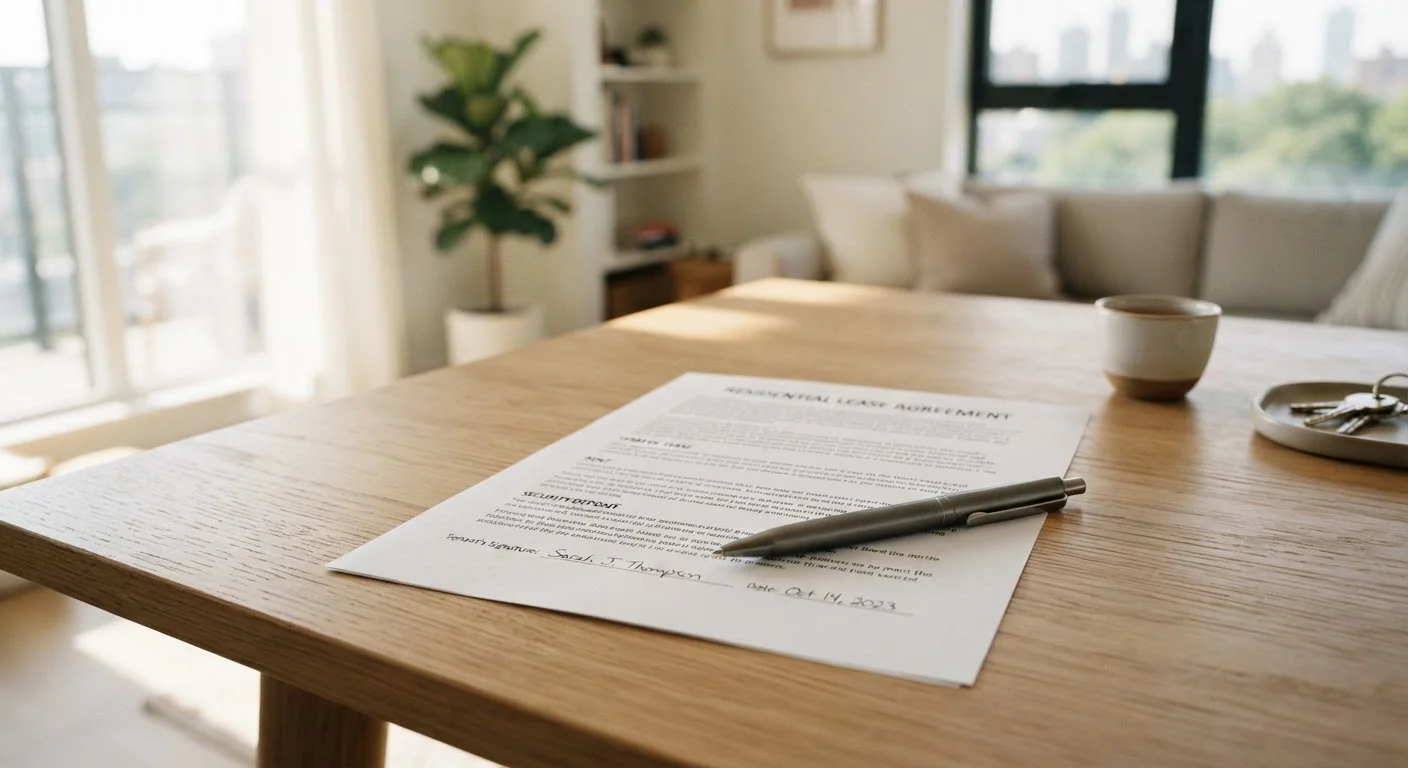
Photo credit: FaqInsider.com
In this article
Lease agreements are full of legal language. Here's a plain-English breakdown of the terms renters encounter most—and why they matter.
Key Takeaways
- A lease is a legally binding contract - every clause has real financial or legal consequences.
- Security deposit rules vary by state, but landlords generally must return funds within a set timeframe.
- Auto-renewal clauses can lock you into another term unless you give written notice by a specific deadline.
- Subletting restrictions and guest policies are enforceable and can be grounds for eviction.
- Early termination clauses define exactly what you'll owe if you need to leave before your lease ends.
- The implied warranty of habitability legally obligates landlords to maintain safe, livable conditions.
Why Your Lease Deserves a Close Read
A lease agreement is not a formality - it's a legally binding contract that governs where you live, how much you pay, and what happens when things go wrong. First-time renters often skim it under pressure to secure a unit quickly, a habit that can lead to costly surprises. See our guide to apartment hunting mistakes for how rushing the process compounds these risks.
Understanding each clause before you sign puts you in a far stronger position - legally and financially. This guide walks through the sections renters encounter most, in plain English.
The Core Terms: Rent, Duration, and Renewal
The lease will specify your monthly rent amount, the date it's due, and any grace period before a late fee applies. Note whether the lease states a flat late fee or a daily rate - the difference can be significant over time.
The lease term defines your start and end dates. A standard residential lease runs 12 months. Pay close attention to the renewal clause: many leases include an automatic renewal provision, which means if you don't provide written notice to vacate by a specific deadline - often 30 to 60 days before the end of your term - the lease rolls over for another full year. Missing that window can leave you legally obligated for months of rent you didn't intend to pay.
Security Deposits, Fees, and What They Cover
Your security deposit is held by the landlord to cover unpaid rent or damage beyond normal wear and tear. State law governs how much a landlord can collect (commonly one to two months' rent) and how long they have to return it after you move out - typically 14 to 30 days, depending on the state.
The lease should itemize any non-refundable fees, such as a pet fee or move-in administrative fee. These are separate from the deposit and are not returned. Read this section carefully: some landlords label fees as deposits, implying they're refundable when they aren't. For a deeper explanation of related terminology, see our renter's glossary of key terms.
Document the Unit Before Moving In
Take dated photos or video of every room, wall, appliance, and fixture the day you receive your keys. Share a copy with your landlord in writing and keep one for yourself. This visual record is your strongest protection against unfair security deposit deductions at move-out.
Maintenance, Repairs, and Habitability
Every residential lease in the U.S. is subject to the implied warranty of habitability - a legal standard requiring landlords to maintain the unit in a safe and livable condition, regardless of what the lease says. This covers functioning heat, plumbing, structural safety, and freedom from severe pest infestations.
The lease will typically assign routine maintenance responsibilities: tenants usually handle minor upkeep (replacing light bulbs, keeping the unit clean), while landlords handle structural and mechanical systems. Look for clauses that shift unusual repair costs onto you - these may conflict with your state's tenant protection laws.
Beware of 'As-Is' Maintenance Language
Some leases include clauses stating you accept the unit 'as-is' or waive the right to request repairs. In most states, such language cannot override the implied warranty of habitability - but it can still complicate disputes. If you see sweeping waiver language around repairs, consult a local tenant rights organization before signing.
Rules on Guests, Subletting, and Alterations
Guest policies in leases often specify how many consecutive nights a non-tenant may stay before they're considered an unauthorized occupant. Violating this clause can be grounds for a lease termination notice, so it's worth knowing the limit upfront.
Subletting - renting your apartment to someone else temporarily - is frequently prohibited without landlord approval. If you think you might need this flexibility, negotiate written permission before signing. Similarly, alterations clauses typically prohibit painting, drilling, or structural changes without consent. Some leases require you to restore the unit to its original condition at move-out, which can mean patching holes or repainting at your expense.
For a broader look at terms that can shift liability onto you, review red flags to watch for when signing a lease before you commit.
Early Termination and What It Really Costs
Life changes - job relocations, family circumstances, or financial shifts may require leaving before your lease ends. The early termination clause spells out exactly what you'll owe in that scenario. Common provisions include a flat penalty (often one to two months' rent), forfeiture of the security deposit, or liability for rent until a new tenant is found.
Some states require landlords to make a reasonable effort to re-rent the unit and limit how much they can collect from a departing tenant. Understanding this clause before a crisis arises - not during one - gives you time to plan or negotiate better terms at signing. If your lease lacks a clear early termination provision, ask for one in writing before you sign.
Frequently Asked Questions

Author
Real Estate Editorial Team
Real Estate Editorial Team is the collective byline for our editorial team and contributor network. Articles published under this byline or an editorial pen name are researched, written, and reviewed according to our editorial standards for clarity, consistency, and independence before publication.
View all articles →