
Building a Travel First Aid Kit Worth Packing
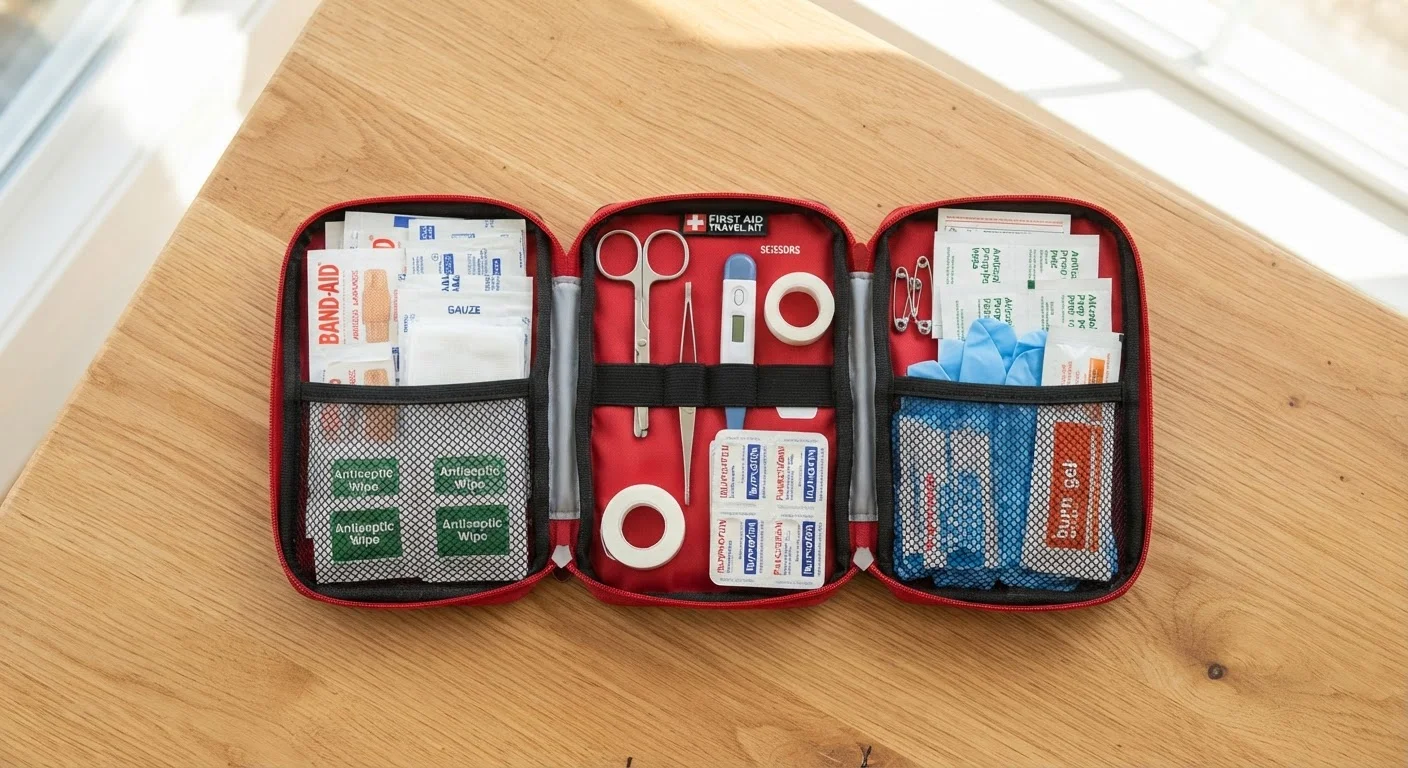
Photo credit: FaqInsider.com
In this article
A practical guide to assembling a compact, effective first aid kit for international and domestic travel—what to include and why each item matters.
Key Takeaways
- A travel first aid kit should be compact, lightweight, and tailored to your specific destination and trip length.
- Prescription medications and personal health needs always take priority over generic kit contents.
- TSA rules and airline regulations affect what you can carry on versus check; plan accordingly.
- Having basic wound care, blister treatment, and digestive aids covers the most common travel ailments.
- Verify entry requirements and health regulations with official sources before finalizing your kit.
Why a Custom Kit Beats a Store-Bought One
Pre-assembled travel first aid kits look convenient on the shelf, but they rarely match your actual needs. They often include duplicates of items you already carry and skip things specific to your destination, health profile, or trip style. Building your own kit from scratch takes an extra hour but produces something genuinely useful rather than a box of mostly-untouched supplies.
The goal isn't to replicate a hospital bag - it's to handle the most likely problems: blisters from walking, minor cuts, stomach upset, headaches, sunburn, and allergic reactions. Everything beyond that is a thoughtful layer on top.
If you're heading abroad for the first time, our guide for first international trips covers health prep alongside visas, currency, and other pre-departure essentials. And if your trip involves a long-haul flight, what to keep in your carry-on for mid-flight health situations is worth reading alongside this checklist.
Clear zip-top pouch or hard-shell first aid case
Keeps all kit contents organized, visible, and easily identifiable during security checks.
Prescription medications (in original labeled containers)
Ensures you have your personal medications on hand and can satisfy customs or health authority requirements abroad.
Compact digital thermometer
Allows accurate fever monitoring when you're unwell and far from a clinic.
Oral rehydration salts (ORS) packets
Rapidly restores electrolytes lost to illness, heat, or physical exertion.
Travel-sized sunscreen (SPF 30+)
Provides essential UV protection for outdoor and beach destinations.
How to Use This Checklist
Work through each group below before you pack. Check items you already have, flag gaps you need to fill, and cross off anything irrelevant to your trip. For instance, altitude sickness medication matters for trekking in the Rockies or Andes but is unnecessary for a beach resort trip. Let your destination and activities drive your decisions.
Prescription Medications Come First
Before filling any other section of your kit, ensure you have an adequate supply of all prescription medications - typically enough for your trip plus a few days' buffer in case of delays. Carry them in their original pharmacy-labeled containers and bring a copy of the prescription or a letter from your prescribing physician. Some medications commonly used in the U.S. are restricted or prohibited in other countries; always verify this with your destination's official embassy or health authority website before you travel.
All medical items should be stored in a clear, zip-top pouch or a dedicated hard-shell case with a first aid symbol, making it easy for security to identify and for you to access quickly. Keep prescription medications in their original labeled containers and carry a copy of your prescription or a doctor's note, especially for international travel. Verify what's allowed at your destination, as some medications legal in the U.S. are controlled or restricted elsewhere - always check with official government sources before you travel.
Wound Care
Blister & Skin Care
Pain Relief & Fever
Digestive Health
Allergy & Respiratory
Tools & Extras
Smart Packing Tips to Keep It Lean
The number one reason travelers leave their kit at home is that it's too bulky. Ruthlessly minimize by choosing multi-use items: a bandana serves as a sling, sun protection, or a tourniquet in a pinch. Travel-sized packets of antiseptic wipes take up far less space than a bottle of antiseptic liquid. Consolidate pill quantities into small labeled bags rather than carrying full bottles.
Weight and space aside, consider your budget. A thoughtfully assembled kit doesn't require spending a lot. Stretching your travel dollars is a mindset that applies to your gear just as much as your flights and accommodations - prioritize what you'll genuinely use over what feels reassuring to pack.
Finally, refresh your kit after every trip. Restock used items, check expiration dates, and reconsider what was useful versus dead weight. Over time you'll dial in a kit that's perfectly calibrated to how you travel.
This article is for general informational purposes only and does not constitute medical advice. Consult a qualified healthcare professional before travel, particularly regarding medications, vaccines, or any personal health concerns. Always verify entry and health requirements with official government and health authority sources before your trip.

Author
Travel Editorial Team
Travel Editorial Team is the collective byline for our editorial team and contributor network. Articles published under this byline or an editorial pen name are researched, written, and reviewed according to our editorial standards for clarity, consistency, and independence before publication.
View all articles →