
Jet Lag, Motion Sickness, and Altitude: Managing Your Body Across Environments
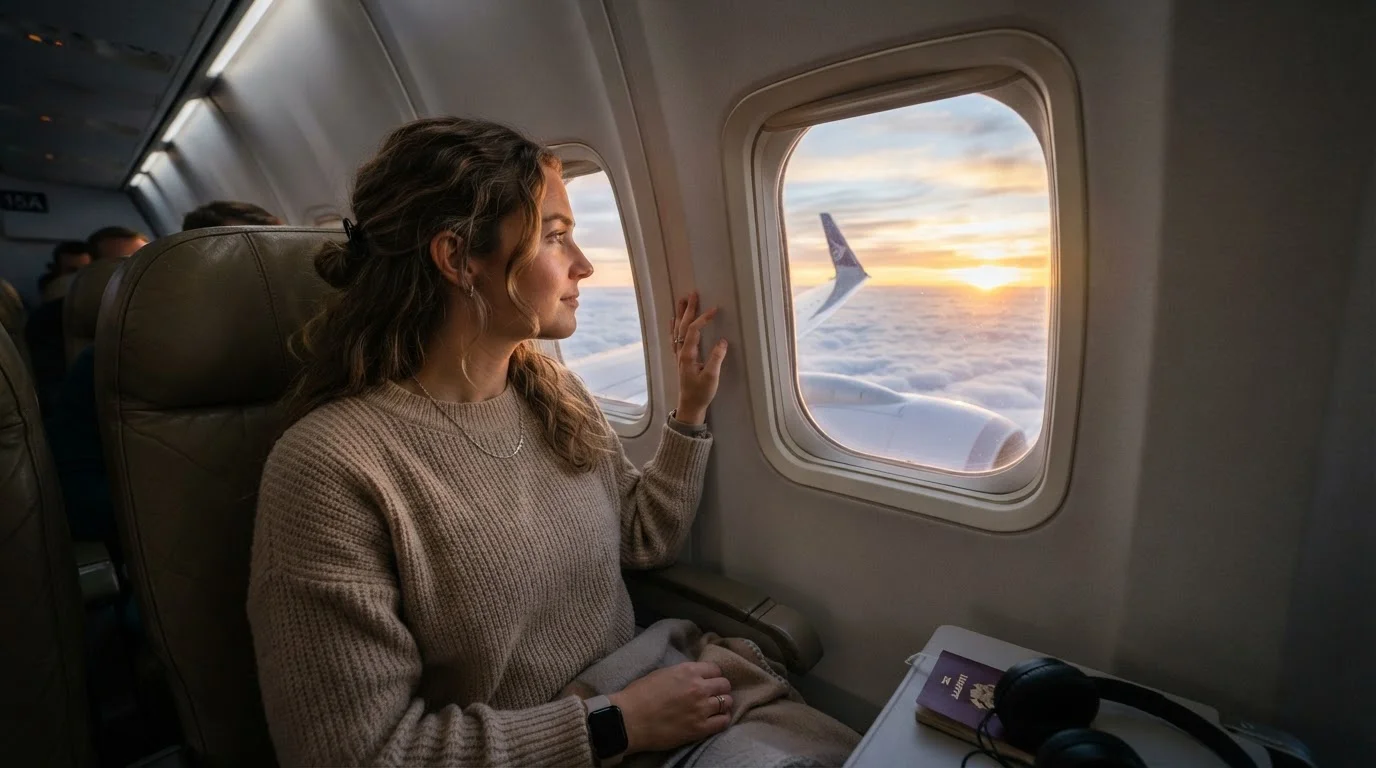
Photo credit: FaqInsider.com
In this article
An educational look at how major environmental changes affect the body during travel and general strategies health professionals suggest for adjustment.
Key Takeaways
- Jet lag, motion sickness, and altitude sickness are distinct conditions with different causes and management strategies.
- Gradual acclimatization is the most widely recommended approach for altitude-related symptoms.
- Staying hydrated and well-rested before and during travel supports adaptation to multiple environmental changes.
- People with chronic health conditions should consult a healthcare provider before traveling to high-altitude or demanding destinations.
- Symptoms that are severe, persistent, or worsening always warrant medical attention - do not ignore them.
Jet Lag: When Your Internal Clock Disagrees With the Local Time
Your body runs on an internal clock - the circadian rhythm - that regulates sleep, hunger, hormone release, and dozens of other functions. When you fly across multiple time zones rapidly, that clock stays anchored to your departure time while the outside world has moved on. The result is jet lag: fatigue, difficulty sleeping at the right times, brain fog, and sometimes digestive disruption.
Eastward flights tend to cause more pronounced symptoms because they require your body to advance its clock, which is generally harder than delaying it. Crossing five or more time zones in either direction almost always produces noticeable effects.
Health professionals commonly suggest these general strategies:
- Shift your sleep schedule gradually in the days before departure - by 30 to 60 minutes per day toward your destination's time.
- Seek light strategically. Morning sunlight at your destination helps advance your clock; evening light delays it. Knowing which direction you're traveling helps you use light exposure purposefully.
- Stay hydrated throughout the flight and limit alcohol and excessive caffeine, which can fragment sleep.
- Adapt to local meal and sleep times as soon as possible upon arrival rather than napping through the day.
If you manage ongoing health conditions that require time-sensitive medication, jet lag planning becomes more involved. Our guide to managing chronic conditions while traveling covers medication timing and other logistics in detail.
Try the 'Light Anchor' Technique for Jet Lag
Before an eastward flight, try going to bed and waking up one hour earlier each day for two or three days. After landing, get outdoors in natural morning light as early as possible - sunlight is the most powerful signal your circadian clock receives. Avoid bright screens late at night local time during your first few days.
Motion Sickness: A Sensory Mismatch Your Brain Didn't Sign Up For
Motion sickness happens when sensory inputs conflict. Your inner ear detects movement while your eyes - fixed on the interior of a car, cabin, or ship - report stillness. That mismatch triggers nausea, dizziness, sweating, and sometimes vomiting. It's more common in children but affects people of all ages.
Context matters: winding mountain roads, rough ocean swells, and low-visibility airplane turbulence are among the most common triggers. Reading or looking at a screen while in motion significantly amplifies symptoms for many people.
Practical steps that may help:
- Positioning: Sit where movement is least pronounced - the front seat of a car, over the wing in a plane, or midship on a boat at waterline level.
- Visual anchoring: Focus on a stable point on the horizon rather than interior surfaces.
- Fresh air: Adequate ventilation, where possible, can ease nausea.
- Ginger: Some research suggests ginger may reduce nausea for some people, though evidence is not definitive.
Over-the-counter and prescription options exist for motion sickness prevention. A pharmacist or physician can help you understand what options may be appropriate given your health profile - especially if you're pregnant, traveling with children, or taking other medications.
Motion Sickness and Anxiety Can Overlap
For some travelers, anticipatory anxiety about getting sick can amplify actual motion sickness symptoms - and vice versa. If this is a recurring challenge for you, grounding techniques for acute anxiety may be a useful complementary tool. Speak with a healthcare provider if motion sickness is significantly limiting your travel.
Altitude Sickness: What Happens When the Air Thins Out
At high elevations, atmospheric pressure drops, which means each breath delivers less oxygen. For most people, noticeable effects begin above about 8,000 feet - destinations like Denver sit right at that threshold, while popular trekking and ski destinations can reach 10,000 to 17,000 feet or higher.
Acute mountain sickness (AMS) is the most common form. Symptoms include headache, fatigue, nausea, dizziness, and difficulty sleeping. These often appear within hours of arriving at altitude and can range from mild to debilitating.
The single most effective prevention strategy is gradual ascent. Spending one or two nights at an intermediate elevation before pushing higher gives your body time to produce more red blood cells and adjust to reduced oxygen. The general guideline many mountaineers follow: above 8,000 feet, limit sleeping-elevation gain to about 1,000 feet per day.
Other commonly recommended practices include:
- Avoiding alcohol and sedatives in the first 48 hours at altitude, as they suppress breathing during sleep.
- Staying well-hydrated - altitude increases fluid loss through respiration.
- Recognizing that fitness level does not protect against AMS; even highly conditioned athletes can be affected.
More serious altitude illnesses - high-altitude pulmonary edema (HAPE) and high-altitude cerebral edema (HACE) - are medical emergencies. Symptoms include severe shortness of breath at rest, persistent cough, confusion, or loss of coordination. Immediate descent and emergency medical care are required. If you have cardiovascular or respiratory conditions, consult your doctor before planning any high-altitude trip.
~25%
Travelers affected by acute mountain sickness
Estimates from altitude medicine literature suggest roughly one in four travelers to elevations above 8,000 feet experience some degree of AMS symptoms.
1 in 3
People susceptible to motion sickness
Research in vestibular medicine suggests approximately one-third of the general population is highly susceptible to motion sickness under sufficiently provocative conditions.
~1 day per time zone
Common jet lag recovery estimate
Many sleep researchers use roughly one day of adjustment per time zone crossed as a general rule of thumb, though individual variation is significant.
Planning a high-altitude destination as part of a broader trip? Our trip planning hub offers practical frameworks for building in acclimatization time alongside other logistics.
Putting It All Together: A Practical Mindset for Environmental Adaptation
Jet lag, motion sickness, and altitude sickness are separate challenges, but they share a common thread: the body needs time to adjust to conditions outside its normal range. Respecting that adjustment window - rather than pushing through it - tends to produce better outcomes and a more enjoyable trip.
A few general principles apply across all three:
- Plan for the transition, not just the destination. Build buffer days into your itinerary when possible.
- Prioritize sleep and hydration in the days before and during travel.
- Know your personal baseline. People vary significantly in their sensitivity to each of these conditions.
- Don't ignore worsening symptoms. Each of these conditions has a range from mild to medically serious.
Travelers who are pregnant, elderly, traveling with young children, or managing ongoing health conditions face additional considerations. See our overview of health factors by life stage for guidance relevant to those groups.
Environmental adaptation isn't a reason to avoid ambitious travel - it's simply a reason to plan thoughtfully. With the right preparation, most travelers navigate these challenges successfully and arrive ready to explore.
This article is for general informational and educational purposes only and is not a substitute for professional medical advice. Always consult a qualified healthcare provider before making decisions about your health, especially when planning travel to challenging environments.
Frequently Asked Questions

Author
Travel Editorial Team
Travel Editorial Team is the collective byline for our editorial team and contributor network. Articles published under this byline or an editorial pen name are researched, written, and reviewed according to our editorial standards for clarity, consistency, and independence before publication.
View all articles →