
Mental Health on the Road: Why Travel Stress Is More Common Than People Admit
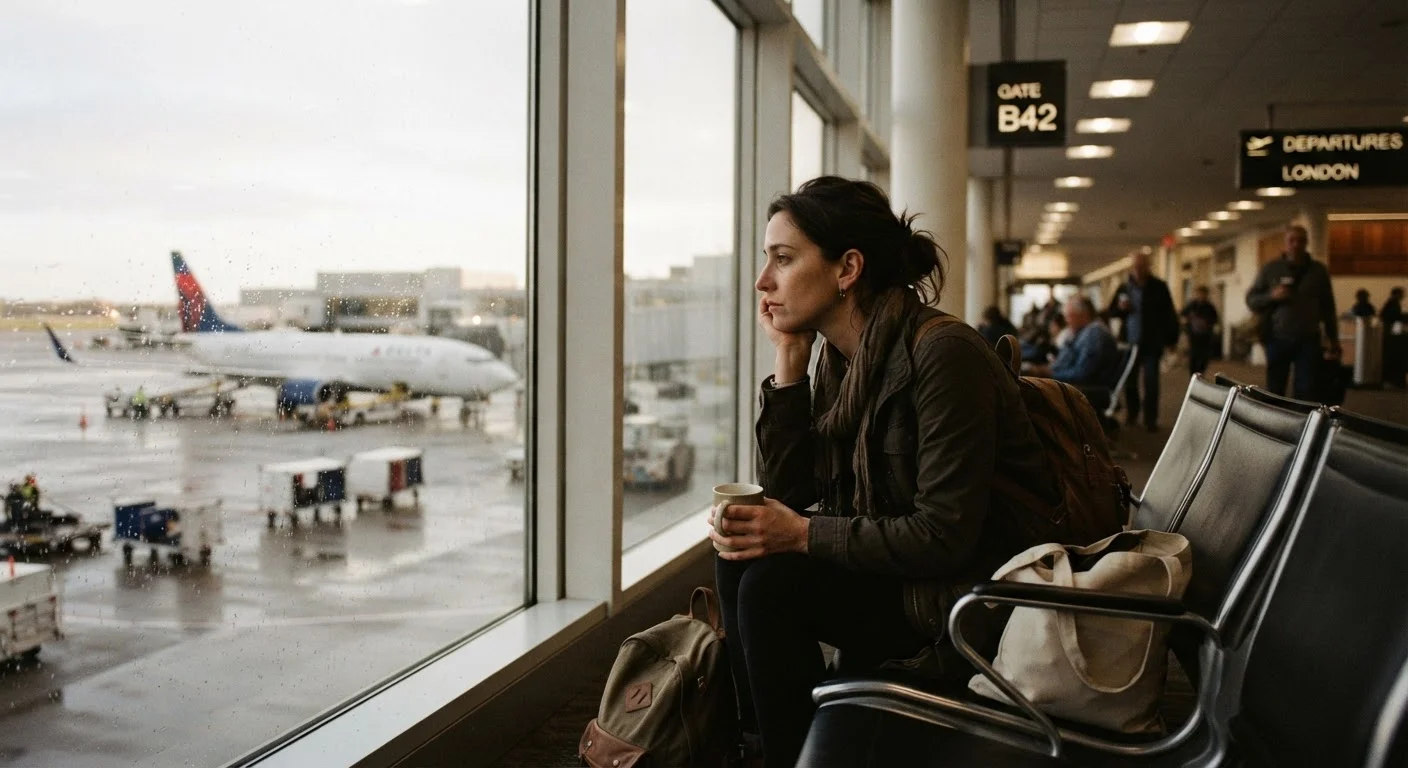
Photo credit: FaqInsider.com
In this article
Travel anxiety, disorientation, and burnout are real experiences often left undiscussed. Here's how to recognize and respond to them in a healthy way.
Key Takeaways
- Travel stress, anxiety, and burnout are genuine experiences - not signs of weakness or ingratitude.
- Common triggers include disrupted sleep, decision fatigue, language barriers, and social pressure to enjoy the trip.
- Recognizing your stress response early gives you more options for managing it effectively.
- Simple planning strategies can reduce the mental load of travel before you leave home.
- Travelers with existing mental health conditions should consult a healthcare provider before and during trips.
- Post-trip emotional flatness or exhaustion is a recognized phenomenon - not a character flaw.
The Hidden Emotional Weight of Travel
There's an unspoken rule about travel: you're supposed to love every minute of it. When the reality - missed connections, overwhelming crowds, homesickness, a body clock in revolt - doesn't match the Instagram version, many travelers blame themselves rather than acknowledging what's actually happening. Travel stress is real, it's common, and it often goes unnamed precisely because it feels ungrateful to admit.
The truth is that travel places significant demands on the human nervous system. You're navigating unfamiliar places, making constant decisions in new contexts, managing logistics under time pressure, and often doing all of this with disrupted sleep. That's a substantial mental load, regardless of how beautiful the destination is.
Understanding the emotional landscape of travel - what stress actually looks like on the road, what triggers it, and how to respond - is one of the most practical things you can do to protect your experience. For a broader look at how stress and anxiety relate to each other, this breakdown of anxiety vs. stress is a useful starting point.
Travel Stress Is Not a Character Flaw
Feeling stressed, anxious, or emotionally depleted during travel doesn't mean you're ungrateful or doing travel wrong. It means you're human. The cultural pressure to perform enjoyment can actually make stress worse by adding a layer of shame on top of the original feeling. Acknowledging what you're experiencing, without judgment, is the first practical step toward addressing it.
What Travel Stress Actually Looks Like
Travel stress doesn't always announce itself dramatically. More often it creeps in through irritability, difficulty concentrating, physical tension, or an inexplicable urge to just go home. Common manifestations include:
- Decision fatigue: The cumulative exhaustion of making constant small choices - where to eat, which route to take, how to communicate - can leave travelers mentally depleted by mid-afternoon.
- Social pressure: Traveling with others adds a relational dimension to every decision. Differing preferences, energy levels, and expectations are a frequent source of friction.
- Disorientation: Language barriers, unfamiliar currency, and different social norms require sustained cognitive effort that's easy to underestimate.
- Sleep disruption: Even without crossing time zones, sleeping in new environments, noisy accommodations, or irregular schedules disrupts rest. Poor sleep and mental health reinforce each other - see how sleep deprivation and mental health interact for context.
When these stressors accumulate without recovery time, travelers can tip into burnout - a state of emotional exhaustion distinct from ordinary tiredness. Recognizing where you fall on that spectrum matters because the responses are different. Signs your stress has crossed into burnout offers a useful reference.
1 in 6
Adults experience a mental health problem in any given week
According to the Mental Health Foundation, mental health challenges are pervasive in general populations - and travel does not exempt people from them.
~40%
Travelers report meaningful pre-trip anxiety
Various consumer surveys have found a significant proportion of travelers experience notable anxiety before and during trips, though estimates vary by study and methodology.
3+ days
Typical jet lag adjustment window
Sleep researchers generally note it takes roughly one day per time zone crossed to adjust circadian rhythms, with sleep disruption worsening mood and cognitive function during that period.
Practical Ways to Protect Your Mental Health While Traveling
Managing travel stress starts before you leave home. Uncertainty is one of the biggest drivers of anxiety, and good preparation shrinks the unknown. Trip-planning habits that hold up across any destination covers planning approaches that consistently reduce stress regardless of where you're headed.
On the road, a few practical habits make a meaningful difference:
- Build in buffer time. Tight itineraries with no slack for delays or rest breed anxiety. A lighter schedule often produces richer experiences anyway.
- Protect sleep as a priority. If you've crossed time zones, acknowledge the adjustment period rather than pushing through it. Fatigue amplifies every other stressor.
- Maintain at least one familiar routine. Whether it's a morning walk, a specific meal pattern, or a nightly check-in call with someone at home, anchoring points reduce the disorientation of constant novelty.
- Know your limit for stimulation. Some travelers thrive on packed days; others need quiet afternoons to reset. Neither is wrong - ignoring your own pattern is where trouble starts.
Travelers managing ongoing health conditions - including mental health conditions - face additional planning considerations. Managing a chronic condition while traveling covers documentation, medication logistics, and other practical factors worth addressing in advance.
“Vacation is supposed to mean rest, but for many people it's just stress in a more photogenic location. The gap between the trip they imagined and the trip they're having is where a lot of mental health struggles start.”
— Travel Editorial Team, Editorial observation based on widely reported traveler experiences
Coming Home: The Stress Nobody Talks About
The end of a trip doesn't always mean the end of travel stress. Many travelers experience a period of emotional flatness, restlessness, or low mood after returning - sometimes called post-travel depression. It's not a clinical diagnosis, but it's a widely recognized phenomenon: the contrast between the heightened stimulation of travel and the ordinary rhythms of daily life can feel jarring.
This kind of re-entry stress is often worsened by returning to a backlog of work, social obligations, and the loss of the sense of purpose and novelty that travel provides. Knowing it can happen is itself useful - it helps you frame the feeling as temporary adjustment rather than something fundamentally wrong.
If low mood, anxiety, or emotional exhaustion persists well beyond the transition period, or if these feelings are intense enough to interfere with daily functioning, consulting a qualified mental health professional is the right step. General information on recognizing patterns worth paying attention to can be found in patterns that quietly erode mental well-being over time.
This article is for general informational and educational purposes only and is not a substitute for professional mental health advice, diagnosis, or treatment. If you are experiencing significant distress, please consult a qualified healthcare provider.
Frequently Asked Questions

Author
Travel Editorial Team
Travel Editorial Team is the collective byline for our editorial team and contributor network. Articles published under this byline or an editorial pen name are researched, written, and reviewed according to our editorial standards for clarity, consistency, and independence before publication.
View all articles →