
What Travelers Often Get Wrong About Airport Security and Personal Safety
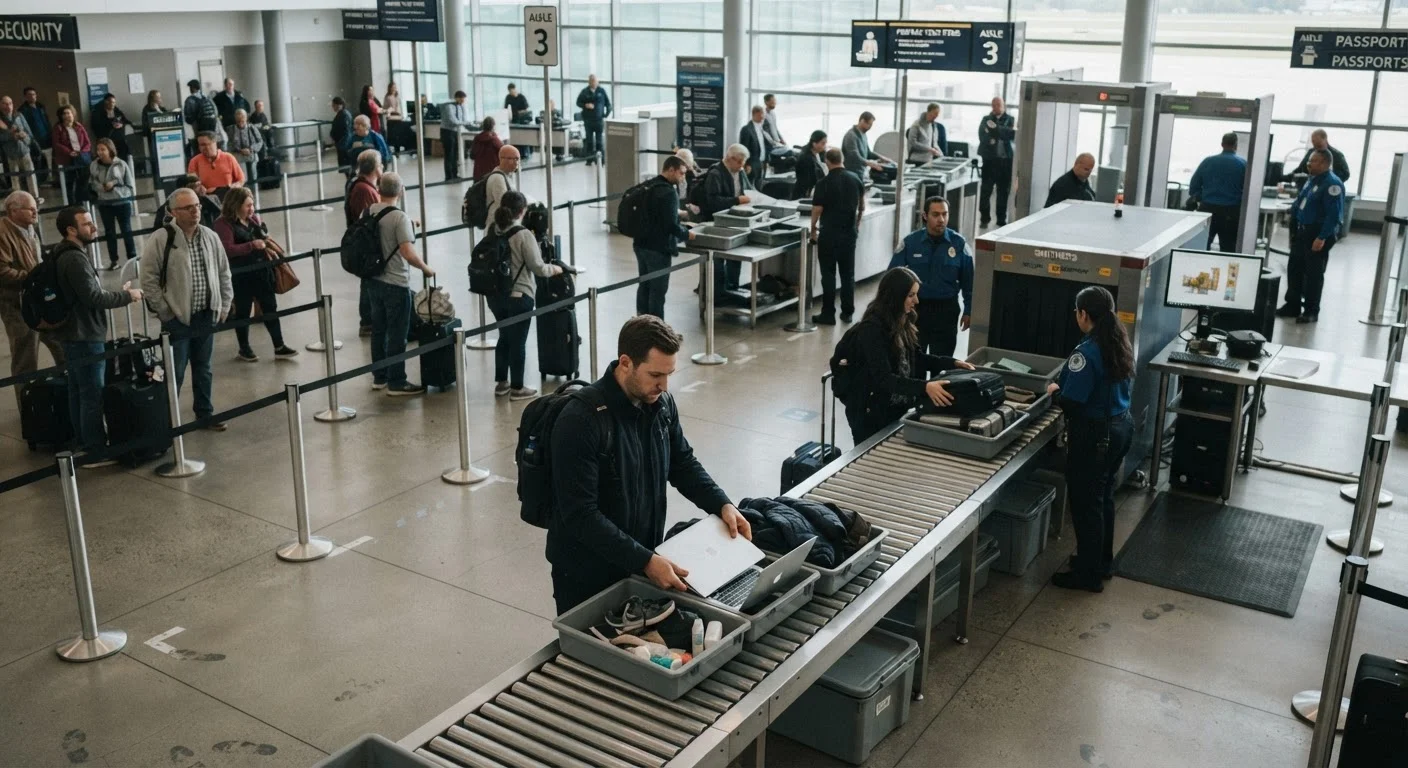
Photo credit: FaqInsider.com
In this article
From oversharing itineraries to ignoring luggage safety, these common oversights can put travelers at unnecessary risk.
Key Takeaways
- Oversharing travel plans publicly can make you a target for theft or scams.
- Unlocked or loosely packed luggage is an easily preventable vulnerability.
- Rushing through security often leads to forgotten valuables left in trays.
- Free airport Wi-Fi without a VPN exposes your personal data to interception.
- Assuming airport security handles all your safety needs leaves real gaps in protection.
Why Airport Security Feels Safer Than It Actually Is
Airports have uniformed officers, bag scanners, and ID checks at every turn - and that visible structure gives most travelers a comforting sense that everything is handled. The problem is that this sense of security can make people drop their guard precisely when they should stay alert. Thieves and opportunists know airports well; they count on distracted, jet-lagged travelers letting their attention slip.
The misconceptions travelers carry into the terminal aren't about ignorance - they're about misplaced confidence. Understanding where the real vulnerabilities sit helps you travel smarter without becoming anxious or paranoid. Think of it as situational awareness rather than suspicion.
For a broader look at safety habits that travel experts recommend, the solo travel safety guide offers practical, evidence-informed practices that apply whether you're flying alone or with a group.
Leaving valuables unattended in security trays while rushing to collect bags.
Why it happens: The pressure to move quickly through the checkpoint pulls attention toward the conveyor belt exit, not the tray holding your phone or wallet.
Announcing travel plans and home vacancy on social media before or during a trip.
Why it happens: Sharing excitement about travel is natural, and most people underestimate how public their social profiles actually are to strangers.
Using unsecured public airport Wi-Fi for sensitive logins or transactions.
Why it happens: Free Wi-Fi feels like a convenience perk of modern airports, and the risk of network interception isn't visible or intuitive.
Packing passports and travel documents in checked luggage.
Why it happens: Checked bags feel more secure because they're out of sight, but they can be delayed, lost, or briefly accessed by unauthorized individuals.
Assuming all airport environments carry the same level of risk.
Why it happens: The standardized look of international airports creates an impression of uniform safety, but conditions vary significantly between terminals, cities, and countries.
Protecting Your Information and Valuables Before You Land
Security theater - the visible performance of safety - stops at the checkpoint. Once you're in the terminal or, more importantly, once you've announced your trip online, a different kind of risk kicks in.
~400M
U.S. air passengers annually
The Transportation Security Administration screens hundreds of millions of travelers each year, creating high foot traffic and consistent distraction opportunities for opportunistic theft.
1 in 4
Travelers who've experienced trip-related theft
Travel industry surveys consistently find that a significant share of travelers report some form of theft or loss during trips, with airports and transit hubs among the most common locations.
Oversharing your itinerary on social media is one of the most common and underappreciated mistakes travelers make. Broadcasting that your home will be empty, or that you're traveling with expensive gear, creates opportunity for both local and remote bad actors. Keep departure details private until after you're back.
Inside the terminal, free public Wi-Fi is convenient but potentially risky. Without a VPN (Virtual Private Network - software that encrypts your internet connection), logging into email or banking apps on unprotected networks can expose your credentials. Using cellular data or a personal hotspot for sensitive tasks is a straightforward precaution.
Your luggage deserves attention too. Soft-sided bags with unsecured zippers can be opened and resealed quickly in crowded areas. TSA-approved locks, even on carry-on bags, add a meaningful deterrent. And always keep irreplaceable items - medication, travel documents, and electronics - in a bag that stays on your body. For more on protecting yourself from common travel crimes, see our guide on digital and physical security on the road.
Don't Rely Solely on TSA Locks for Security
TSA-approved locks can be opened by security agents using master keys - and those key designs have been publicly available since a data leak years ago. A TSA lock deters casual theft but is not a guarantee against determined tampering. For truly valuables, keep them in your carry-on within your line of sight at all times.
Finally, don't let trip-planning fatigue become a safety issue. Rushed, over-packed itineraries increase stress and reduce the mental bandwidth you need to stay aware. The itinerary planning mistakes guide walks through how poor scheduling can snowball into broader problems on the road.
This article provides general travel safety information for educational purposes. For destination-specific entry rules, health requirements, or advisories, always verify with official government sources and your travel provider before departing.

Author
Travel Editorial Team
Travel Editorial Team is the collective byline for our editorial team and contributor network. Articles published under this byline or an editorial pen name are researched, written, and reviewed according to our editorial standards for clarity, consistency, and independence before publication.
View all articles →