
Eating Well Abroad Without Draining Your Wallet
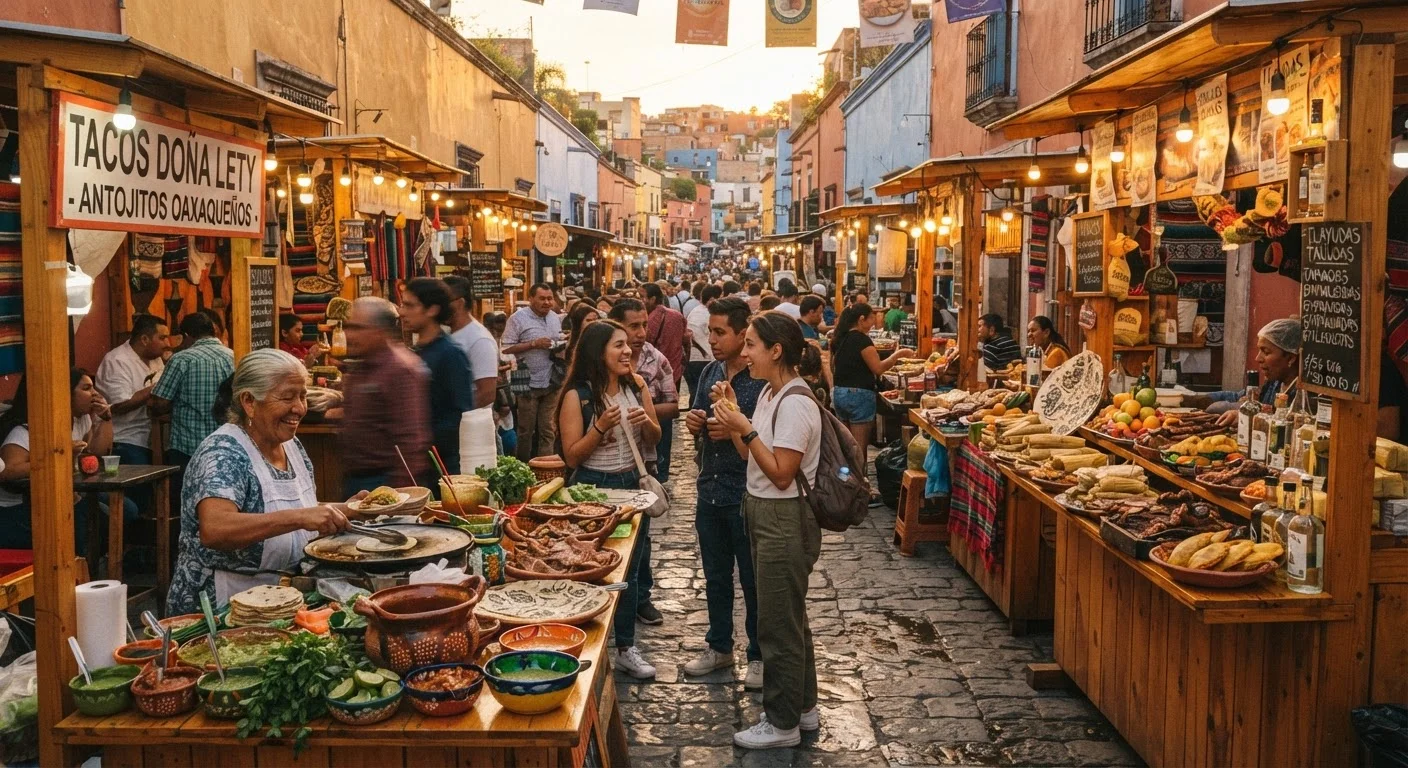
Photo credit: FaqInsider.com
In this article
Food is one of travel's great pleasures—and one of its sneakiest expenses. Practical strategies for eating authentically and affordably in unfamiliar places.
Key Takeaways
- Eating where locals eat almost always costs less than dining near tourist attractions.
- Markets, food halls, and lunch specials offer restaurant-quality food at a fraction of dinner prices.
- A small amount of pre-trip research on local food culture pays off in both savings and experience.
- Grocery stores and supermarkets are reliable, affordable options for breakfasts and snacks.
- Understanding how tipping and service charges work abroad prevents costly surprises on the bill.
Why Food Costs Spiral-and How to Stop It
Food is one of the few travel expenses that hits you multiple times a day. For many travelers, it's also the category most likely to blow a carefully planned budget. The culprits are predictable: meals near major landmarks, tourist-menu restaurants with photos on the signage, and the convenience trap of eating wherever you happen to be when hunger strikes.
The good news is that eating well abroad on a reasonable budget isn't about sacrifice-it's about strategy. Understanding a destination's food culture before you arrive is half the battle. For a fuller picture of how food fits into your overall spending plan, see our guide on building a realistic travel budget.
Eat the main meal of the day at lunch, not dinner.
Many restaurants worldwide offer set lunch menus-called 'prix fixe,' 'menú del día,' or similar-at significantly lower prices than evening à la carte service. The food is often identical in quality, sometimes coming from the same kitchen and chef.
Shop at local markets and supermarkets for breakfasts and snacks.
Hotel breakfasts and café pastries carry heavy markups. Grabbing fruit, yogurt, bread, or local snacks from a nearby market can cut your morning food costs dramatically while exposing you to ingredients you wouldn't otherwise try.
Follow the crowd to where locals actually eat.
Restaurants within a two-block radius of a major landmark typically charge a location premium. Moving even a short distance away-toward residential neighborhoods or business districts-usually reveals better food at lower prices.
Learn to read the local menu structure before you arrive.
Different food cultures have different norms around courses, service charges, and tipping. Misunderstanding the menu can lead to accidentally over-ordering or getting unexpected charges. A little pre-trip research prevents this.
Seek out food halls, covered markets, and canteen-style eateries.
These venues combine the quality and variety of restaurant cooking with market-stall prices. They're common across Asia, Europe, and Latin America, and are often where locals eat daily.
Carry a reusable water bottle and refill it where it's safe to do so.
Buying bottled water multiple times a day adds up quickly, especially in warm climates. In destinations with safe tap water, a refillable bottle eliminates this cost entirely.
Smart Habits That Stretch Every Food Dollar
The most effective money-saving food habits aren't about eating less-they're about eating smarter. Most destinations have deeply embedded local food cultures that are both authentic and affordable. Tapping into them requires a bit of intention and a willingness to step off the main tourist drag.
One often-overlooked consideration: knowing where food costs quietly pile up can be just as valuable as knowing where to find deals. Our article on where budget travelers consistently overspend covers some of the sneakiest culprits.
Safety, Quality, and Knowing What You're Eating
Eating affordably abroad doesn't mean ignoring food safety. Busy street stalls with high turnover are generally considered safer than quiet ones with food sitting out, because ingredients are prepared fresh and replenished constantly. Use your eyes: watch where locals are eating and what they're ordering.
If you're unsure about tap water quality in a given destination, stick to bottled or filtered water and be mindful of ice in drinks. For a nuanced look at what food safety risks abroad are real versus overstated, check out food and water safety abroad.
Food Safety Varies Significantly by Destination
What's safe to eat and drink varies widely depending on where you're traveling. Always check current guidance from your government's official travel advisory and consult a healthcare provider before departure if you have specific health concerns. General tips in this article are not a substitute for destination-specific advice.
When in doubt about any health concern while traveling, consult a qualified healthcare professional - this article is general travel information, not medical advice.

Author
Travel Editorial Team
Travel Editorial Team is the collective byline for our editorial team and contributor network. Articles published under this byline or an editorial pen name are researched, written, and reviewed according to our editorial standards for clarity, consistency, and independence before publication.
View all articles →