
Food and Water Safety Abroad: Separating Myth from Medical Reality
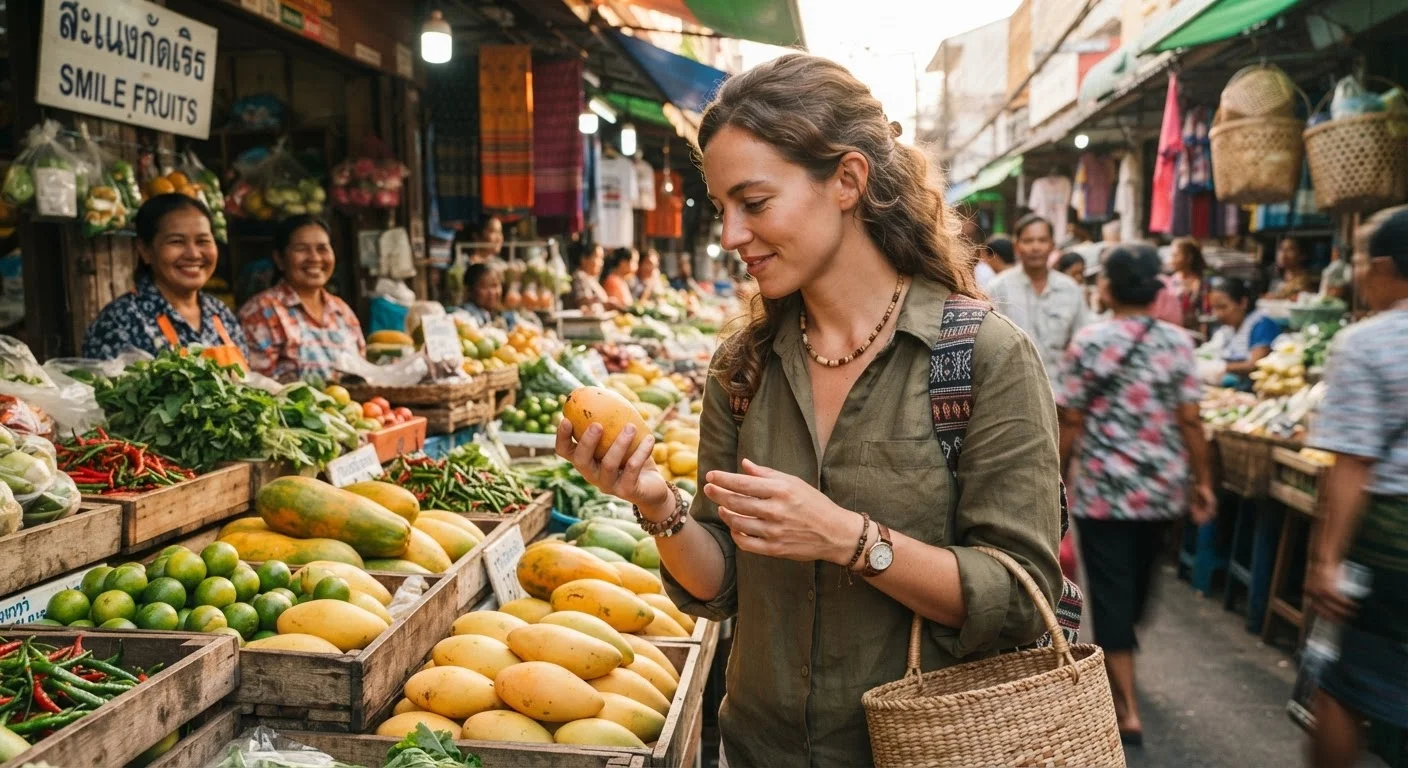
Photo credit: FaqInsider.com
In this article
Common travel food-safety beliefs tested against what health authorities actually recommend. Know what risks are real and which ones are overblown.
Key Takeaways
- Tap water safety varies widely by destination; always verify with official sources before drinking.
- Bottled water is not automatically safer-sealed packaging and source credibility both matter.
- Street food can be safer than restaurant food when it's freshly cooked to high heat.
- Alcohol does not reliably kill waterborne pathogens in drinks or ice.
- Traveler's diarrhea is common but largely preventable with consistent hygiene habits.
- See a healthcare provider before travel to get destination-specific food and water guidance.
Why Food and Water Myths Spread So Easily Among Travelers
When you get sick abroad, it's human nature to pinpoint what you ate last-even if the culprit was actually something from two days prior. That gap between exposure and symptoms is one reason food and water safety myths flourish among travelers. Well-meaning advice passes from friend to friend, often without any medical basis, and those stories stick because illness abroad feels so vivid and personal.
The result is a muddled mix of genuinely useful caution and outdated folklore. Some travelers avoid all local food and miss incredible culinary experiences for no real protective benefit. Others dismiss legitimate risks because they've "eaten street food everywhere and been fine." Neither extreme serves your health.
Understanding what health authorities actually recommend-rather than what's been passed around hostel common rooms-lets you make smarter choices. For a broader look at where travelers tend to slip up, see what travelers consistently get wrong about food and water safety.
Myth
Alcohol in your drink kills any pathogens in the ice or water used to make it.
Fact
Standard drink alcohol concentrations are far too low to reliably disinfect contaminated water or ice.
The concentration of ethanol required to kill common waterborne pathogens like E. coli or Giardia is significantly higher than what's present in a cocktail, beer, or even a shot. If contaminated ice was used or the glass was rinsed with unsafe tap water, the alcohol in your drink provides essentially no protection. Travel medicine guidelines consistently recommend avoiding ice made from unknown water sources in high-risk destinations, regardless of what's mixed with it.
Myth
Street food is inherently more dangerous than food served in sit-down restaurants.
Fact
Cooking method and food turnover matter far more than the setting where food is prepared.
Food cooked to high heat and served immediately-a common feature of busy street stalls-can be considerably safer than buffet or restaurant food that's been held at lukewarm temperatures for extended periods. The Centers for Disease Control and Prevention (CDC) notes that the most important factors are whether food is cooked thoroughly and served hot, not whether it comes from a cart or a kitchen. Observing a busy stall where food is prepared fresh in front of you is often a reasonable indicator of lower risk.
Myth
Bottled water is always safe to drink anywhere in the world.
Fact
Bottled water quality varies; tampered, counterfeit, or locally refilled bottles exist in some markets.
While sealed, commercially produced bottled water is generally reliable, reports from various destinations have documented bottles refilled with tap water and resealed, as well as inconsistent quality control from smaller local producers. Check that the seal is intact before opening, and in destinations with known counterfeiting concerns, opt for well-known brands purchased from established retailers. Carbonated water in sealed bottles is somewhat harder to counterfeit convincingly, which is why some travel medicine providers mention it as an additional option.
Myth
You can tell if water is safe to drink by how it looks, smells, or tastes.
Fact
Many dangerous pathogens and contaminants leave water looking, smelling, and tasting completely normal.
Bacteria, viruses, and parasites such as Cryptosporidium are invisible to the naked eye and often odorless and tasteless. Chemical contaminants like nitrates or certain heavy metals also go undetected by the senses. The only reliable methods of determining water safety are testing or treating it through boiling, filtration, UV purification, or chemical treatment-not sensory evaluation. Clear, cold-looking water from a mountain stream carries the same caveat.
Myth
Traveler's diarrhea is just an inevitable part of international travel.
Fact
While common, traveler's diarrhea is largely preventable through consistent hygiene and food choices.
Traveler's diarrhea affects a significant proportion of international travelers, but health authorities emphasize that it is not simply the cost of exploring the world. Rigorous hand hygiene, careful food and water selection, and-for some travelers in consultation with their doctor-preventive medications can substantially reduce risk. The CDC recommends that travelers to high-risk regions discuss preventive strategies and what to carry for self-treatment with a healthcare provider before departure, rather than treating illness as a foregone conclusion.
Myth
If locals eat it without getting sick, it's safe for you too.
Fact
Long-term residents often develop partial immunity to local pathogens that visitors simply don't have.
Repeated low-level exposure to endemic bacteria and parasites over years can confer a degree of acquired tolerance in local populations. This doesn't mean the pathogens are absent-it means locals' immune systems have adapted. Visitors arriving without that exposure are genuinely more vulnerable to the same food and water sources that cause no apparent illness in residents. This is one reason traveler's diarrhea disproportionately affects short-term visitors rather than people who have lived in a region for years.
Practical Habits That Actually Reduce Your Risk
Once you've sorted the myths from the medical reality, a few consistent habits cover the majority of your actual risk. Hand hygiene is the single most evidence-supported behavior: washing hands with soap and water-or using an alcohol-based sanitizer when soap isn't available-before eating and after using restrooms dramatically cuts pathogen transmission.
For water, the hierarchy recommended by travel medicine clinics is straightforward: commercially sealed beverages from reputable sources, water boiled vigorously for at least one minute (longer at high altitude), or water treated with a certified filter, UV purifier, or chemical treatment such as iodine or chlorine tablets. Ice in drinks deserves the same scrutiny as the water it was made from.
Don't Rely on Antibiotics as a Safety Net
Some travelers assume they can eat or drink anything and simply take antibiotics if they get sick. This approach contributes to antimicrobial resistance and isn't medically recommended as a routine strategy. Not all causes of traveler's diarrhea are bacterial-viruses and parasites won't respond to antibiotics at all. Discuss appropriate self-treatment options with your healthcare provider before departure rather than self-prescribing once abroad.
When it comes to food, the most protective mental model is temperature and freshness. Piping hot, freshly cooked food-whether from a restaurant kitchen or a street stall with a busy turnover-poses far less risk than buffet dishes that have been sitting at room temperature for hours. Peeling your own fruit is a reliable strategy. Salads washed in local tap water in high-risk destinations carry more risk than most travelers realize.
Budget-conscious travelers will be glad to know that eating safely doesn't require expensive restaurants. Eating well abroad without draining your wallet outlines practical approaches for finding authentic, affordable meals while keeping food safety principles intact. The key is observation: look for high customer turnover, visible cooking processes, and clean prep surfaces rather than assuming price equals safety.
This article provides general travel health information for educational purposes only and is not a substitute for personalized medical advice. Consult a qualified healthcare provider or a travel medicine specialist before your trip for guidance specific to your health history and destination.

Author
Travel Editorial Team
Travel Editorial Team is the collective byline for our editorial team and contributor network. Articles published under this byline or an editorial pen name are researched, written, and reviewed according to our editorial standards for clarity, consistency, and independence before publication.
View all articles →