
Why Your Travel Budget Keeps Running Out Before the Trip Ends
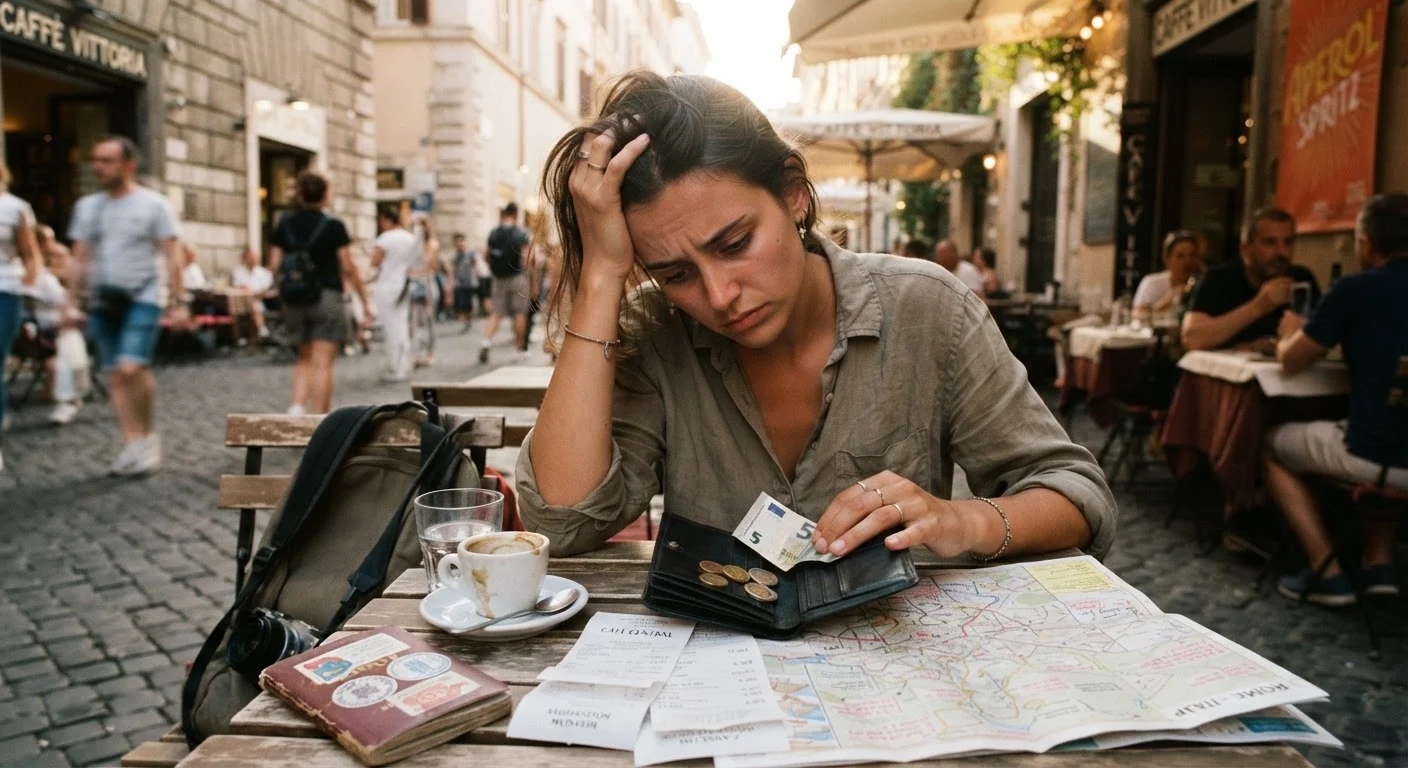
Photo credit: FaqInsider.com
In this article
Overlooked expenses catch even experienced travelers off guard. Learn which spending categories blow most travel budgets and how to account for them upfront.
Key Takeaways
- Most travel budgets fail because of predictable expense categories that travelers consistently underestimate or forget.
- Ground transportation, food overruns, and activity fees are the three biggest culprits draining trip funds early.
- Building a 10-15% contingency buffer into your travel budget significantly reduces the risk of running short.
- Reviewing your budget by day - not just by trip total - helps catch shortfalls before departure.
- Small, frequent purchases like snacks, tips, and souvenirs add up to hundreds of dollars over a week-long trip.
The Real Reason Your Budget Falls Apart Mid-Trip
You planned carefully. You booked flights and a hotel. You set a spending limit. And yet, by day four of a seven-day trip, your account balance is sending distress signals. Sound familiar?
The problem isn't that you spent recklessly - it's that most travel budgets are built around big-ticket line items and ignore the dozens of smaller costs that accumulate silently. As our guide to building a realistic travel budget explains, a solid plan accounts for flights, lodging, food, and the surprises - not just the first two.
Understanding where budgets break down is the first step toward keeping yours intact. Below are the most common mistakes travelers make - and exactly how to fix them before your next departure.
Budgeting only for major expenses and ignoring daily incidentals.
Why it happens: Travelers focus on the largest costs - flights and hotels - and assume smaller purchases won't add up. In reality, daily coffees, bottled water, snacks, tips, and convenience fees routinely total $30-$60 per day per person.
Underestimating local transportation costs at the destination.
Why it happens: Most people budget for getting to and from the destination but forget about getting around once they arrive. Taxis, rideshares, metro passes, ferry tickets, and parking fees are easy to overlook during pre-trip planning.
Setting a food budget based on home eating habits rather than destination prices.
Why it happens: Travelers often apply what they typically spend on meals at home to a destination where prices - and dining-out frequency - are very different. Vacation mode also encourages more restaurant meals, drinks, and desserts than usual.
Forgetting that activities, tours, and entrance fees cost significantly more than expected.
Why it happens: Activity costs are often researched casually or not at all during planning. Entrance fees to museums, national parks, guided tours, and cultural sites add up quickly - especially for families or multi-day itineraries.
Ignoring currency conversion costs and foreign transaction fees.
Why it happens: Many travelers don't realize their bank or credit card charges 1-3% on every foreign transaction, and that airport currency exchange booths often offer unfavorable rates. These costs are invisible until the credit card statement arrives.
Failing to account for tipping norms at the destination.
Why it happens: Tipping customs vary widely by country and even by city. Travelers from countries with minimal tipping culture may be caught off guard in places where gratuities are expected for meals, taxis, tours, and hotel staff.
How to Build a Budget That Actually Holds Up
Avoiding these mistakes comes down to one discipline: budgeting by category and by day, not by gut feeling. Once you understand which costs tend to balloon, you can assign realistic estimates to each one before you pack a single bag.
$1,000+
Avg. unplanned spending per trip
Travel industry surveys consistently find that travelers spend roughly $1,000 more per trip than they originally budgeted, primarily due to overlooked categories like transportation and dining.
3-in-4
Travelers who exceed their trip budget
Multiple consumer travel surveys suggest that around three-quarters of leisure travelers report spending more than planned on at least one trip.
Start by listing every phase of your trip - arrival day, transit days, activity days, and departure day - and assign expected spending to each. Don't forget that arrival and departure days often involve extra costs: airport meals, transportation to and from the airport, and the inevitable convenience-store run.
For a deeper look at how fixed and variable costs interact in a real travel plan, see how to read a travel budget. And if you want to apply the same thinking to your regular household finances, budgeting basics covers strategies that translate directly to trip planning.
Don't Set a Total - Set a Daily Limit
A single trip-total budget is easy to mentally spend on day one and impossible to course-correct later. Breaking your budget into a daily spending allowance gives you real-time feedback on whether you're on track. If you blow day two's allowance, you'll know before day three begins - not when you're already home and checking your bank statement.
Finally, give yourself a buffer. A 10-15% contingency cushion built into your total isn't pessimism - it's the single most effective habit experienced travelers share. As this breakdown of why trip budgets run over shows, the travelers who finish trips with money to spare almost always planned for the unexpected from day one.

Author
Travel Editorial Team
Travel Editorial Team is the collective byline for our editorial team and contributor network. Articles published under this byline or an editorial pen name are researched, written, and reviewed according to our editorial standards for clarity, consistency, and independence before publication.
View all articles →