
International vs. Domestic Trip Planning: Where the Approaches Diverge
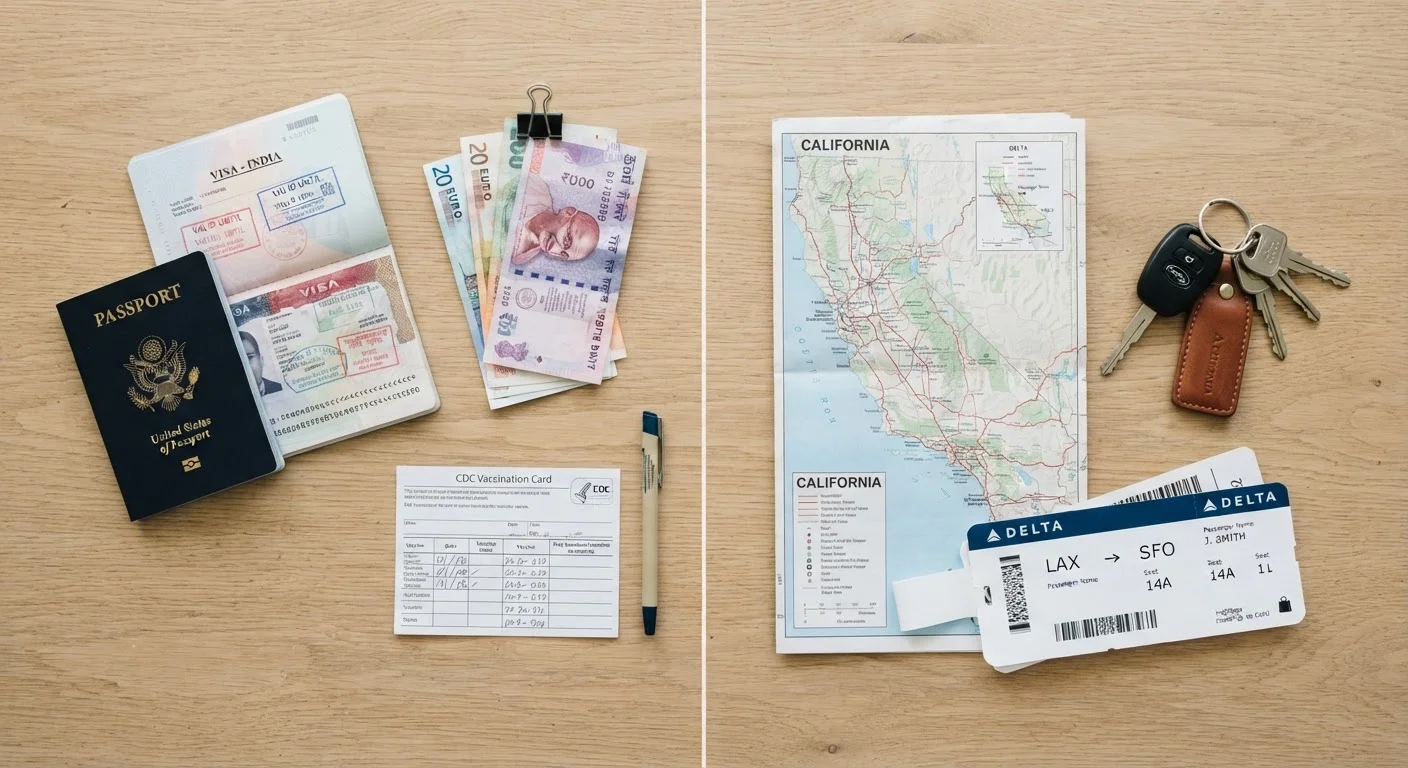
Photo credit: FaqInsider.com
In this article
From documentation to time zone prep, planning an international trip involves layers that domestic travel simply doesn't require.
Key Takeaways
- International trips require documentation, health prep, and currency research that domestic travel simply doesn't demand.
- Lead time for international planning should typically be three to six months longer than for domestic trips.
- Budget structures differ significantly - foreign transaction fees, travel insurance, and visas add layers of cost abroad.
- Both trip types benefit from the same core habits: research, flexibility, and a written itinerary.
Why the Planning Gap Is Bigger Than You Think
Most travelers underestimate just how much more preparation an international trip demands compared to a domestic one. It's not just about distance - it's about layers of logistics that don't exist when you're staying within U.S. borders.
Domestically, your planning checklist is relatively compact: transportation, lodging, a rough itinerary, maybe a few activity reservations. You're operating in your own currency, within a legal system you know, with your cell phone plan working normally and emergency services a familiar 911 call away.
Cross a border, and that checklist expands dramatically. Suddenly you're managing passport validity, potential visa requirements, foreign currency strategy, international health coverage, destination entry requirements, and possibly vaccinations. Each of those items has its own lead time and potential for delay. For a deeper dive into every pre-departure item, see our comprehensive international pre-departure checklist.
Documentation and Entry Requirements
This is the sharpest dividing line between the two planning tracks. For domestic travel, U.S. citizens need only a valid government-issued ID for most purposes - a driver's license covers most flights and venues.
International travel introduces passport validity rules (many countries require six months of validity beyond your travel dates), visa requirements that vary by destination and can take weeks to process, and entry health documentation in some cases. Some destinations also require proof of onward travel or sufficient funds.
| Planning Factor | Domestic Travel | International Travel | |
|---|---|---|---|
| Documentation required | Government-issued ID | Passport, possible visa, health docs | |
| Typical planning lead time | 4-8 weeks | 4-6+ months | |
| Currency management | None needed | Exchange rates, fees, cash strategy | |
| Health preparation | Minimal | Vaccinations, travel insurance, clinic visit | |
| Cell phone & connectivity | Standard plan works | International plan or local SIM needed | |
| Emergency services familiarity | Familiar (911, English) | Varies by country; research needed |
Visa research should happen before you book anything else. Applying too late - or discovering a destination requires an in-person embassy appointment - can derail an entire trip. Always verify current entry requirements through official government sources, such as the U.S. Department of State's travel website, rather than relying on travel blogs or third-party summaries, which may be outdated.
Budget Architecture: More Variables Abroad
Domestic trip budgeting is fairly straightforward: transportation, accommodation, food, activities, and a contingency buffer. The currency is the same, tipping norms are familiar, and you probably have a reasonable feel for what things cost in different U.S. regions.
International budgeting adds several layers. Foreign transaction fees can add 1-3% to every card purchase. Currency exchange rates fluctuate, meaning your purchasing power can shift between when you plan and when you travel. Travel insurance - which covers trip cancellation, emergency medical evacuation, and lost luggage - becomes much more important and should be factored into your budget from the start. Visa fees, airport taxes, and departure fees in some countries can also catch travelers off guard.
For practical strategies on making your money work harder abroad, the Travel on a Budget hub offers honest, actionable guidance. Domestically, your primary financial concern is simply price - internationally, you're also managing currency mechanics.
Build a Currency Strategy Before You Go
Research whether your destination is primarily cash-based or card-friendly before you travel. Notify your bank of travel dates to avoid frozen cards, and look into whether your current cards charge foreign transaction fees. Carrying a small amount of local currency for arrival day - taxis, tips, small purchases - can prevent a stressful scramble at the airport.
Health Preparation: A Category That Barely Exists Domestically
For domestic trips, health prep typically means packing your regular medications and maybe buying travel-size first-aid supplies. For international travel, depending on your destination, it can mean consulting a travel medicine clinic weeks or months in advance, getting destination-specific vaccinations, researching food and water safety, and understanding what happens if you need medical care abroad.
Travel health insurance or a plan that includes medical evacuation coverage is worth serious consideration for international trips - standard U.S. health insurance often provides limited or no coverage outside the country. Healthcare quality, access, and payment norms vary enormously by region, and being caught without coverage can be financially devastating. Our article on how healthcare systems differ around the world walks through what to realistically expect.
This article is for general informational purposes only and is not medical advice. Consult a qualified healthcare provider or travel medicine specialist before making any health decisions related to international travel.
Lead Time and Planning Horizons
Domestic trips can often be planned in a matter of weeks. Flights, hotels, and rental cars are bookable on short notice, and there's no documentation processing time to account for.
International trips reward early starters. Passport applications (or renewals) can take several weeks under standard processing. Visa applications for certain destinations require even longer lead times. Vaccination schedules for destinations with health requirements may need to begin months before departure. Flights and accommodation for popular international destinations also tend to book up faster.
A practical rule of thumb: start planning an international trip at least four to six months out for most destinations, and even earlier for complex itineraries or destinations with intensive visa processes. Domestic trips can generally be planned in four to eight weeks without significant trade-offs. If you're preparing for your very first time abroad, what no one tells you before your first international trip is essential reading.
Regardless of destination type, the planning habits that consistently reduce stress are the same - see trip-planning habits that hold up across any destination for a framework that applies everywhere.
6 months
Minimum passport validity many countries require
Many destinations enforce a six-month passport validity rule beyond your planned departure date - check requirements per destination via official government sources.
1-3%
Typical foreign transaction fee per card purchase
Foreign transaction fees are commonly charged by U.S. credit and debit cards on international purchases; some travel-focused cards waive them.

Author
Travel Editorial Team
Travel Editorial Team is the collective byline for our editorial team and contributor network. Articles published under this byline or an editorial pen name are researched, written, and reviewed according to our editorial standards for clarity, consistency, and independence before publication.
View all articles →