
Passport, Visas, and Entry Requirements: What Travelers Often Overlook
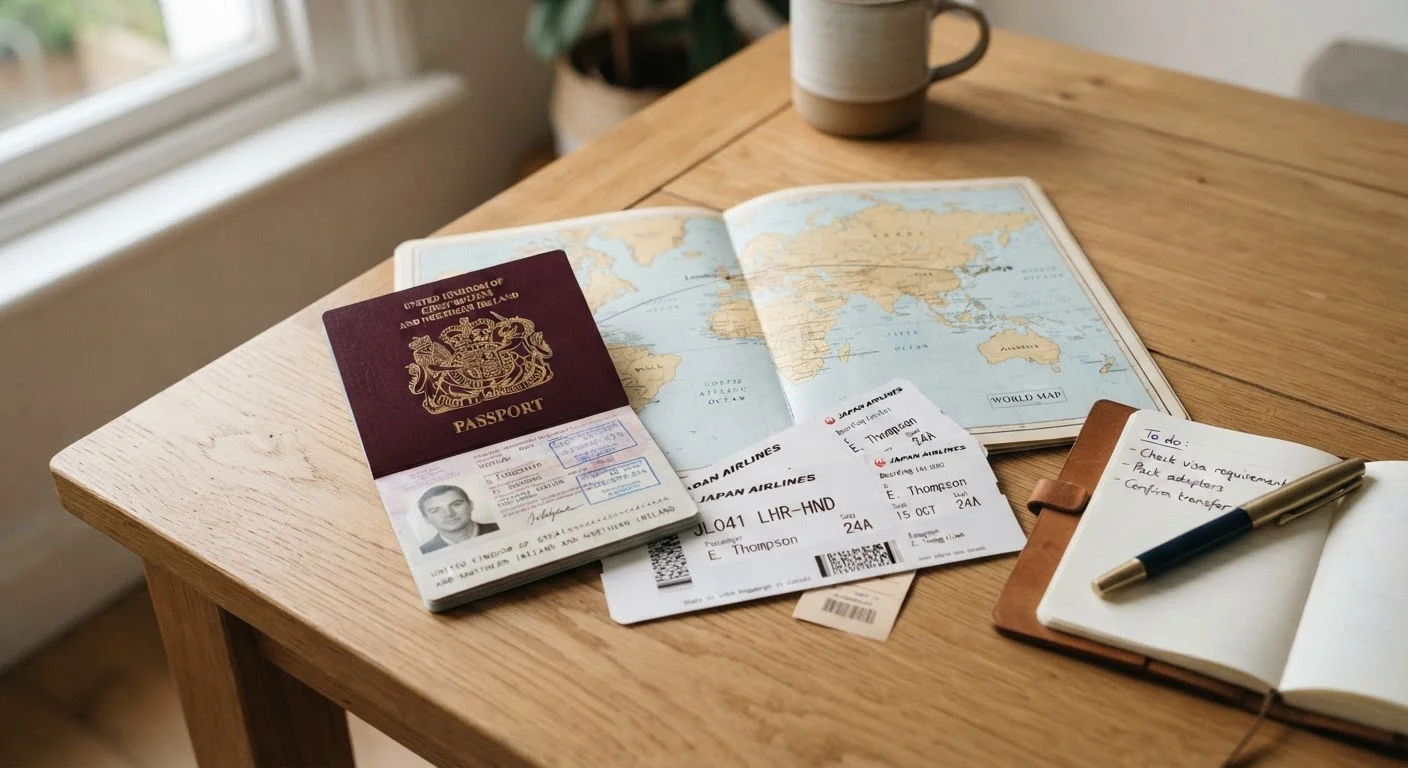
Photo credit: FaqInsider.com
In this article
Entry rules vary widely by destination and nationality. Here's what to verify before booking any international trip.
Key Takeaways
- Passport validity requirements vary - many countries require six months beyond your travel dates.
- Visa rules depend on both your destination and your nationality, not just one or the other.
- Entry requirements can change with little notice; always verify with official government sources.
- Some destinations require proof of onward travel, sufficient funds, or specific health documentation.
- Dual citizens may face additional complexities at border crossings that require advance planning.
Why Entry Requirements Catch Travelers Off Guard
Getting denied boarding or turned away at a port of entry is more common than most travelers expect - and it almost always comes down to documentation that seemed straightforward. Entry rules are set by destination governments, updated frequently, and enforced strictly. What worked for a friend last year may not apply to your trip today.
This checklist is designed to walk you through every layer of the entry requirements puzzle - from passport validity windows to health documentation - so nothing slips through the cracks. For a broader look at pre-departure preparation, see our full pre-departure reference, which covers documentation alongside health, insurance, and emergency planning.
Entry Rules Change Without Much Warning
Governments can update visa policies, health documentation requirements, and travel advisories on short notice. Always verify entry requirements within 30 days of your departure - and check again closer to the date. Do not rely solely on information from travel blogs, social media groups, or booking platforms, as these sources are frequently out of date.
Airlines Enforce Entry Rules Too
If you board a flight without proper documentation and are denied entry at your destination, the airline that carried you is typically required to return you at their own expense - and they know it. As a result, airlines often check entry documentation at check-in with the same rigor as border agents. Missing a visa or having insufficient passport validity can mean being denied boarding before you ever leave home.
What to Verify and When to Do It
Timing matters as much as the details themselves. Some visa applications take weeks; some passport renewals take months. Run through this checklist as soon as a destination is on your radar - ideally at least three months before departure, and even earlier for complex or multi-entry trips.
If this is your first time traveling internationally, our first international trip guide pairs well with this checklist as a broader orientation.
Passport Validity and Condition
Visa Requirements
Border Entry Conditions
Health and Travel Documentation
How to Read Entry Rules Without Getting Them Wrong
Entry requirements are riddled with nuance. A country may allow visa-free entry for tourists but require a visa for certain passport holders. Some countries waive visa requirements only if you hold an onward ticket. Others require that your passport be issued within the last ten years, not just valid - a distinction that trips up many experienced travelers.
The only reliable sources are official government websites: the destination country's immigration or foreign affairs ministry, and your own government's travel advisory pages (for U.S. travelers, that's travel.state.gov and the destination embassy's official site). For a detailed walkthrough of how to interpret what you find, our entry requirements explainer breaks down the terminology and common misreads.
Official Sources Only - Always
Entry requirement errors are almost never forgiven at the border, regardless of where you got your information. A visa agency, travel forum, or even your airline's general website is not a substitute for the destination country's official immigration authority. For U.S. travelers, travel.state.gov and the destination country's official embassy or consulate website are the authoritative starting points. When in doubt, call the embassy directly.
Once you've sorted your documents, make sure the rest of your pre-travel checklist is equally solid. Our pre-departure checklist covers emergency contacts, copies of key documents, and more.
Tools You'll Need to Work Through This Checklist
You don't need specialized software - just the right sources and a methodical approach. Here's what to have on hand before you start.
U.S. Department of State Travel Website (travel.state.gov)
Look up country-specific entry requirements, visa details, and travel advisories from the official U.S. government source.
Destination country's official immigration or embassy website
Confirm visa eligibility, required documentation, and current border conditions directly from the issuing authority.
IATA Travel Centre or airline website
Cross-check passport and visa requirements that airlines use when verifying documents at check-in.
Secure cloud storage or password-protected app
Store digital backup copies of your passport, visa, and other critical documents in case originals are lost or stolen.
Travel medicine clinic or healthcare provider
Obtain required vaccinations, health certificates, and destination-specific health guidance well ahead of departure.

Author
Travel Editorial Team
Travel Editorial Team is the collective byline for our editorial team and contributor network. Articles published under this byline or an editorial pen name are researched, written, and reviewed according to our editorial standards for clarity, consistency, and independence before publication.
View all articles →