
Planning a Trip Around Peak vs. Off-Peak Season
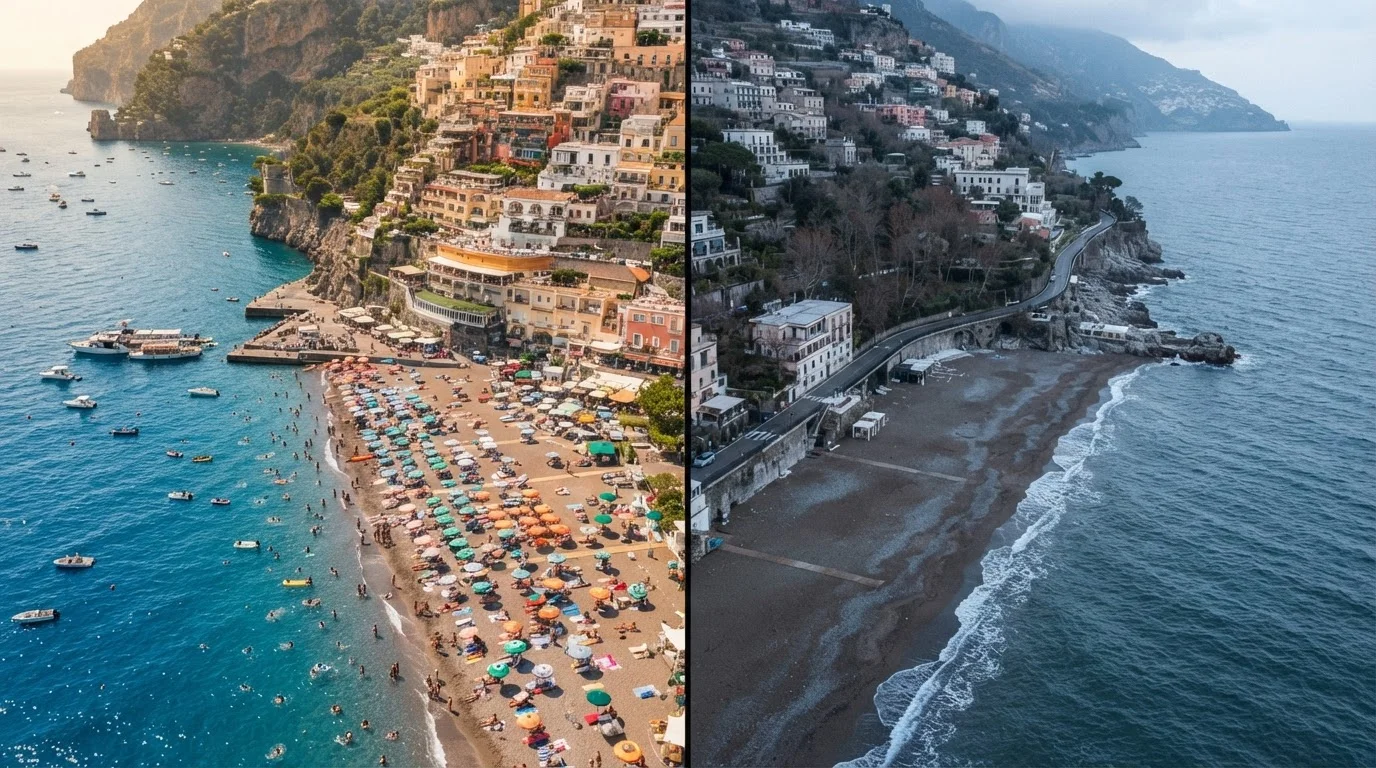
Photo credit: FaqInsider.com
In this article
How crowds, prices, and weather shift between high and low season—and how to decide which works for your trip goals.
Key Takeaways
- Peak season offers ideal weather and full attractions but brings higher prices and larger crowds.
- Off-peak travel generally means lower costs and quieter sites, but some amenities may be limited or closed.
- Shoulder season-the window just before or after peak-often delivers the best balance of conditions and value.
- Your trip priorities (weather, budget, experience type) should drive the timing decision more than price alone.
- Always verify visa, entry, and safety conditions with official government sources before booking any trip.
What Peak and Off-Peak Actually Mean
"Peak season" refers to the period when a destination sees its highest volume of visitors-typically aligned with favorable weather, school holidays, or major local events. "Off-peak" is the flip side: fewer tourists, more room to breathe, but often with trade-offs like reduced hours, closed attractions, or less predictable weather.
These windows vary enormously by destination. The Maldives peaks in winter for Americans escaping the cold; ski resorts peak in winter for entirely different reasons. Before making any timing decision, research what "peak" specifically means for your target destination, since a generic calendar won't cut it.
There's also a middle ground worth knowing: shoulder season, which falls just before or after the peak. For a deep dive on how to leverage it, see our guide on how shoulder season works and how to plan around it.
Peak Season: What You Gain and What You Pay
Traveling during peak season means the destination is operating at full capacity-museums are fully staffed, tour operators run daily departures, and restaurants have extended hours. The energy is high, and the experience often matches the brochure.
The costs, however, reflect that demand. Flights, accommodations, and tour packages all typically carry peak-season pricing. Popular sites can feel overcrowded, and without advance bookings, you may be shut out entirely. Lines at landmarks can consume hours you'd rather spend exploring.
| Peak Season | Off-Peak Season | |
|---|---|---|
| Typical pricing | Higher - flights, hotels at a premium | Lower - more negotiating room |
| Crowd levels | High - popular sites packed | Low - sites often near-empty |
| Weather reliability | Generally favorable and predictable | Variable; may be poor |
| Attraction availability | Full hours, all operators open | Some closures or reduced schedules |
| Advance booking required | Yes - months ahead for popular spots | Less pressure, more spontaneity |
| Atmosphere | Lively, energetic, festive | Quiet, local, uncrowded |
That said, peak season makes logistical sense for many travelers. Families tied to school calendars, anyone chasing a specific festival, or travelers who simply need guaranteed sunshine will find the premium justifiable. The key is planning well in advance-especially for accommodations and any timed-entry tickets-to avoid the worst frustrations.
Off-Peak Season: The Real Trade-Offs
Off-peak travel delivers real savings. Accommodation rates can drop significantly, flights often have more availability and competitive pricing, and popular attractions become genuinely enjoyable without the shoulder-to-shoulder crowds. A cathedral that feels hectic in July can be breathtaking in January when you have room to look up.
The trade-offs are real, though. Weather may be unreliable or actively unpleasant. Some hotels, restaurants, and seasonal operators close entirely. Reduced transportation schedules can complicate logistics, especially in smaller destinations. And if weather is the draw-a beach trip, a safari, a mountain hike-poor conditions can undermine the entire purpose of the journey.
Check What Actually Closes Off-Season
Before booking an off-peak trip, research which specific attractions, restaurants, or transportation links operate year-round versus seasonally. Some island destinations, ski resort towns, and beach communities essentially shut down outside peak months. Contacting local tourism boards or checking destination-specific travel forums can surface this information more reliably than general travel sites.
Budget travelers with flexibility will find off-peak timing rewarding. For practical strategies on stretching your travel dollars across every expense category, the Travel on a Budget hub is a solid starting point.
How to Choose: Matching Timing to Your Trip Goals
The right season isn't the cheapest or the most popular-it's the one that aligns with why you're taking the trip. Work through these questions before locking in dates:
- What's your weather threshold? If sunshine is non-negotiable, off-peak may not serve you. If you can tolerate rain or cold, the savings may be worth it.
- How flexible is your schedule? Rigid dates often mean peak-season pricing regardless of preference. More flexibility unlocks better options.
- What kind of experience do you want? Lively and social, or quiet and immersive? Crowds shape the feel of a destination profoundly.
- Are there must-do activities or events? Some experiences only exist during specific windows-harvest festivals, whale migrations, seasonal park access.
If you're still weighing how to structure the trip itself, our comparison of road trips versus fly-and-explore vacations can help you think through the broader logistics alongside timing. For a direct comparison of shoulder versus peak season trade-offs specifically, see what you're actually trading off between seasons.
Travel conditions, entry requirements, and seasonal schedules can change. Always verify current visa rules, health requirements, and destination-specific advisories through official government and tourism sources before booking.

Author
Travel Editorial Team
Travel Editorial Team is the collective byline for our editorial team and contributor network. Articles published under this byline or an editorial pen name are researched, written, and reviewed according to our editorial standards for clarity, consistency, and independence before publication.
View all articles →