
Shoulder Season vs. Peak Season Travel: What You're Actually Trading Off
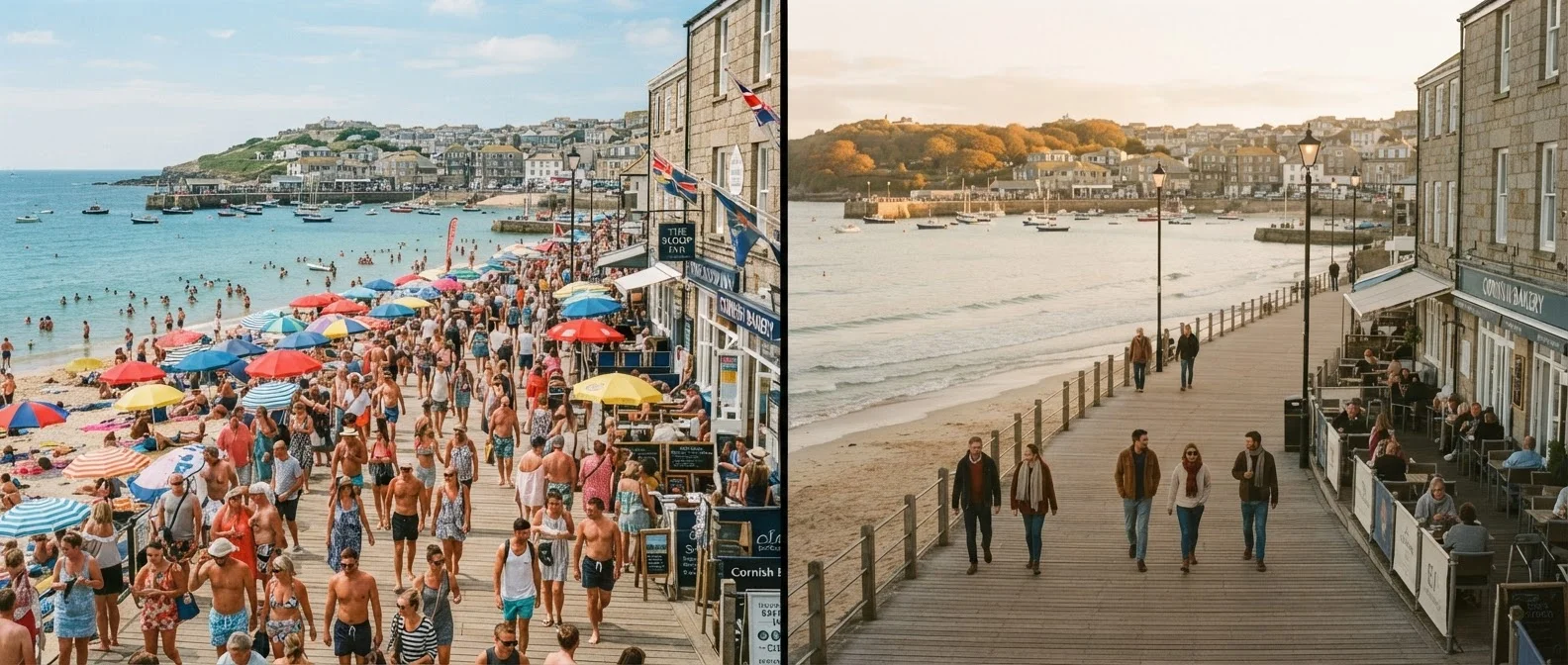
Photo credit: FaqInsider.com
In this article
Crowds, pricing, weather, and availability all shift by season. Here's how to weigh those factors before you choose your travel dates.
Key Takeaways
- Peak season delivers reliable weather and full attraction access, but at notably higher prices and more crowded conditions.
- Shoulder season typically offers meaningful savings on flights and accommodations, often with only minor trade-offs in experience.
- The right season depends on your destination - shoulder timing varies significantly by region and attraction type.
- Advance booking matters most during peak season; flexibility is your biggest asset during shoulder periods.
- Weather risk is real in shoulder season but manageable with research and packing strategy.
What Each Season Actually Means
Peak season is the window when a destination sees its highest demand - usually driven by favorable weather, school holidays, or a combination of both. Think U.S. national parks in July, European cities in August, or Caribbean beaches over winter break. Everything is open, fully staffed, and buzzing with activity.
Shoulder season sits on either side of peak - the weeks just before or after the rush. In Mediterranean Europe, that's April through May and September through October. In mountain destinations, it might be late spring before summer hikers arrive, or early fall before ski season kicks in. For a deeper look at how to work shoulder timing into your planning, see our guide to shoulder season travel.
Neither label is universal. What's shoulder season in Paris (November) might be peak season in a ski resort two hours away. Knowing your specific destination's rhythm is the starting point.
The Real Cost Difference
Pricing is where the contrast becomes most tangible. During peak periods, airlines, hotels, and tour operators know demand is high - rates reflect that. It's common to see accommodation prices 30-60% higher than the same property charges just a few weeks earlier or later, depending on the destination. Flight prices follow similar patterns, with routes to popular leisure destinations spiking during holiday windows.
30-60%
Typical hotel price premium during peak season
Industry travel data consistently shows accommodation rates spike significantly during high-demand holiday and summer windows compared to adjacent shoulder periods.
~30%
Average flight price increase over peak holidays
Airfare tracking platforms have observed domestic U.S. flights rising roughly 30% or more around major holiday windows versus the weeks immediately before or after.
Shoulder season pricing varies, but the savings are often real and meaningful. A mid-range hotel that runs $250 a night in August might drop to $160 in late September. Combined flight savings on a family trip can run into the hundreds. That said, prices aren't automatically low - some shoulder periods are crowded in their own right, especially around regional festivals or long weekends. Research your specific dates before assuming savings.
For a parallel look at how timing affects what you pay in another market, seasonal patterns shape home prices too - the same supply-and-demand logic applies across industries.
Crowds, Access, and Atmosphere
Peak season means attractions are fully operational - extended hours, all tours running, every restaurant open. It also means lines. Popular museums, national parks, and iconic viewpoints can get genuinely overwhelming. The Eiffel Tower, Yellowstone's Old Faithful, or the Colosseum in high summer can involve waits that eat a surprising chunk of your day.
| Criterion | Peak Season | Shoulder Season |
|---|---|---|
| Typical pricing | Highest rates of the year | Noticeably lower on average |
| Crowd levels | High; lines and wait times common | Moderate; more breathing room |
| Weather reliability | Generally most predictable | More variable; research required |
| Attraction availability | Fully operational, extended hours | Some closures or reduced hours |
| Booking flexibility | Advance booking essential | More last-minute options available |
| Local atmosphere | Tourist-heavy, festive energy | More local presence, calmer pace |
Shoulder season flips this dynamic. You'll often walk into places that would require timed reservations in peak periods. Locals are more present in tourist areas, which makes for a more authentic feel. Some travelers find this reason enough on its own to shift their dates.
The trade-off: some businesses operate on reduced hours or close entirely. A beloved restaurant might be shuttered for its annual break. A boat tour might run less frequently. Checking specific operating schedules for must-do activities before booking is essential. See how crowds and prices shift by season for a detailed breakdown by destination type.
Weather: The Wildcard Factor
Peak season typically corresponds to a destination's most predictable, traveler-friendly weather. That's often why it became peak season. Planning a beach trip or outdoor adventure around peak timing reduces the chance of weather derailing your itinerary.
Shoulder season introduces variability. September in the Greek islands is generally gorgeous - warm sea, thinner crowds, lower prices. But October can bring unpredictable storms. Late May in the U.S. Southwest is pleasant before summer heat peaks, but spring weather in mountain regions can shift quickly.
Shoulder Season Varies Wildly by Destination
There's no universal shoulder season calendar. Southeast Asia's shoulder period falls differently than the Caribbean's or Iceland's. A month that's quiet in one city might be a local festival peak in a nearby region. Always verify the specific timing for your destination rather than applying a general rule. Official tourism boards and destination-specific travel forums are useful starting points for this research.
The practical move: check historical weather data (not just averages, but day-by-day variability) for your destination during your target shoulder window. Pack with weather flexibility in mind - a light rain layer and layers for temperature swings add almost no weight but make a real difference. The Travel on a Budget hub includes planning tools that can help you research destination conditions across seasons.

Author
Travel Editorial Team
Travel Editorial Team is the collective byline for our editorial team and contributor network. Articles published under this byline or an editorial pen name are researched, written, and reviewed according to our editorial standards for clarity, consistency, and independence before publication.
View all articles →