
Traveling Solo: The Real Trade-Offs Worth Thinking Through
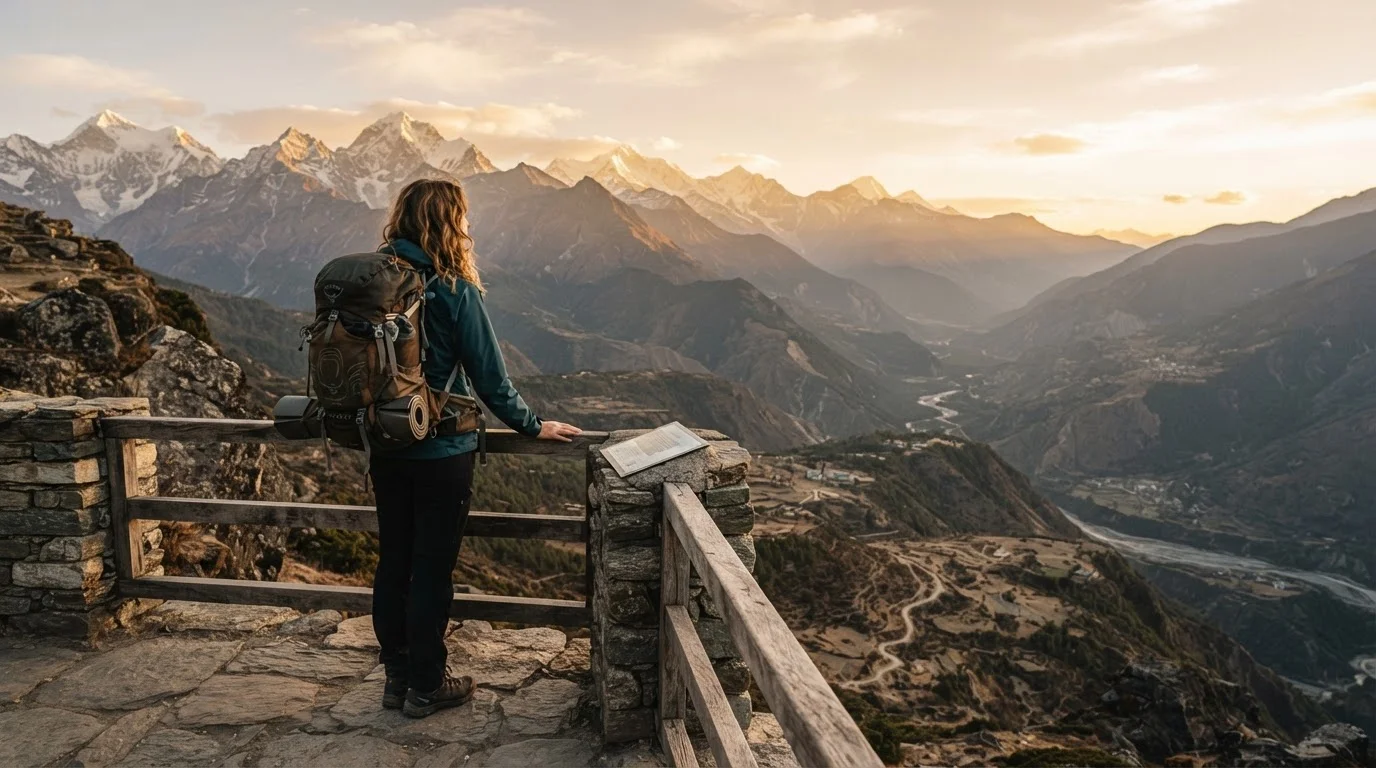
Photo credit: FaqInsider.com
In this article
Solo travel offers freedom and flexibility, but it comes with real challenges. A clear-eyed look at both sides for those considering it.
Key Takeaways
- Solo travel offers unmatched freedom and flexibility but typically costs more per person than group travel.
- Loneliness and safety concerns are real challenges, not just anxieties to dismiss.
- Thorough planning and situational awareness significantly reduce the downsides of going it alone.
- Solo travel builds genuine confidence and self-reliance that benefits future trips too.
Total control over your itinerary and pace
You can change plans at any moment without negotiating with anyone. This flexibility often leads to unexpected highlights that structured group itineraries wouldn't allow.
Deeper personal growth and self-reliance
Navigating unfamiliar cities, solving problems on the fly, and making decisions alone builds real confidence. Many travelers report solo trips as turning points in how they approach challenges at home too.
Easier to connect with locals and other travelers
Solo travelers are more approachable and more likely to accept invitations or strike up conversations. Traveling in a group can inadvertently create a social bubble that keeps local interactions at arm's length.
Complete ownership of the experience
You choose activities based purely on your interests - no compromises on museums vs. beaches, fine dining vs. street food. The trip reflects you, not a committee decision.
Higher per-person costs with no one to split expenses
Accommodation, transport, and tours are often priced for two or more. Single supplements are common on organized tours, and splitting a taxi or Airbnb with a travel partner simply isn't an option.
Loneliness can surface, especially on longer trips
Sharing a meal alone or returning to a quiet room after an exciting day can wear on even self-sufficient travelers. This isn't a sign of failure - it's a normal aspect of solo travel worth mentally preparing for.
All safety responsibility falls on you
There's no one to watch your bag while you use the restroom, alert you if something seems off, or help if you fall ill. This requires more active planning and sustained situational awareness than group travel.
No shared memories or built-in travel companion
Experiences can feel more transient when there's no one to reminisce with afterward. Photos and journals help, but the absence of a shared reference point is a genuine trade-off for some travelers.
More exhausting decision-making over time
Making every call - where to eat, which route to take, when to rest - adds up. Decision fatigue is real on longer solo trips, and some travelers find it drains energy they'd rather spend on the experience itself.
What Solo Travel Actually Means
Solo travel means more than booking a flight by yourself. It means every decision - where to eat, how long to linger at a museum, whether to take a detour - is entirely yours. That's exhilarating for some people and genuinely stressful for others, and being honest about which camp you fall into before you leave is half the battle.
This isn't a pitch for or against going alone. It's a clear-eyed breakdown of what solo travel actually involves: the logistical realities, the financial picture, the safety landscape, and the personal dynamics that shape whether it feels liberating or exhausting. If you're comparing this path to coordinating with others, our guide on group travel planning lays out that side of the equation.
The Real Advantages of Traveling Alone
Solo travel's appeal isn't a myth. These advantages show up consistently for travelers who've done it thoughtfully.
Total control over your itinerary and pace
You can change plans at any moment without negotiating with anyone. This flexibility often leads to unexpected highlights that structured group itineraries wouldn't allow.
Deeper personal growth and self-reliance
Navigating unfamiliar cities, solving problems on the fly, and making decisions alone builds real confidence. Many travelers report solo trips as turning points in how they approach challenges at home too.
Easier to connect with locals and other travelers
Solo travelers are more approachable and more likely to accept invitations or strike up conversations. Traveling in a group can inadvertently create a social bubble that keeps local interactions at arm's length.
Complete ownership of the experience
You choose activities based purely on your interests - no compromises on museums vs. beaches, fine dining vs. street food. The trip reflects you, not a committee decision.
The flexibility point is worth emphasizing: when you're not coordinating with anyone else's schedule, work constraints, or budget, you can shift plans on a whim. Stayed an extra night in a city that surprised you? Done. Skipped a hyped attraction that didn't excite you? No debate required. That kind of autonomy is genuinely difficult to replicate in group settings.
The Honest Disadvantages to Weigh
Solo travel's challenges are just as real as its upsides - and glossing over them leads to trips that disappoint or feel harder than expected.
Higher per-person costs with no one to split expenses
Accommodation, transport, and tours are often priced for two or more. Single supplements are common on organized tours, and splitting a taxi or Airbnb with a travel partner simply isn't an option.
Loneliness can surface, especially on longer trips
Sharing a meal alone or returning to a quiet room after an exciting day can wear on even self-sufficient travelers. This isn't a sign of failure - it's a normal aspect of solo travel worth mentally preparing for.
All safety responsibility falls on you
There's no one to watch your bag while you use the restroom, alert you if something seems off, or help if you fall ill. This requires more active planning and sustained situational awareness than group travel.
No shared memories or built-in travel companion
Experiences can feel more transient when there's no one to reminisce with afterward. Photos and journals help, but the absence of a shared reference point is a genuine trade-off for some travelers.
More exhausting decision-making over time
Making every call - where to eat, which route to take, when to rest - adds up. Decision fatigue is real on longer solo trips, and some travelers find it drains energy they'd rather spend on the experience itself.
The cost issue catches many first-timers off guard. Hotels charge per room, not per person, which means a solo traveler often pays the same as a couple. Single supplements on tours and cruises can add 20-50% to a base price. For a frank look at how this plays into broader budget travel planning, see what budget travel actually involves.
Loneliness Isn't a Flaw in the Plan
Feeling lonely on a solo trip doesn't mean you made the wrong choice or that solo travel isn't for you. It's a normal emotional response that most solo travelers encounter at some point. Building in social touchpoints - staying in places with communal spaces, joining a day tour, or scheduling calls home - can ease it without abandoning independence. Acknowledging it as part of the experience rather than a problem to fix tends to help.
Safety: The Factor That Needs a Real Plan
Safety as a solo traveler isn't about fear - it's about preparation. When something goes wrong on a group trip, there are people around to help problem-solve. Alone, that responsibility sits entirely with you.
Practical steps matter more than general advice here. Sharing your itinerary with someone at home, keeping digital and physical copies of important documents separate, staying aware of your surroundings in unfamiliar areas, and knowing how to access local emergency services are habits that reduce real risk. Our detailed resource on practical solo travel safety habits covers situational awareness strategies worth reviewing before any trip. You can also explore evidence-informed safety practices that don't require sacrificing the experience of independent travel.
Always verify entry requirements, travel advisories, and local laws through your government's official travel portal - conditions change and no article can substitute for current, authoritative guidance.
Planning Smarter for a Solo Trip
Good solo trip planning is less about finding the "perfect" destination and more about matching the trip's structure to your actual comfort level. A first-time solo traveler might thrive in a well-connected city with reliable transit and a mix of hostel common areas and private rooms - plenty of social opportunity without the pressure of constant companionship. A seasoned solo traveler might prefer remote hiking routes where solitude is the whole point.
If you're ready to move from considering solo travel to actively planning it, our guide to planning your first solo trip abroad walks through every key stage. And if you're weighing how long to stay in each place versus moving frequently, slow travel vs. destination hopping breaks down the financial and experiential trade-offs of both approaches.
~25%
Solo travelers as a share of leisure bookings
Industry travel surveys consistently show solo bookings representing roughly a quarter of all leisure trips, a figure that has grown steadily over the past decade.
20-50%
Typical single supplement surcharge on tours
Many organized tours and cruises charge solo travelers a single supplement fee on top of the base price, reflecting the per-room pricing model of shared accommodation.

Author
Travel Editorial Team
Travel Editorial Team is the collective byline for our editorial team and contributor network. Articles published under this byline or an editorial pen name are researched, written, and reviewed according to our editorial standards for clarity, consistency, and independence before publication.
View all articles →