
Staying Safe as a Solo Traveler: Practical Habits That Actually Help
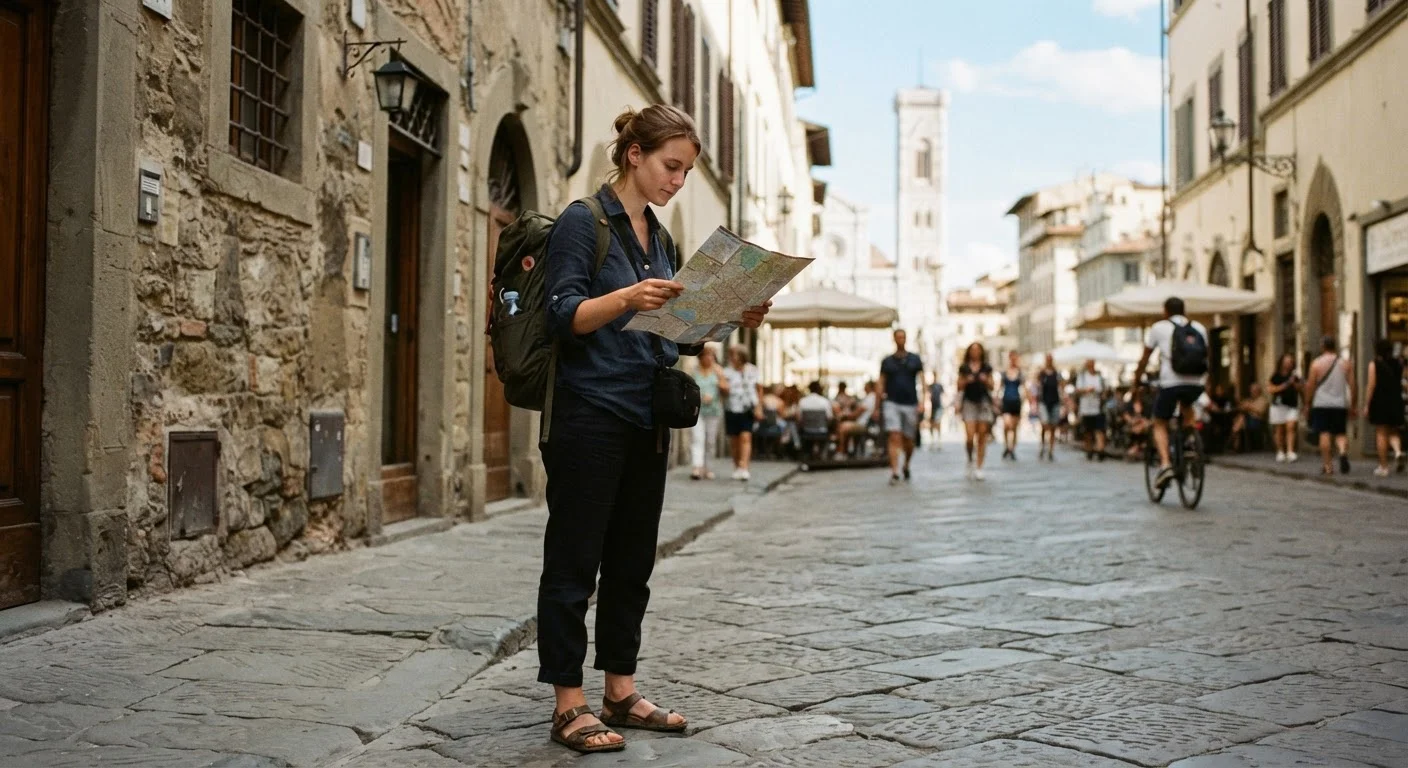
Photo credit: FaqInsider.com
In this article
Evidence-informed habits and situational awareness strategies for solo travelers navigating unfamiliar cities and environments.
Key Takeaways
- Pre-trip research on local scams and neighborhood safety dramatically reduces on-the-ground surprises.
- Sharing your itinerary with a trusted contact at home is one of the simplest and most effective safety habits.
- Staying aware of your surroundings - not just your phone - remains a core protection strategy in unfamiliar environments.
- Keeping digital and physical copies of key documents in separate locations limits the damage of loss or theft.
- Knowing your exit routes and nearest embassy or consulate before you need them can make a critical difference.
Why Solo Travel Demands a Different Safety Mindset
Traveling alone is genuinely liberating - you move at your own pace, pivot on a whim, and build confidence that group travel rarely offers. But solo travel also means there's no one next to you to notice when something feels off, help you read a confusing situation, or step in if things go sideways. That asymmetry calls for building deliberate habits before and during your trip.
This isn't about fear - it's about preparation. The travelers who navigate unfamiliar cities most confidently aren't the boldest; they're the most informed. See our trip-planning habits that hold up across any destination for the foundational logistics that set every solo trip up for success.
Before You Leave: The Prep Work That Pays Off
Most solo travel safety wins happen weeks before you board a plane. Research your destination's common scams, neighborhood reputations, and current travel advisories through official government sources - the U.S. State Department's travel advisory system is a practical starting point. Cross-reference with recent traveler forums for ground-level nuance.
Register your trip with the Smart Traveler Enrollment Program (STEP) if you're heading abroad - it's free and ensures your embassy can reach you in an emergency. Identify the location of the nearest U.S. embassy or consulate at your destination and save that contact information offline.
If you're new to traveling solo internationally, planning your first solo trip abroad breaks the full preparation process into manageable stages.
On the Ground: Habits That Actually Reduce Risk
Once you arrive, your daily choices determine a lot. Situational awareness - staying mentally present and noticing who and what is around you - is widely cited by security professionals as the most consistently effective personal safety tool. That means keeping your phone in your pocket when navigating busy transit stations or crowded markets.
Blending In Has Real Safety Value
Appearing confident and purposeful - even when you're slightly lost - tends to reduce unwanted attention in most urban environments. Conspicuous confusion, expensive visible gear, and openly consulting your phone in crowds are patterns that opportunistic thieves often rely on. This doesn't mean pretending to know where you're going when you genuinely don't; it means ducking into a café to reorient rather than stopping on a busy sidewalk.
Physical document security matters more than many travelers realize. Carry only what you need each day: a photocopy of your passport rather than the original, limited cash, and one backup payment card stored separately from your wallet. Protecting yourself from theft and scams on the road covers the mechanics of common travel crimes and what precautions reduce exposure.
Check in regularly with your designated contact at home - a quick message confirming your location and next planned stop creates a real-time record without requiring elaborate systems.
~2,000
Americans reported lost or stolen passports abroad annually
U.S. State Department data consistently shows passport loss is one of the most common overseas emergencies requiring consular assistance.
1 in 6
Solo travelers report being targeted by petty theft
Travel safety surveys suggest solo travelers face a disproportionate share of opportunistic theft compared to group travelers, likely due to reduced bystander deterrence.
Knowing When to Trust Your Instincts
One of the most underrated solo travel skills is learning to honor discomfort without dismissing it as overreaction. If a situation, a person, or a neighborhood feels genuinely wrong to you, trust that signal enough to change course. Leaving a bar early, switching train carriages, or turning down an offer that feels pressured are all reasonable responses - and you don't owe anyone an explanation.
At the same time, effective solo travel means not letting anxiety drive every decision. The goal is calibrated awareness: engaged enough to notice real warning signs, relaxed enough to be present for the experience. Thinking through the real trade-offs of solo travel offers a grounded look at both the challenges and the genuine rewards. Travelers with specific health needs or life-stage considerations should also review safe travel considerations by life stage before departure.
“The most dangerous thing a traveler can do is assume that being cautious means being fearful. Awareness and enjoyment aren't opposites - they reinforce each other.”
— Travel Safety Institute, Organization focused on traveler risk education and preparedness

Author
Travel Editorial Team
Travel Editorial Team is the collective byline for our editorial team and contributor network. Articles published under this byline or an editorial pen name are researched, written, and reviewed according to our editorial standards for clarity, consistency, and independence before publication.
View all articles →