
Getting a Pre-Purchase Inspection on a Used Car
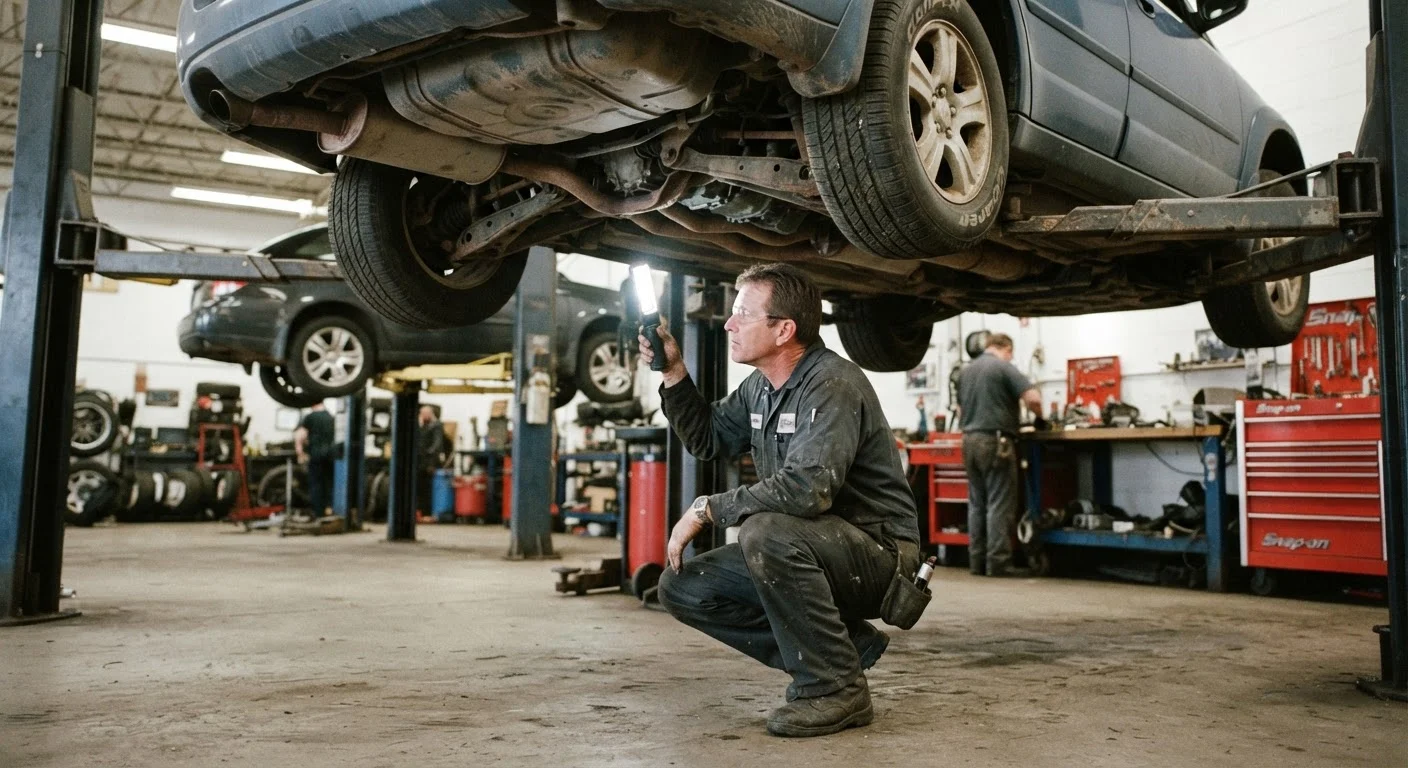
Photo credit: FaqInsider.com
In this article
A mechanic's inspection before you buy can surface thousands in hidden repair costs. Here's how to arrange one and what it should cover.
Key Takeaways
- An independent mechanic's inspection can reveal hidden repair costs before you commit to buying.
- Always use a shop that has no financial relationship with the seller.
- A thorough inspection covers the engine, transmission, brakes, suspension, body, and electronics.
- Inspection findings give you real leverage to negotiate price or walk away.
- Even certified pre-owned vehicles can benefit from an independent second look.
Why a Pre-Purchase Inspection Matters
Buying a used car without an independent inspection is a bit like accepting a stranger's word that a house has no structural problems. The vehicle may look clean and drive fine on a test drive, yet still carry significant hidden issues - worn brake components, frame damage from an unreported accident, oil leaks, or a failing transmission. Any one of these can mean hundreds or thousands of dollars in repairs shortly after purchase.
A pre-purchase inspection (PPI) is a full mechanical and visual evaluation performed by an independent, qualified mechanic - someone who has no financial stake in whether the sale goes through. Unlike the seller's claims or even a vehicle history report, a hands-on inspection tells you what the car's condition actually is right now.
If you're weighing whether a used vehicle makes sense for you at all, our comparison of new vs. used trade-offs can help you frame the bigger decision first. And if the car carries a certified pre-owned label, read what CPO actually guarantees - manufacturer standards vary more than most buyers expect.
Inspection Cost Is Worth It
A pre-purchase inspection typically costs $100-$200. That's a small amount compared to the repair bills it can help you avoid - or the negotiating leverage it can provide. Think of it as due diligence, not an added expense.
What a Good Inspection Should Cover
Not all inspections are equal. A cursory walk-around is not the same as a thorough mechanical evaluation. Before you book, confirm the shop will assess all of the following areas:
- Engine and fluids: Oil condition and level, coolant, transmission fluid, signs of leaks or sludge, and evidence of overheating.
- Transmission and drivetrain: Smooth shifting, unusual noises, condition of CV joints and driveshaft.
- Brakes: Pad and rotor thickness, brake lines, and caliper condition.
- Suspension and steering: Worn bushings, ball joints, tie rods, and shock absorbers.
- Tires: Tread depth, uneven wear patterns (which can signal alignment or suspension problems), and sidewall condition.
- Body and frame: Evidence of prior collision repair, rust, mismatched paint, and panel gaps that suggest structural work.
- Electrical systems: Lights, infotainment, HVAC, power windows, and a scan for active diagnostic trouble codes (DTCs) - the data stored in the car's onboard computer.
- Exhaust: Leaks, corrosion, and catalytic converter condition.
Once you have the report in hand, reading a mechanic's estimate can help you interpret what each finding actually means for your wallet.
Mobile Inspections Have Limitations
Some services offer mobile inspections at the seller's location. While convenient, these inspections cannot put the car on a lift - which limits the mechanic's ability to assess the undercarriage, exhaust, and suspension components thoroughly. A shop-based inspection with lift access is generally more comprehensive.
How to Arrange the Inspection: Step by Step
What you will need
Find an Independent Mechanic
Choose a repair shop that has no relationship with the seller. If you're buying from a dealership, do not use their affiliated service center. Ask friends or family for recommendations, or search for ASE-certified (Automotive Service Excellence) shops in your area. Many mechanics list PPI services explicitly.
Get the Seller's Agreement
Inform the seller that you want to have the vehicle inspected before finalizing anything. A seller who refuses or creates obstacles is itself a meaningful warning sign. For private-party sales, confirm the seller will allow the car to be driven to or towed to the shop. For dealer sales, get the agreement in writing or via email.
Run a Vehicle History Report First
Before the physical inspection, obtain a vehicle history report using the car's VIN (Vehicle Identification Number). This can surface reported accidents, title issues (salvage, flood, or rebuilt titles), odometer discrepancies, and ownership history. Think of it as context - the mechanic's inspection will then confirm or expand on what the history suggests.
Schedule and Attend the Inspection
Book the inspection appointment and, if possible, be present when it's performed. Watching the mechanic work - and asking questions in real time - gives you far more insight than reading a report after the fact. A full inspection typically takes one to two hours and usually costs between $100 and $200, though prices vary by region and shop.
Review the Written Report
Request a written report documenting every finding, categorized by severity - immediate safety concerns, items needing near-term attention, and items to monitor. Use this document as the basis for any price negotiation with the seller.
Using the Results to Your Advantage
An inspection report is more than a pass/fail verdict - it's a negotiating tool. If the mechanic identifies $800 in needed brake work and a slow oil leak requiring attention, you have concrete, documented grounds to request a price reduction or ask the seller to address the repairs before closing the deal.
Use the findings dispassionately. Frame the conversation around the repair costs the report documents, not emotion. Sellers - whether private parties or dealers - often adjust pricing when presented with a written professional assessment.
If the inspection uncovers major structural damage, flood indicators, or a failing powertrain component, walking away is a legitimate and often wise outcome. There are always other vehicles. Before you head to any dealership, our pre-dealership checklist can help you prepare, and questions to ask before signing can keep you protected through the finance office. A pre-purchase inspection isn't an obstacle to buying - it's what makes buying confidently possible.

Author
Cars Editorial Team
Cars Editorial Team is the collective byline for our editorial team and contributor network. Articles published under this byline or an editorial pen name are researched, written, and reviewed according to our editorial standards for clarity, consistency, and independence before publication.
View all articles →