
What Your Dashboard Warning Lights Are Actually Telling You
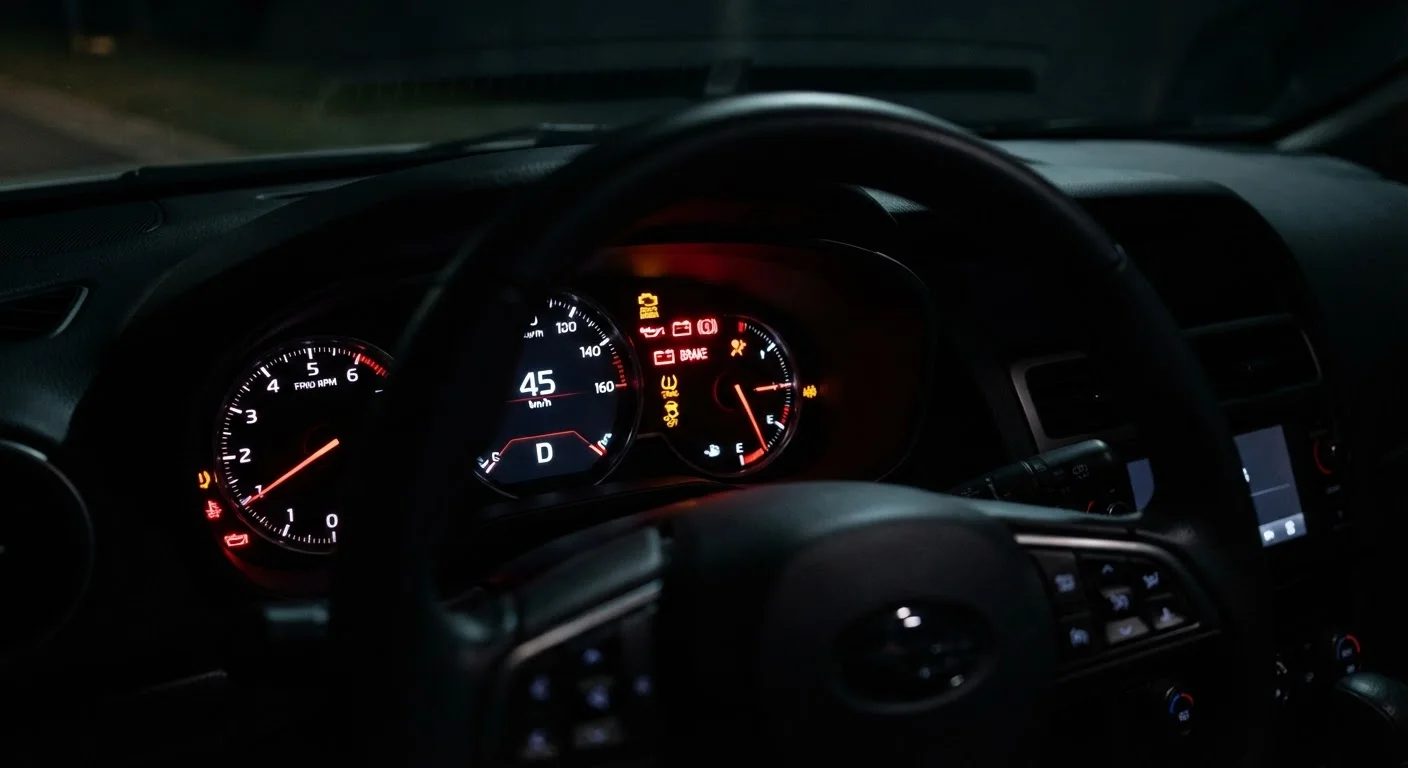
Photo credit: FaqInsider.com
In this article
Decode the most common dashboard warning lights—what triggers them, how urgent each one is, and when to pull over immediately.
Why Warning Lights Exist-and Why They're Easy to Ignore
Modern vehicles monitor dozens of systems simultaneously, from engine temperature to tire pressure to emissions controls. When something falls outside normal operating parameters, the relevant warning light illuminates on your instrument cluster. The problem is that many drivers either panic at the sight of any lit symbol or, worse, develop light fatigue-ignoring indicators entirely because they've been on for weeks without obvious consequences.
Neither response serves you well. Some lights signal a 30-second fix; others mean you should pull over immediately. The key is knowing which is which before you're sitting on the side of the highway wondering what to do next. This reference guide covers the most common warning lights, what triggers them, and how urgently each one demands your attention.
For a broader approach to staying safe before you even leave home, see our pre-trip safety walkthrough.
| Red light default action | Pull over safely and stop the engine |
| Amber light default action | Schedule a mechanic visit within a few days |
| Flashing check engine light | Treat as urgent - indicates active misfire or catalyst damage risk |
| TPMS trigger threshold | Typically 25% below recommended tire pressure (U.S. NHTSA TPMS regulations) |
| Best reference for your specific symbols | Your vehicle's owner's manual |
| Tool for reading check engine codes | OBD-II scanner (available at most auto-parts stores) |
The Warning Lights You Need to Know
Dashboard symbols fall into three general urgency tiers: stop now, service soon, and informational. Color is your first clue-red typically means urgent, amber means attention needed, and blue or green is usually status information.
OBD-II
On-Board Diagnostics, second generation - a standardized system in vehicles built after 1996 that monitors engine and emissions systems and stores fault codes readable by a scan tool.
TPMS
Tire Pressure Monitoring System - sensors built into each wheel that alert the driver when tire pressure drops below a safe threshold, typically 25% below the recommended level.
Oil Pressure
The force at which motor oil circulates through the engine's lubrication system. Adequate pressure ensures moving metal parts stay coated and protected from friction damage.
ABS
Anti-lock Braking System - a safety feature that rapidly pulses brake pressure during hard stops to prevent wheel lockup, helping the driver maintain steering control.
Charging System
The alternator, battery, and associated wiring that keep electrical power flowing to the vehicle's systems while the engine runs. A fault here means the battery is draining.
Red Lights: Stop Now
- Oil Pressure Warning (oil can icon): Low or lost oil pressure can destroy an engine within minutes. Pull over safely, shut off the engine, and do not restart until the cause is identified. Do not confuse this with the oil-change reminder light, which looks similar but is far less urgent.
- Engine Temperature Warning (thermometer in water): Your engine is overheating. Continuing to drive risks warping cylinder heads or causing catastrophic engine failure. Pull over, turn off the engine, and let it cool before checking the coolant level. Our guide on vehicle fluids explains what coolant does and where to find the reservoir.
- Battery/Charging System (battery icon): The charging system has failed. You may have minutes of driving time left before the car loses all electrical power. Get to a safe location quickly.
- Brake System Warning (exclamation mark in circle): If the parking brake is released and this light is still on, you may have low brake fluid or a more serious hydraulic failure. Do not drive the vehicle until inspected. Learn more about brake system health in our article on brake maintenance.
Amber Lights: Service Soon
- Check Engine Light (engine outline): This light triggers when the engine management system detects a fault code. Causes range from a loose gas cap to a misfiring cylinder. If it's flashing, treat it as urgent-a steady light typically allows for a near-term shop visit. A mechanic or auto-parts store can read the stored fault code with an OBD-II scanner.
- Tire Pressure (TPMS-flat tire icon): One or more tires are significantly under-inflated. Check pressures at your earliest convenience. Running on low pressure affects fuel economy, handling, and tire longevity. For a deeper look, see our coverage of tire pressure and its real costs.
- Traction Control / Stability Control: If this light flashes while driving, the system is actively working to prevent wheel spin or skidding-that's normal. If it stays on steadily, the system may be disabled or faulted and should be inspected.
- Transmission Temperature: The transmission fluid is running hot, often from towing, stop-and-go traffic, or low fluid. Pull over and allow the vehicle to cool before driving further.
Other Indicators Worth Understanding
- Service Reminder (wrench or mileage-based): This is not an emergency-it's a scheduled maintenance prompt. Book an appointment within a reasonable timeframe.
- ABS Warning: Your anti-lock braking system has a fault. Standard braking still works, but ABS-assisted emergency stopping may not function correctly.
What to Do When a Light Comes On
Your response should match the urgency tier of the light. For red lights, the safest default is to pull over when it is safe to do so, turn off the engine, and call for roadside assistance or a tow rather than guessing. For amber lights, avoid dismissing them-schedule a diagnostic appointment within a few days to a week.
One practical step any driver can take: keep your owner's manual in the glove compartment. Every warning light used in your specific vehicle is illustrated and explained there, including color and urgency notes. Your manual is the authoritative reference for your exact make and model.
When in Doubt, Don't Drive
If you're unsure whether a warning light is serious, err on the side of caution. A tow is far less expensive than a seized engine or brake failure. Many roadside assistance programs and insurance policies include towing coverage-check yours before you need it.
Understanding warning lights is one part of the larger picture of vehicle self-sufficiency. Our article on maintenance tasks you can handle yourself helps you identify where DIY upkeep is reasonable and where a qualified mechanic is the right call.
Being alert to your vehicle's signals is part of responsible, safe driving-a habit that protects you, your passengers, and everyone else on the road.

Author
Cars Editorial Team
Cars Editorial Team is the collective byline for our editorial team and contributor network. Articles published under this byline or an editorial pen name are researched, written, and reviewed according to our editorial standards for clarity, consistency, and independence before publication.
View all articles →