
Seasonal Car Maintenance: Preparing Your Vehicle for Extreme Weather
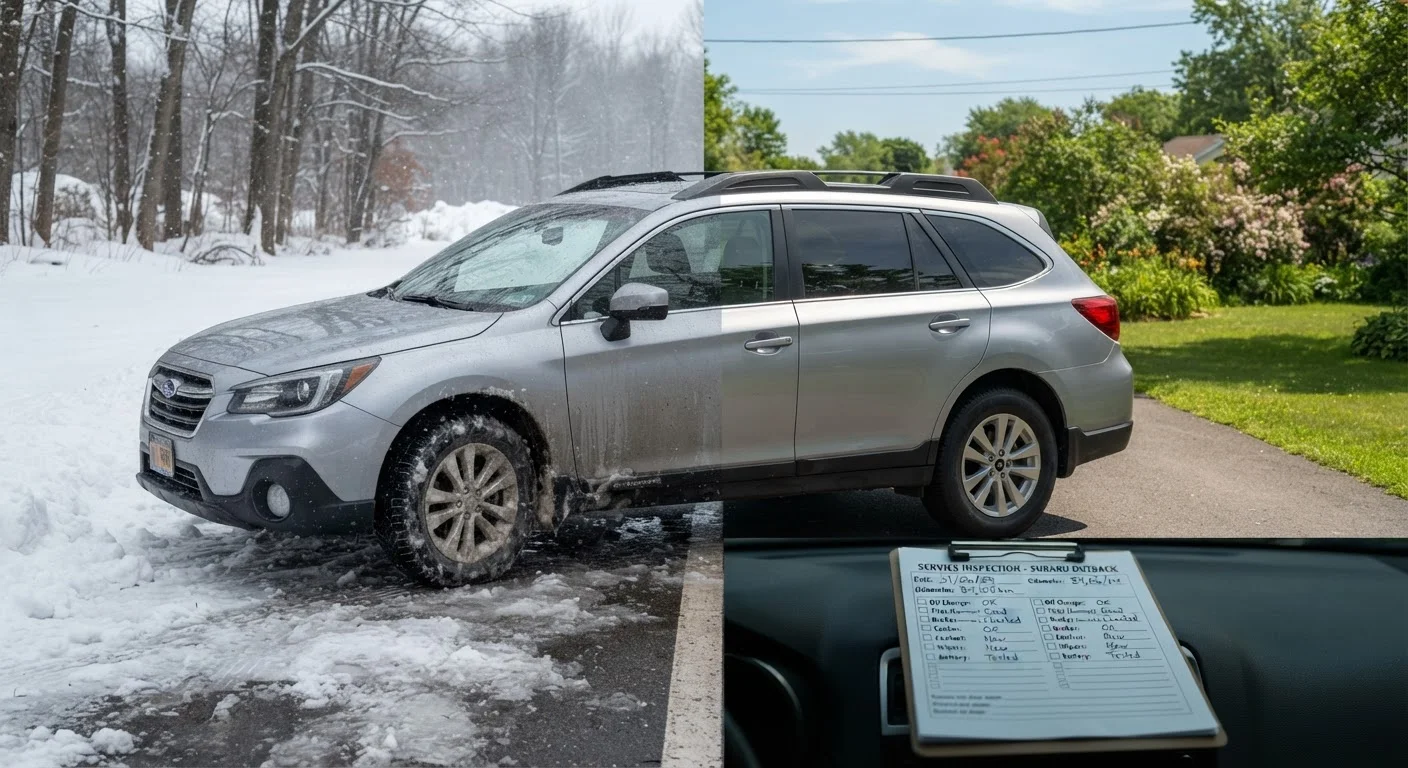
Photo credit: FaqInsider.com
A practical checklist covering what to inspect and address before summer heat and winter cold put extra stress on your vehicle.
Key Takeaways
- Tires, battery, and fluids are the three systems most stressed by extreme temperatures.
- Both summer heat and winter cold require separate, targeted inspection routines.
- Many seasonal checks are visual and require no special tools or mechanical training.
- Catching small issues before a season change is far less costly than roadside repairs.
- A qualified mechanic should handle tasks beyond basic visual or fluid-level checks.
Why Seasonal Preparation Matters
Your vehicle faces a different set of physical demands in July than it does in January. Summer heat accelerates fluid breakdown, overworks cooling systems, and degrades rubber components. Winter cold thickens fluids, reduces battery output, and cuts tire traction. Neither season is forgiving to a car that hasn't been properly maintained.
This checklist is designed so that everyday drivers - not just mechanics - can carry out meaningful pre-season inspections. For a broader look at routine upkeep year-round, see our complete overview for new car owners. And if you're heading out after any inspection, the pre-trip safety walkthrough is a smart companion habit to build.
Work through the checklist below before temperatures swing to their seasonal extremes - not after a problem has already surfaced.
Know When to Call a Professional
This checklist covers visual inspections and fluid-level checks that most drivers can perform safely. Tasks involving brake system components, suspension, electrical diagnosis, or refrigerant handling require trained technicians and, in some cases, specialized equipment. If any inspection reveals something beyond a simple top-off or bulb swap, schedule a professional service appointment rather than attempting the repair without proper training.
What You'll Need
Most of these checks require minimal equipment. Gather the items below before you start so you can work through the list without interruption.
Tire pressure gauge
Accurately measures PSI so you can inflate tires to the manufacturer's specification.
Tread depth gauge or penny
Measures remaining tire tread to assess whether tires are safe for the season ahead.
Flashlight or work light
Illuminates under-hood components, tires, and undercarriage areas during inspection.
Battery load tester
Tests whether the battery can hold a charge under real-world starting conditions.
Coolant tester strips or refractometer
Checks the freeze-protection level of your antifreeze mixture before winter.
Owner's manual
Provides the vehicle-specific fluid specs, service intervals, and tire pressure figures that apply to your exact make and model.
The Seasonal Maintenance Checklist
The checklist is divided into four groups: items relevant to both seasons, summer-specific tasks, winter-specific tasks, and interior and emergency prep. Work through each group systematically, noting anything that needs professional attention.
Both Seasons: Year-Round Priorities
Summer Prep: Heat and Long Drives
Winter Prep: Cold, Ice, and Low Visibility
Interior and Emergency Preparedness
Fluid levels are one of the most overlooked factors in seasonal readiness. Our guide to car fluids explains exactly what each reservoir does and how to read the warning signs. Once your car is ready for the season, review how driving technique changes on wet, snowy, or icy roads to complete your preparation.
Never Ignore the Battery in Extreme Weather
A battery that passes a basic voltage test in mild weather can still fail catastrophically in extreme heat or cold. If your battery is more than three years old, have it load-tested at a service center before the season changes. A stranded vehicle in extreme temperatures is not just an inconvenience - it can be a safety hazard, especially in remote areas or heavy traffic.

Author
Cars Editorial Team
Cars Editorial Team is the collective byline for our editorial team and contributor network. Articles published under this byline or an editorial pen name are researched, written, and reviewed according to our editorial standards for clarity, consistency, and independence before publication.
View all articles →