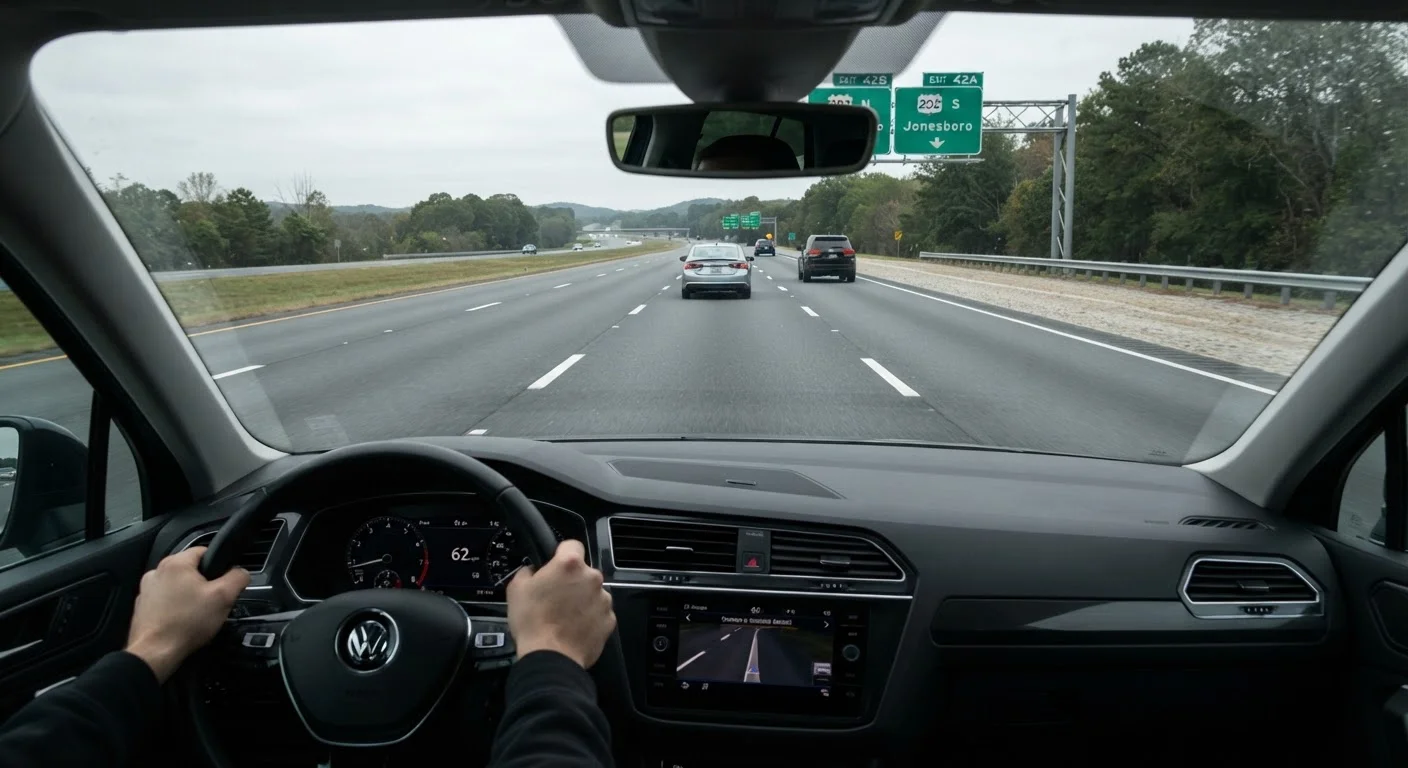
Driving in Rain, Snow, and Ice: Adjusting for Each Surface
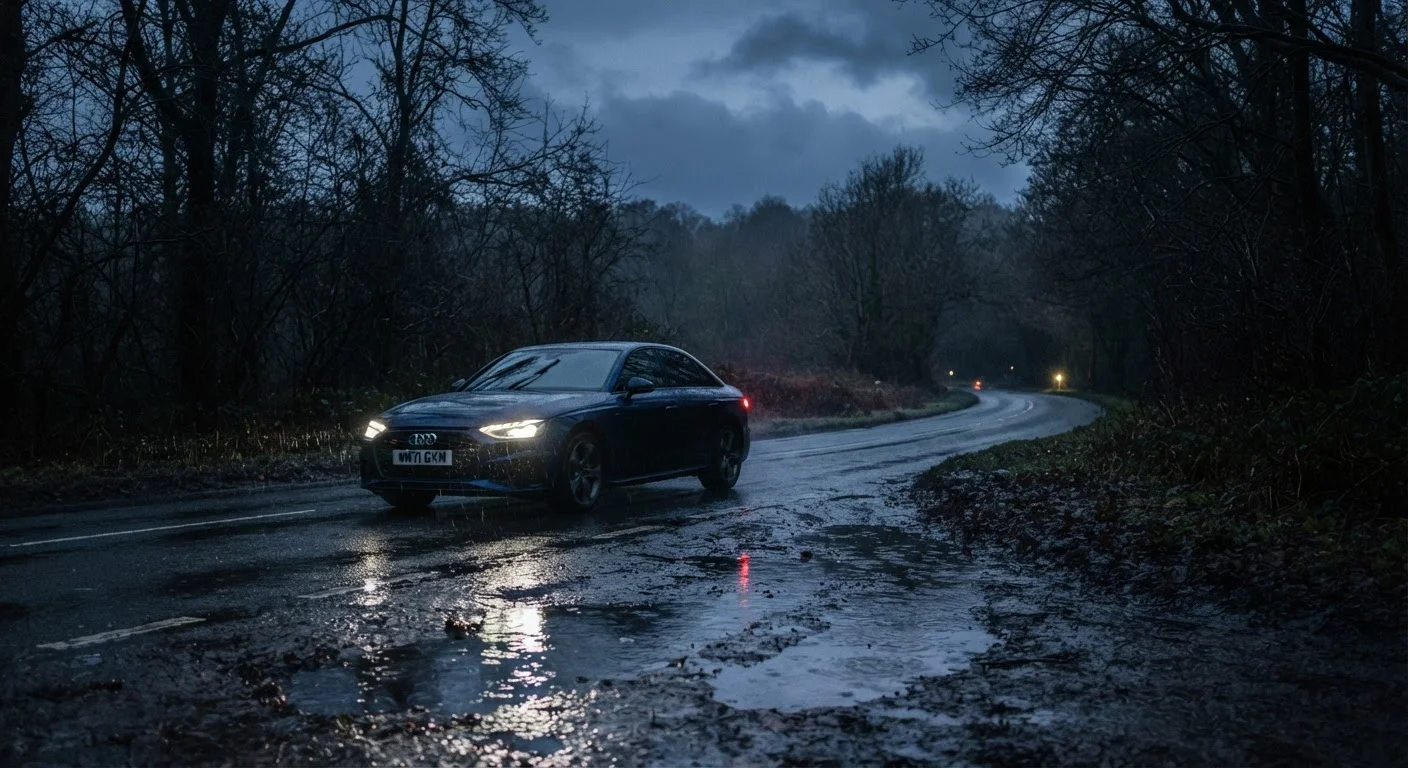
Photo credit: FaqInsider.com
In this article
Wet, snowy, and icy roads each demand different technique. This guide breaks down how traction loss differs and what adjustments help most.
Key Takeaways
- Wet pavement, packed snow, and black ice each reduce traction by different amounts and require different responses.
- Increasing following distance is the single most universally effective adjustment across all adverse conditions.
- Ice offers dramatically less grip than rain or snow - speeds and maneuvers that feel safe in snow can be fatal on ice.
- Smooth, gradual inputs - steering, braking, and accelerating - are the foundation of control on any slippery surface.
- Vehicle safety technology such as ABS and traction control helps, but does not eliminate the physics of reduced grip.
Why Each Surface Is a Different Problem
Traction is what allows your tires to grip the road - to steer, brake, and accelerate as intended. Every wet or frozen surface reduces traction, but the degree varies widely. Understanding how much grip you've lost is what separates appropriate adjustment from dangerous overconfidence.
Rain-wet asphalt typically reduces friction by roughly 30-35% compared to dry pavement. Packed snow can cut grip by 50% or more. Glare ice - the nearly transparent sheet that forms when temperatures hover just below freezing - can reduce traction by as much as 80%. That difference isn't incremental; it's the gap between a manageable skid and a loss of all control.
This is why it matters to recognize the surface before choosing your speed and following distance, not after. For a broader look at the habits that reduce crash risk across a driving lifetime, see safe driving habits that protect you over a lifetime.
| Rain | Packed Snow | Black Ice | |
|---|---|---|---|
| Traction loss vs. dry pavement | ~30-35% | ~50% or more | Up to 80% |
| Recommended following distance | 5-6 seconds | 8-10 seconds | 10+ seconds |
| Primary hazard | Hydroplaning | Sudden hidden ice patches | Near-total loss of grip |
| Braking approach | Earlier, gentler pressure | Firm ABS or threshold | Minimal - plan far ahead |
| Speed adjustment | Moderate reduction | Significant reduction | Dramatic reduction |
| Key vehicle tech | ABS, good tires | AWD/traction control | Winter tires, ABS |
| Visibility impact | Reduced by spray/fog | Reduced by snowfall | Often deceptively clear |
Driving in Rain: Managing a Surface That Changes Fast
Rain creates two distinct hazards: reduced friction and hydroplaning. Hydroplaning occurs when a tire's tread cannot channel water away fast enough and the tire briefly rides on a film of water, losing contact with the road entirely. It typically begins at highway speeds on standing water and can happen in well under a second.
Key adjustments for rain:
- Slow down before wet sections, not during them. Hard braking on wet pavement is where drivers lose control. Reduce speed gradually on dry pavement when you can see wet road ahead.
- Double your following distance. Wet stopping distances are significantly longer than dry ones. The standard three-second rule should become at minimum five to six seconds in rain.
- Avoid standing water. Even shallow puddles can conceal potholes or trigger hydroplaning. If you must pass through, reduce speed first.
- Steer smoothly. Abrupt steering inputs break traction more easily on wet surfaces.
Your wipers and tires both matter here. Worn wiper blades and tires with low tread depth are among the most common contributors to rain-related incidents. See the pre-trip safety walkthrough for a quick check routine.
Driving in Snow: Smooth Inputs Over Everything
Snow driving rewards patience. The primary rule on packed snow is to make every control input - accelerating, braking, and steering - as gradual and smooth as possible. Sudden movements transfer weight abruptly and break the limited traction you have.
Key adjustments for snow:
- Accelerate slowly from stops. Spinning tires on snow dig in and lose grip. Ease into the throttle gently until the vehicle begins moving.
- Brake earlier and more gently. If your vehicle has ABS (antilock braking system), firm steady pressure is appropriate; if not, threshold braking - applying pressure just short of lockup - is more effective than pumping.
- Increase following distance to at least eight to ten seconds. Stopping distances on snow can be double or triple those on dry roads.
- Watch for hidden ice beneath snow. Bridge decks, shaded sections, and intersections where traffic compacts snow often hide the most slippery patches.
Traction control and all-wheel drive help you accelerate more confidently on snow, but neither shortens stopping distance. Appropriate speed in adverse conditions is always the driver's responsibility, not the vehicle's.
Test Grip Before You Need It
On any potentially slippery road, find a safe moment - an empty stretch of road with no traffic behind you - to gently test braking response at low speed. This gives you real-time feedback on actual surface conditions rather than assumptions. What feels like packed snow may behave like ice. A brief, controlled test at 15-20 mph can tell you more than any weather forecast.
Driving on Ice: When the Margin for Error Is Nearly Zero
Ice - particularly black ice, which is nearly invisible against pavement - is the most unforgiving surface a driver can encounter. At temperatures just below freezing, road surfaces can glaze over in minutes. Bridges and overpasses freeze first because cold air surrounds them from all sides.
Key adjustments for ice:
- Reduce speed dramatically. Speeds that feel manageable on snow can make a vehicle completely uncontrollable on ice. If conditions suggest ice, cut your speed by at least half.
- Make no sudden movements. Even light steering inputs or gentle braking can cause a slide on ice. Pre-plan turns well ahead of time.
- Know what to do if you begin to slide. Look and steer where you want to go, ease off the throttle, and avoid stamping the brakes. How to navigate a skid without making it worse covers the correct responses for both front-wheel and rear-wheel skids.
- When in serious doubt, don't drive. Ice conditions that develop rapidly or in unfamiliar areas may warrant waiting for treatment by road crews.
Preparing your vehicle before winter conditions arrive is also essential. Seasonal car maintenance for extreme weather covers the inspections that matter most before temperatures drop.

Author
Cars Editorial Team
Cars Editorial Team is the collective byline for our editorial team and contributor network. Articles published under this byline or an editorial pen name are researched, written, and reviewed according to our editorial standards for clarity, consistency, and independence before publication.
View all articles →