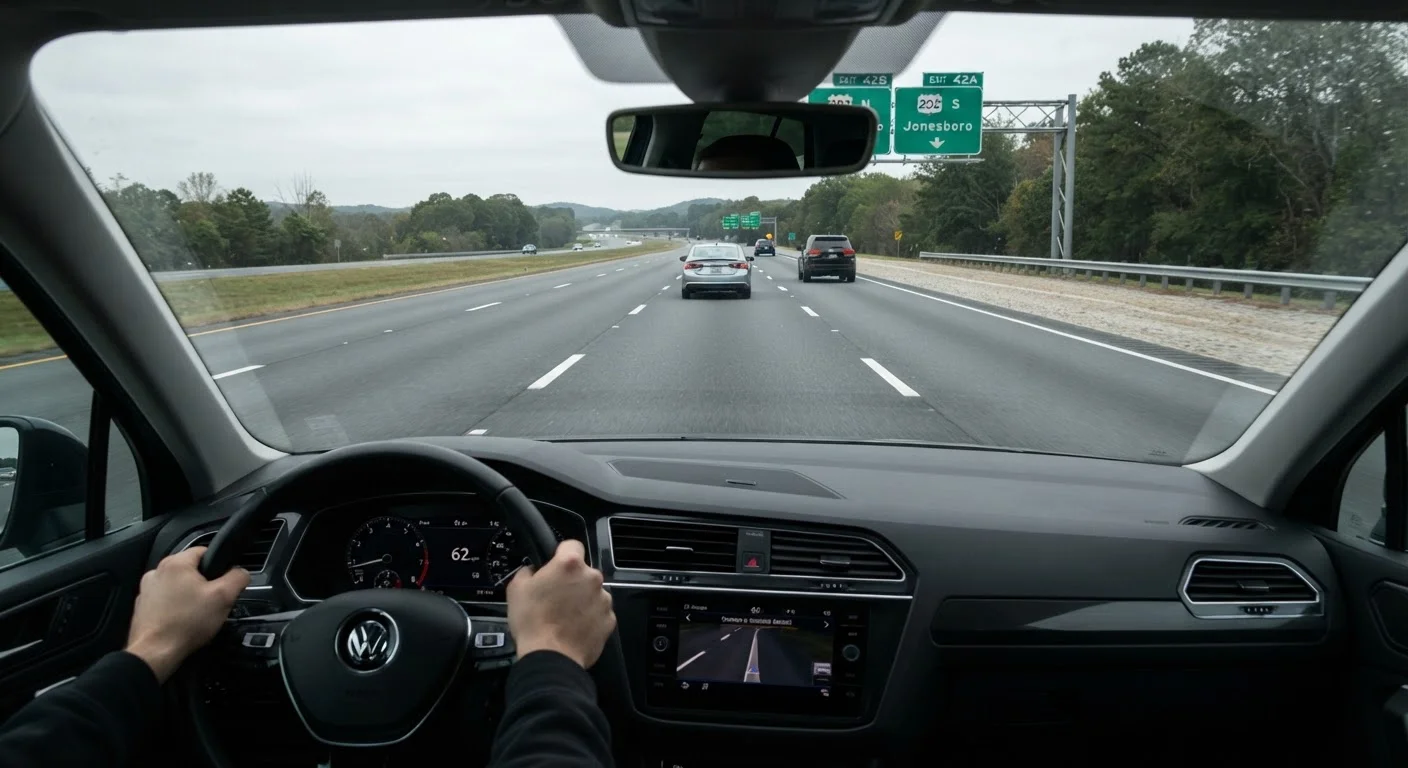
Before You Pull Out of the Driveway: A Pre-Trip Safety Walkthrough
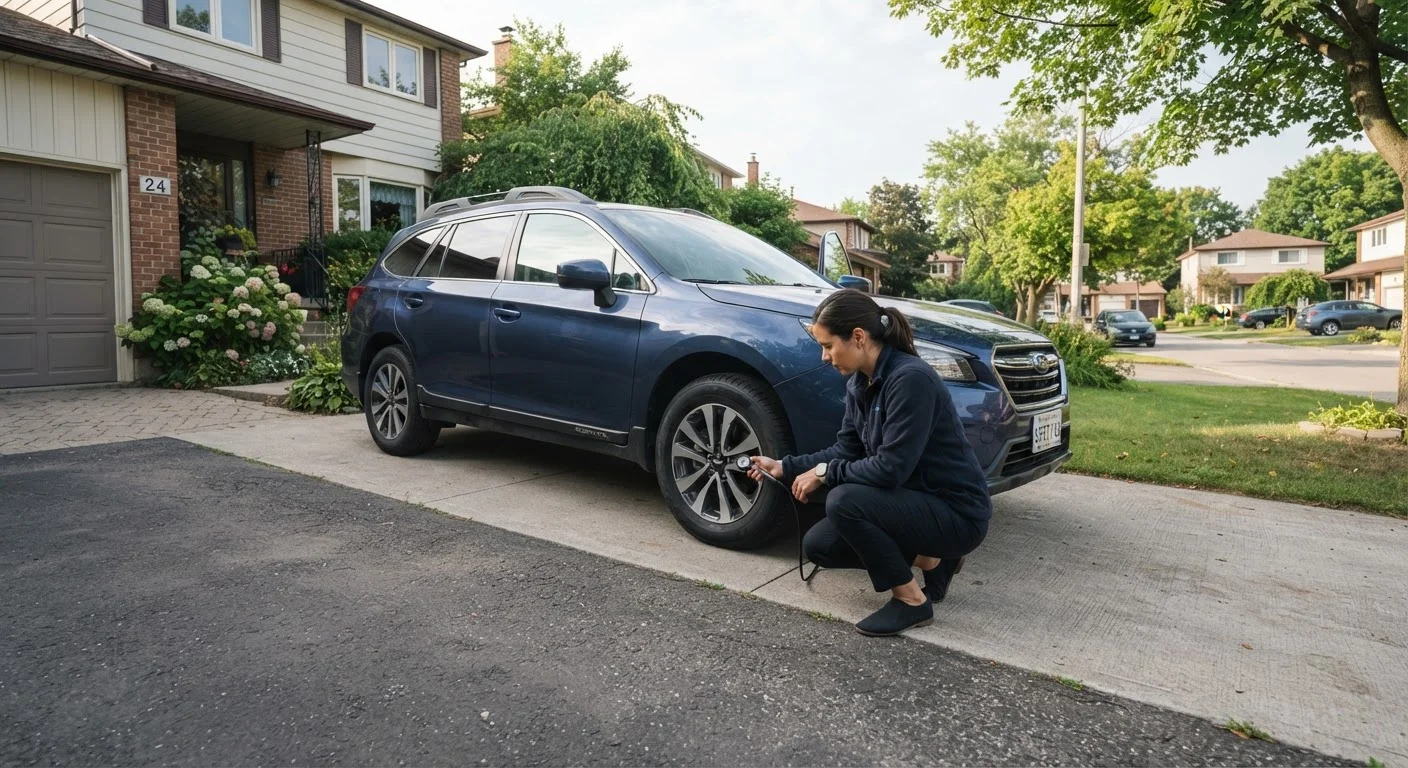
Photo credit: FaqInsider.com
In this article
Tires, mirrors, lights, wipers—a quick walk around your car before driving can catch issues that cause crashes. Use this checklist every time.
Key Takeaways
- Most pre-trip vehicle checks take under ten minutes and require no tools.
- Tires, lights, mirrors, and brakes are the four systems most likely to contribute to a crash.
- A quick exterior walk-around can reveal flat tires, fluid puddles, or broken lights before you pull out.
- Adjusting mirrors and checking dashboard warning lights should happen every time you get in the car.
- Building a consistent pre-trip routine is one of the most effective safety habits a driver can develop.
Why a Pre-Trip Check Belongs in Every Driver's Routine
Traffic safety research consistently identifies vehicle condition as a contributing factor in a meaningful share of crashes. Defective tires, inoperative lights, and compromised brakes don't announce themselves - they fail silently until the moment you need them most. A structured pre-trip walkthrough is the low-effort habit that closes that gap.
This checklist is built for everyday drivers - not fleet managers or mechanics. Every item here can be completed without tools, without lifting the hood, and without specialized knowledge. The goal is awareness: catching something off before you're doing highway speeds.
For longer road trips or adverse weather, this routine pairs well with understanding how road surface changes affect driving and reviewing the broader habits that reduce lifetime crash risk.
Exterior Walk-Around
Inside the Cabin
Controls and Systems
Before Long Trips or Adverse Conditions
What to Do When Something Looks Wrong
This checklist is designed to surface problems, not solve them. If you spot an issue - a visibly low tire, a dashboard warning light that won't clear, brake pedal softness - the right call is to address it before driving, not to monitor it en route.
Don't Drive on a Suspected Brake Problem
A soft or spongy brake pedal, a vehicle that pulls sharply to one side when braking, or a grinding noise when stopping are all signs that warrant immediate attention from a qualified mechanic. Driving on compromised brakes puts you, your passengers, and other road users at serious risk. Have the vehicle towed or inspected before driving it further.
For dashboard lights specifically, knowing what each symbol means changes how urgently you respond. Our guide to dashboard warning lights and what triggers them breaks down which ones mean stop immediately and which are lower priority. Similarly, brake wear often signals itself before audible squealing - a soft pedal or pulling to one side is worth acting on the same day.
If you're unsure whether an issue is serious, a quick stop at a repair shop for a visual inspection is a low-cost way to get certainty. Don't let uncertainty become a reason to delay.
Tire Pressure Gauge
Measures actual tire inflation to confirm tires are within the manufacturer's recommended PSI range.
Dipstick (built-in)
Used to check engine oil level before long trips - located in the engine bay, labeled on most vehicles.
Portable Jump Starter
Allows you to restart a dead battery without needing another vehicle - useful to carry in the trunk.
Reflective Emergency Triangle or Flares
Alerts other drivers if you are stopped on the roadside - required equipment in many states.
Basic First-Aid Kit
Provides materials to manage minor injuries while waiting for emergency services.
Making the Habit Stick
Consistency matters more than perfection. Drivers who do a partial check every time will catch more problems than those who do a thorough check occasionally. Attach the walkthrough to something you already do - locking the front door, putting on sunglasses, setting your navigation - and it becomes automatic within a few weeks.
If you drive with passengers, especially children, involve them in age-appropriate steps. Asking a teenager to confirm that all four tires look inflated is both useful and educational. Driving at night introduces additional risks that complement these checks - our guide on night driving hazards and how to manage them covers what changes after dark. And if fatigue is a factor before you even get in the car, review the warning signs of drowsy driving before you pull out.
This checklist is one piece of a broader car maintenance routine that keeps your vehicle safe and reliable over time. Build the habit now - your future self will thank you.

Author
Cars Editorial Team
Cars Editorial Team is the collective byline for our editorial team and contributor network. Articles published under this byline or an editorial pen name are researched, written, and reviewed according to our editorial standards for clarity, consistency, and independence before publication.
View all articles →