
Why Brake Maintenance Shouldn't Wait Until You Hear Squealing
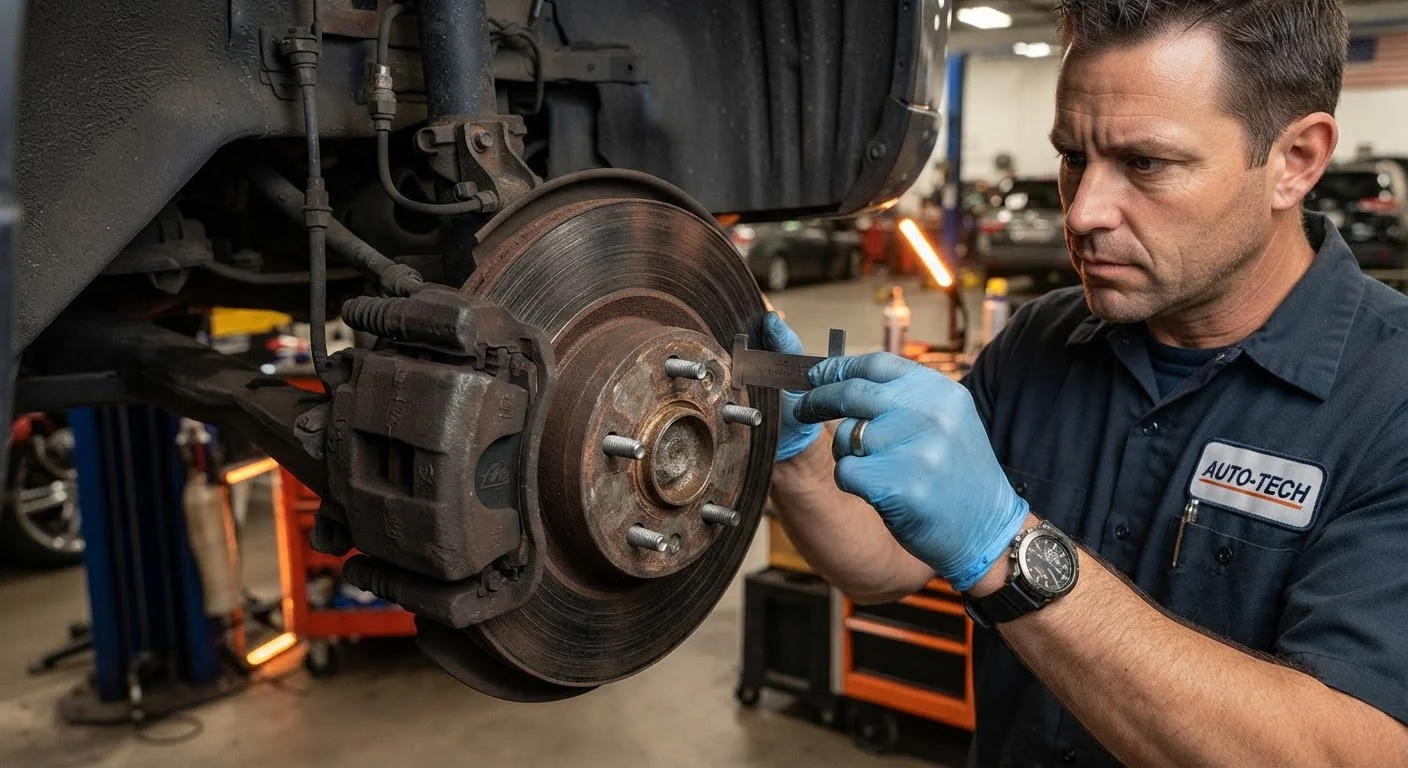
Photo credit: FaqInsider.com
In this article
Squealing brakes are already a late signal. Understand how brake pads, rotors, and fluid degrade—and the signs to catch problems earlier.
Key Takeaways
- Squealing brakes signal wear that is already well advanced - not a starting point for inspection.
- Brake pads, rotors, and fluid all degrade on different timelines and need separate attention.
- Visual inspection of brake pad thickness is something most drivers can do without tools.
- Brake fluid should generally be tested or replaced every two to three years regardless of mileage.
- Soft pedal feel, pulling to one side, and vibration are earlier warning signs than noise.
- Delaying brake service typically turns a pad replacement into a costlier rotor or caliper job.
The Squeal Is Already Late
That high-pitched squeal from your brakes isn't an early warning - it's a deliberate final alert. Manufacturers build a small metal wear indicator into brake pads specifically to make noise when the friction material is nearly gone. By the time you hear it, you've already used most of the pad's usable life, and the rotor may already be at risk.
Treating the squeal as your cue to act means you've skipped past all the earlier, cheaper intervention points. Understanding what's actually happening inside your brakes - and how each component wears - puts you in control of the timeline, not the other way around.
Just as dashboard warning lights often signal conditions that have been developing for a while, brake noise represents wear that didn't happen overnight. The system was communicating earlier - just more quietly.
How Brake Components Actually Wear
Your braking system has three main wear points, each aging on its own schedule.
Brake Pads
Pads are the consumable part of the system - intentionally designed to wear down as they clamp against the rotor. Friction material thickness is the key metric. New pads typically start at 10-12 mm. At 4 mm, many mechanics recommend planning replacement. At 2-3 mm, replacement is urgent. The wear rate depends heavily on driving style: frequent hard stops in city traffic eat through pads far faster than steady highway cruising.
Rotors
Rotors are the metal discs the pads press against. They wear through two mechanisms: gradual thinning from friction, and surface damage from metal-on-metal contact when pads are completely worn through. Rotors also develop heat-related warping over time, which creates the pulsating or vibrating pedal feel some drivers notice. Rotors have a minimum thickness spec - once they fall below it, replacement is required.
Brake Fluid
Unlike pads and rotors, fluid wears chemically rather than mechanically. It absorbs atmospheric moisture through the brake lines and reservoir over months and years. As water content rises, the fluid's boiling point drops. Under sustained heavy braking - on a long downhill, for example - overheated fluid can vaporize, causing a sudden, dramatic loss of pedal pressure. This is called brake fade, and it's a serious safety condition.
2-3 mm
Brake pad thickness requiring urgent replacement
Most vehicle manufacturers and brake component producers flag this thickness as the replacement threshold to prevent rotor damage.
Every 2-3 years
Recommended brake fluid service interval
Many automakers recommend testing or replacing brake fluid on this schedule regardless of mileage, due to moisture absorption over time.
25,000-70,000 miles
Typical brake pad lifespan range
The wide range reflects differences in driving patterns, vehicle weight, and pad material - city drivers are typically at the lower end.
Earlier Warning Signs Worth Knowing
Before the squeal, your brakes often signal trouble in subtler ways. Knowing these signs lets you act earlier and less expensively.
- Soft or spongy pedal: The pedal travels farther than usual before resistance builds. Often indicates moisture-compromised brake fluid or air in the lines.
- Pulling to one side when braking: Uneven pad wear or a sticking caliper on one side creates unequal braking force, tugging the car left or right.
- Vibration or pulsation through the pedal: Usually points to warped rotors. The pads are gripping an uneven surface with each rotation.
- Grinding noise: Worse than squealing - metal is already contacting metal. Pad material may be entirely gone.
- Longer stopping distances: Hard to detect in everyday driving but worth noting if braking feels less responsive than it used to.
If you notice any of these, it's worth having a qualified mechanic inspect the brakes promptly. See our guide on which maintenance tasks are safe to DIY to understand where brake inspections sit on that spectrum.
Schedule Brake Checks at Tire Rotations
Pairing a brake inspection with every tire rotation - typically every 5,000 to 7,500 miles - creates a reliable check-in rhythm without requiring a separate appointment. Technicians can measure pad thickness precisely and assess rotor condition while the wheels are already off. It's one of the most efficient habits for staying ahead of brake wear.
What You Can Check Without a Lift
You don't need a shop to get a basic sense of your brake pad condition. On most vehicles, looking through the wheel spokes gives you a view of the pad pressed against the rotor. If the friction material appears thinner than roughly a quarter-inch, schedule a professional inspection.
Also check the brake fluid reservoir under the hood - it's usually a small translucent plastic container near the firewall. The fluid level should fall between the MIN and MAX lines. A low level can indicate a leak or that pads have worn enough to draw more fluid into the calipers. Fluid that appears dark brown rather than clear or light yellow is a sign it may need testing or replacement.
These quick checks pair well with the kind of pre-drive habit described in our pre-trip safety walkthrough - small habits that catch developing problems before they become emergencies.
Brake Fluid Testing Is Quick and Inexpensive
Many shops offer moisture content testing of brake fluid at low or no cost - the test takes only a few minutes using a simple electronic tester. This tells you the percentage of water in the fluid and whether it's approaching the point where its boiling point is compromised. Asking for this test during any service visit is a straightforward way to stay on top of fluid condition.
Frequently Asked Questions

Author
Cars Editorial Team
Cars Editorial Team is the collective byline for our editorial team and contributor network. Articles published under this byline or an editorial pen name are researched, written, and reviewed according to our editorial standards for clarity, consistency, and independence before publication.
View all articles →