
Secured vs. Unsecured Debt: Why the Distinction Changes Everything
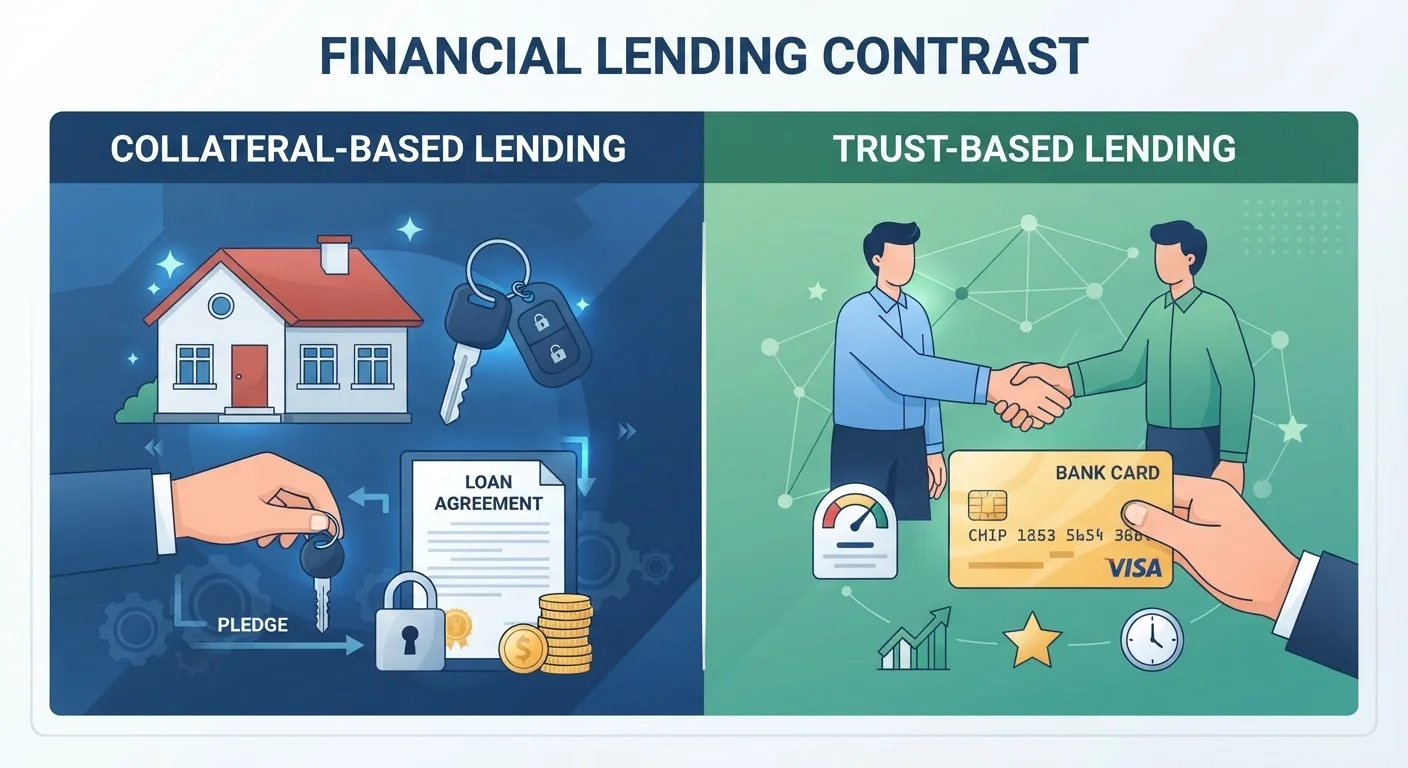
Photo credit: FaqInsider.com
In this article
Understand what separates secured from unsecured debt, how lenders treat each differently, and what it means for borrowers in financial trouble.
Key Takeaways
- Secured debt requires collateral - an asset the lender can claim if you stop paying.
- Unsecured debt relies on your creditworthiness alone, with no specific asset at risk.
- Defaulting on secured debt can mean losing your home, car, or other pledged property.
- Unsecured debt defaults typically lead to collections, credit damage, and potential lawsuits - but no direct asset seizure.
- Interest rates on unsecured debt are generally higher because lenders take on more risk.
- Knowing which type of debt you carry changes how you should prioritize repayment.
What Makes a Debt 'Secured'?
A secured debt is any loan or credit agreement backed by a specific piece of property - called collateral. Collateral is something of value that you agree the lender can take and sell if you fail to repay. The most common examples are mortgages (where your home is the collateral) and auto loans (where the vehicle serves that role).
Because the lender has a legal claim - often called a lien - on that asset, their financial risk is reduced. If a borrower defaults, the lender can repossess the car or foreclose on the home to recover their money. That reduced risk is usually reflected in lower interest rates compared to unsecured borrowing.
This doesn't mean secured debt is without danger for borrowers. Quite the opposite: the stakes are higher precisely because a tangible, often essential asset is on the line. Missing payments on your mortgage isn't just a credit score problem - it can mean losing your home.
What Makes a Debt 'Unsecured'?
Unsecured debt carries no collateral requirement. The lender extends credit based on your creditworthiness - your credit score, income, debt-to-income ratio, and repayment history. Common examples include credit cards, medical bills, personal loans, and student loans.
Because there's no specific asset backing the loan, lenders take on more risk. To compensate, they typically charge higher interest rates. If a borrower stops paying an unsecured debt, the lender cannot immediately seize property. Instead, they may send the account to collections, report the delinquency to credit bureaus, or eventually pursue a court judgment - which could, in some cases, lead to wage garnishment depending on state law.
That process takes time and legal steps. It's damaging, but it plays out differently than losing a home or vehicle. For a broader look at how debt functions in your financial life, see Managing Debt Without Letting It Manage You.
| Criterion | Secured Debt | Unsecured Debt |
|---|---|---|
| Collateral required | Yes - specific asset pledged | No - based on creditworthiness |
| Common examples | Mortgage, auto loan, HELOC | Credit cards, personal loans, medical debt |
| Typical interest rates | Generally lower | Generally higher |
| Consequence of default | Repossession or foreclosure of asset | Collections, credit damage, possible judgment |
| Lender's risk level | Lower - collateral provides recourse | Higher - no direct asset claim |
| Borrowing limits | Often higher, tied to asset value | Often lower, tied to credit profile |
| Credit-building potential | Yes, including secured card products | Yes, especially with on-time payments |
How This Distinction Affects Repayment Priorities
When money is tight and you can't pay every bill on time, the secured-versus-unsecured distinction should directly inform which debts you tackle first. Financial hardship forces difficult choices, and understanding what's at stake with each type of debt helps you make them more deliberately.
As a general principle, debts secured by essential assets - your primary home, your only vehicle - warrant priority attention. Losing those assets can disrupt your entire financial situation in ways that take years to recover from. Unsecured debts, while serious, typically allow more time before consequences escalate to the most severe outcomes.
~$1.1T
U.S. revolving consumer credit outstanding
The Federal Reserve's consumer credit data consistently shows over a trillion dollars in revolving (largely unsecured) credit balances held by American households.
~70%
Homeowners with a mortgage (secured debt)
According to U.S. Census Bureau housing data, roughly 70% of owner-occupied homes carry a mortgage, making it the most common form of secured debt for American families.
That said, this is general educational information, not personalized financial advice. If you're dealing with unmanageable debt, a nonprofit credit counselor or licensed financial professional can help you evaluate your specific options. You may also want to review Debt Management Plans, Debt Settlement, and Bankruptcy for an overview of formal resolution paths.
Secured and Unsecured Debt in Credit-Building and Consolidation
The secured/unsecured distinction also matters when you're trying to build credit or simplify debt. Secured credit products - like secured credit cards or credit-builder loans - use a deposit or savings account as collateral, reducing lender risk and making approval more accessible for people with thin or damaged credit histories. See Secured Cards, Credit-Builder Loans, and Authorized User Status for how these options differ.
When exploring debt consolidation, the type of debt matters too. Some consolidation approaches involve converting unsecured debt into secured debt - for instance, taking out a home equity loan to pay off credit cards. This can lower your interest rate, but it also transforms obligations that previously posed no asset risk into ones that could cost you your home if you default. Debt Consolidation: What It Actually Does to Your Finances walks through these trade-offs in detail.
Debt type also intersects with how credit is structured. Revolving credit (like credit cards) and installment loans (like auto or personal loans) each behave differently - a distinction worth understanding alongside the secured/unsecured divide. Revolving Credit vs. Installment Loans explains how these structures compare.
This article is for general informational and educational purposes only and does not constitute personalized financial, legal, or tax advice. Consult a qualified financial professional for guidance specific to your situation.

Author
Finance Editorial Team
Finance Editorial Team is the collective byline for our editorial team and contributor network. Articles published under this byline or an editorial pen name are researched, written, and reviewed according to our editorial standards for clarity, consistency, and independence before publication.
View all articles →