
What Happens to Debt When It Goes Unpaid for a Long Time
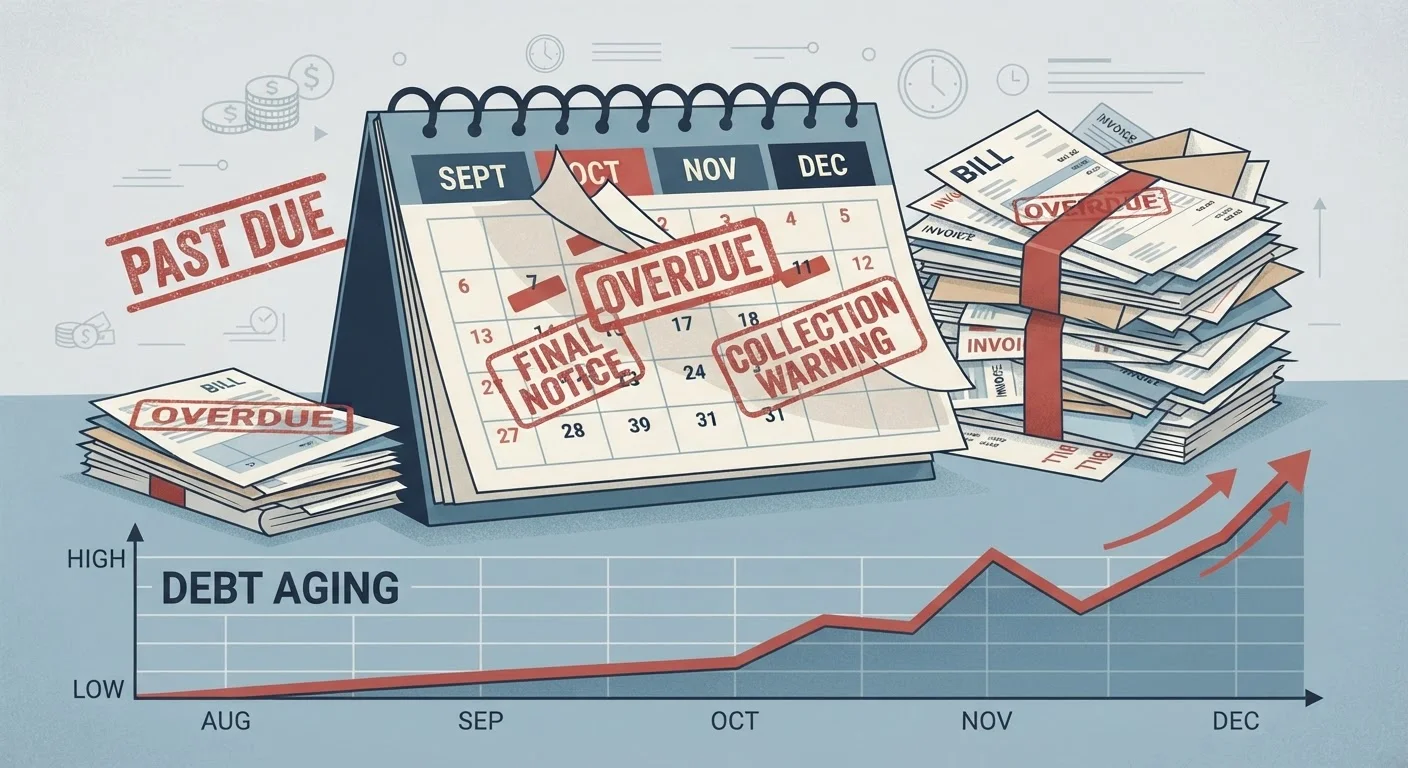
Photo credit: FaqInsider.com
In this article
From missed payment to charge-off to collections and beyond—a clear explanation of how unpaid debt moves through the system and what each stage means.
Key Takeaways
- Missed payments trigger delinquency within 30 days and begin damaging your credit score immediately.
- After roughly 180 days, most lenders charge off the debt - but you still legally owe it.
- Charged-off debt is often sold to third-party collectors who may pursue repayment aggressively.
- A statute of limitations limits how long collectors can sue you over a debt, but it doesn't erase what you owe.
- Unpaid debts can stay on your credit report for up to seven years, affecting your ability to borrow.
- Acting early - even with a partial payment plan - typically produces better outcomes than waiting.
The First Stage: Delinquency
The moment you miss a payment due date, your account becomes delinquent. For most lenders, this starts the clock. Technically, a creditor can report a missed payment to the credit bureaus once it is 30 days past due - and that first late mark can drop your credit score meaningfully, depending on your overall profile.
Between 30 and 90 days past due, most creditors will attempt contact - calls, letters, and emails - and may charge late fees or increase your interest rate. During this window, catching up is still relatively straightforward. If you're struggling to make payments, many creditors have hardship programs that are worth asking about directly.
After 90 days, the account is considered seriously delinquent, and the creditor will typically begin internal collections efforts. This is a pivotal moment: acting here - even if you can only make a partial payment or arrange a modified plan - is far better than waiting. See our guide to managing debt for practical strategies at this stage.
Contact Your Lender Before Missing a Payment
Many creditors offer hardship programs, payment deferrals, or modified terms for borrowers who reach out proactively. Waiting until you've already missed payments reduces your leverage. Even a short call explaining your situation can open options that aren't advertised on the lender's website.
Charge-Off: What It Really Means
If an account remains unpaid for approximately 120 to 180 days, federal banking guidelines generally require lenders to charge off the debt. This is an accounting move - the lender removes the balance from its books as an expected loss. But here is a critical point that confuses many consumers: a charge-off does not mean the debt is forgiven or erased.
The charge-off notation appears on your credit report as a serious negative mark. The debt remains legally valid, and the lender retains the right to continue collection efforts or sell the balance to a third party. For a plain-language definition of this and related terms, the debt and credit glossary is a useful reference.
7 years
How long most negative items stay on your credit report
Under the Fair Credit Reporting Act (FCRA), charge-offs and collection accounts are reportable for seven years from the original delinquency date.
120-180 days
Typical time before a lender issues a charge-off
Federal banking guidelines generally require lenders to charge off unpaid consumer debt after this period of non-payment.
3-10 years
Range of debt statute of limitations by state
State laws vary widely; the applicable window depends on your state and the type of debt involved.
Collections: Third-Party Debt Buyers Enter the Picture
After a charge-off, many lenders sell the debt to a debt collection agency or a debt buyer, often for a fraction of the original balance. The collection agency now owns the debt and has the legal right to collect the full amount from you. This is why consumers sometimes receive calls from companies they've never heard of about debts from years earlier.
Collection accounts appear separately on your credit report and further damage your score. Collectors are legally required to follow the Fair Debt Collection Practices Act (FDCPA), which prohibits harassment, deceptive tactics, and contacting you at unreasonable hours. If you believe a collector is violating these rules, you can file a complaint with the Consumer Financial Protection Bureau (CFPB).
The type of debt matters significantly here. Secured versus unsecured debt follow different paths - a creditor holding collateral (like a car loan or mortgage) has additional tools, including repossession or foreclosure, that unsecured creditors do not.
Statutes of Limitations and the Credit Report Clock
Two separate timelines govern old debt, and confusing them is a common mistake.
- The statute of limitations is a state law that limits how many years a creditor or collector can successfully sue you to recover the debt. This period typically ranges from 3 to 10 years depending on your state and the type of debt. Once it expires, a lawsuit becomes legally barred - though collectors may still contact you.
- The credit reporting period is governed by the Fair Credit Reporting Act (FCRA). Most negative items, including charge-offs and collection accounts, can remain on your credit report for seven years from the original delinquency date, regardless of the statute of limitations.
One important caution: making a payment on an old debt - or in some states, even acknowledging the debt in writing - can restart the statute of limitations clock. Before taking any action on a very old debt, it is worth consulting a nonprofit credit counselor or a consumer law attorney.
Zombie Debt: Proceed With Caution
Debt that is past the statute of limitations is sometimes called 'zombie debt.' Collectors may still attempt to collect it, and they are legally permitted to contact you - but they cannot successfully sue you in most states after the window closes. Be cautious: making any payment or even promising to pay in writing can restart the statute of limitations in some states, potentially giving collectors renewed legal power to sue. Always verify the age and type of a debt before responding to collectors on very old accounts.
What You Can Do at Each Stage
The earlier you address unpaid debt, the more options you have. Here is a general framework:
- Before 30 days past due: Contact your lender immediately. Request a payment deferral, hardship plan, or modified terms. Most lenders prefer some repayment over none.
- 30-90 days past due: Prioritize this debt above discretionary spending. A personal debt audit can help you identify which balances need the most urgent attention.
- After charge-off or in collections: You can still negotiate - debt buyers often accept less than the full balance. Get any settlement agreement in writing before making payment, and confirm how the account will be reported.
- If debt becomes unmanageable: Formal options exist, including debt management plans, debt settlement, and bankruptcy. Our overview of debt relief options explains how each one works and what trade-offs each carries.
This article is for general informational and educational purposes only and does not constitute personalized financial, legal, or tax advice. Consult a qualified financial professional or attorney for guidance specific to your situation.
Frequently Asked Questions

Author
Finance Editorial Team
Finance Editorial Team is the collective byline for our editorial team and contributor network. Articles published under this byline or an editorial pen name are researched, written, and reviewed according to our editorial standards for clarity, consistency, and independence before publication.
View all articles →