
How to Rebuild an Emergency Fund After You've Had to Use It
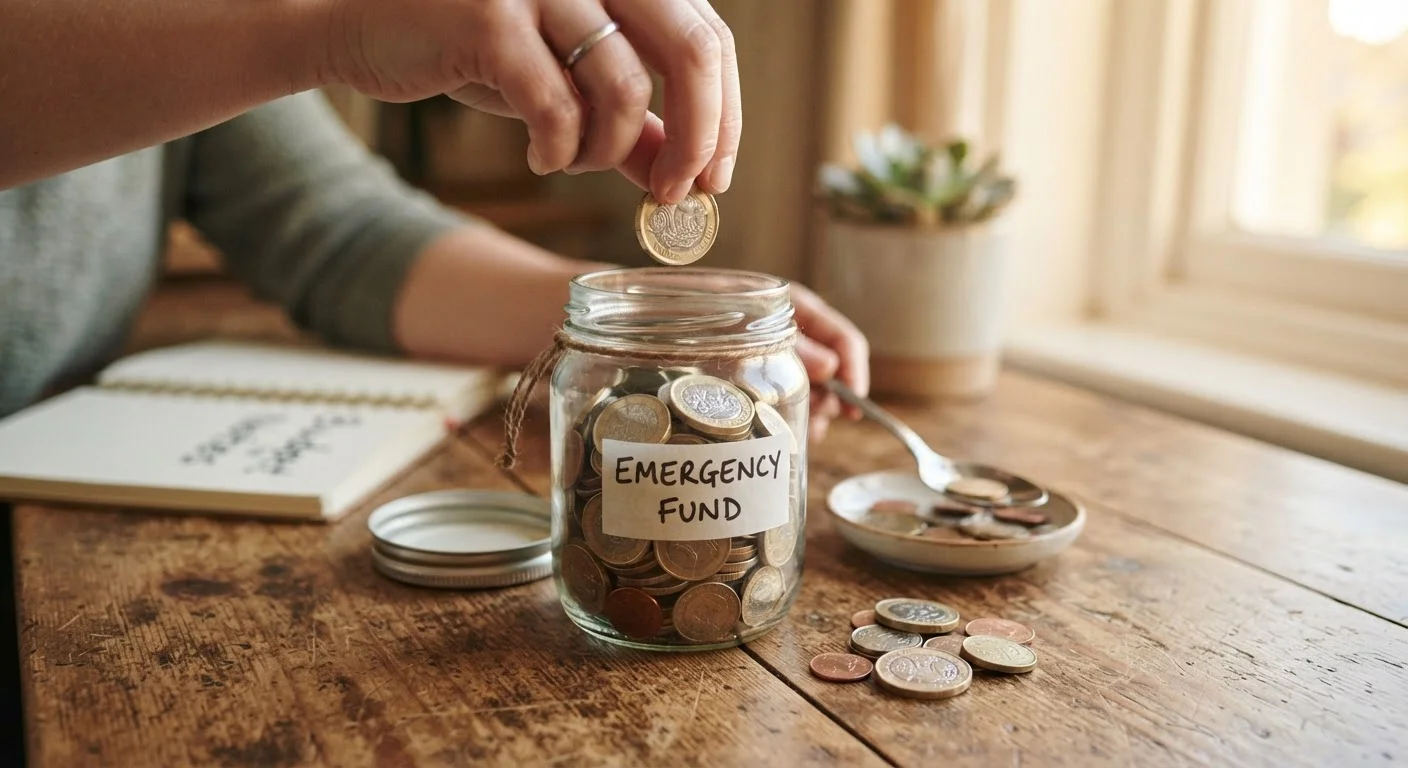
Photo credit: FaqInsider.com
In this article
Draining your emergency fund is exactly what it's there for. Here's a practical approach to replenishing it without feeling overwhelmed or behind.
Key Takeaways
- Using your emergency fund for a real emergency is exactly the right decision - no guilt needed.
- Rebuilding starts with recalculating your target and setting a temporary, realistic monthly contribution.
- Automating transfers to a dedicated savings account removes the friction that derails most rebuilding efforts.
- Small, consistent contributions outperform large, infrequent ones when you're recovering financially.
- Once rebuilt, reassess whether your original target still fits your current life circumstances.
Why rebuilding feels harder than starting
When you build an emergency fund from scratch, every dollar deposited feels like progress. When you're rebuilding after a setback, the same deposit can feel like you're just treading water - especially if the emergency that drained the fund was stressful in its own right.
That psychological friction is real, but it doesn't reflect financial reality. Rebuilding is the same mechanical process as building: consistent contributions over time. The difference is mostly emotional, and naming that clearly makes it easier to work past.
If you never formally built your fund the first time around, the step-by-step walkthrough for first-time savers offers useful framing alongside this guide.
What you will need
Tools and approach before you start
You don't need complex financial tools to rebuild - just a clear account structure and a repeatable system. The essentials are listed below.
Dedicated savings account
Holds your emergency fund separately from everyday spending money, reducing the temptation to dip in.
Automatic transfer or direct deposit split
Routes a fixed amount to savings on payday without requiring manual action each cycle.
Monthly budget tracker (spreadsheet or app)
Helps identify where a temporary extra contribution can fit within your current income and expenses.
Use a Separate, Named Account
Keeping your emergency fund in a dedicated savings account - ideally labeled 'Emergency Fund' - makes it psychologically harder to spend casually. Many banks and credit unions let you name sub-accounts, which creates a small but effective mental barrier against unnecessary withdrawals.
For a broader look at how emergency fund management fits into long-term financial resilience, the comprehensive emergency savings guide covers every stage from first dollar to long-term maintenance.
Step-by-step: Replenishing your fund
Follow these steps in order. Each one builds on the last, and none requires a large income or a perfect financial situation to execute.
Acknowledge the gap without panic
Before you can rebuild, you need to know what you're working with. Check your emergency fund balance and calculate the difference between what's there now and your original target. Write it down as a neutral number - not a source of shame, just a planning figure.
If you're not sure what your target should be, a common rule of thumb is three to six months of essential living expenses. Your personal number depends on job stability, household size, and other factors.
Set a temporary monthly contribution goal
Divide your shortfall by the number of months you'd like to take to rebuild. Be honest about what's feasible. If rebuilding $3,000 in six months requires $500 a month you don't have, stretch the timeline to 12 or 18 months instead.
A contribution you can actually sustain matters more than an ambitious one you'll abandon. Treat this as a temporary budget line item, separate from your regular savings or investment contributions.
Find the money in your current budget
Review your last 60 days of spending and look for three categories: subscriptions you've forgotten about, discretionary categories you can trim temporarily, and any expected one-time income (a tax refund, overtime pay, freelance work). Even redirecting $75-$150 per month from flexible spending can meaningfully close the gap over time.
This doesn't require a drastic lifestyle change - just a deliberate, temporary adjustment with a clear end date.
Automate your contributions
Set up an automatic transfer from your checking account to your emergency savings account to coincide with your payday. Automating removes the decision from your weekly routine, which is the single most reliable way to save consistently.
If your employer allows direct deposit splits, route a fixed dollar amount directly to savings before it ever hits your checking account. What you don't see, you're less likely to spend.
Track progress monthly and adjust as needed
Check your fund balance once a month. If an unexpected expense forces you to skip a contribution, resume the next month without treating it as a failure. If your income increases or you pay off a debt, consider temporarily increasing your contribution to accelerate the rebuild.
Progress tracking also helps you notice if you're repeatedly dipping into the fund for non-emergencies - a pattern worth addressing directly. Our article on patterns that quietly drain your cushion can help you identify those habits.
Reassess your target once you're fully rebuilt
Once you've replenished the fund, take 30 minutes to reconsider whether your original target still fits your life. A new job, a move, a new dependent, or a change in fixed expenses can all shift how much you genuinely need in reserve.
Our checklist for reassessing your emergency fund walks through the key life changes that typically warrant a higher target.
Don't Pause Other Financial Priorities Entirely
Rebuilding your emergency fund matters, but draining yourself to refill it quickly can create new problems. Avoid skipping minimum debt payments or going without insurance coverage to accelerate savings. A slower rebuild that keeps your financial foundation intact is more sustainable than an aggressive sprint that leaves you vulnerable elsewhere.
Protecting the fund once it's restored
Rebuilding is only half the work. Once your fund is whole again, the next challenge is keeping it that way. Many savers cycle through building and draining the same fund repeatedly - often without realizing the pattern.
Our guide on discipline strategies for keeping your emergency fund intact outlines practical approaches for protecting what you've worked to save. And if you suspect you may be dipping into the fund for non-emergencies, it's worth reading up on common patterns that quietly drain emergency savings before those habits become entrenched.
This article is for general informational and educational purposes only and does not constitute personalized financial advice. Please consult a qualified financial professional for guidance specific to your situation.

Author
Finance Editorial Team
Finance Editorial Team is the collective byline for our editorial team and contributor network. Articles published under this byline or an editorial pen name are researched, written, and reviewed according to our editorial standards for clarity, consistency, and independence before publication.
View all articles →