
Grounding Techniques for Moments of Acute Anxiety
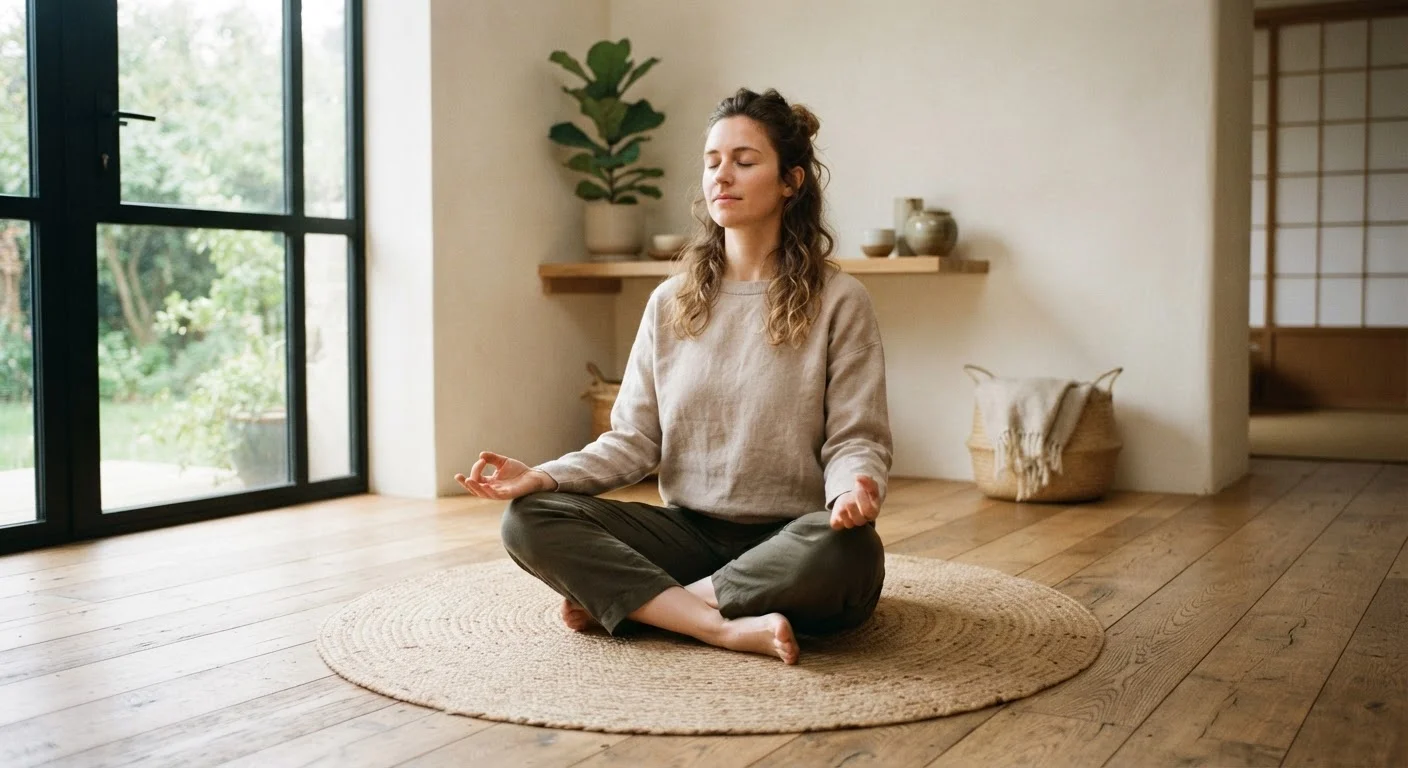
Photo credit: FaqInsider.com
In this article
When anxiety spikes, grounding exercises can help interrupt the response. This guide covers several evidence-informed techniques and how to use them.
Key Takeaways
- Grounding techniques work by redirecting attention from anxious thoughts to present-moment sensory experience.
- Several evidence-informed approaches exist, including the 5-4-3-2-1 method, box breathing, and physical anchoring.
- These techniques are tools for managing acute anxiety symptoms, not replacements for professional mental health care.
- Regular practice can help make grounding responses more automatic when anxiety spikes.
- If anxiety is frequent or severe, consulting a qualified mental health professional is strongly recommended.
Why Grounding Works During Acute Anxiety
Acute anxiety often involves a surge of worry-focused thought - the mind loops on perceived threats, future scenarios, or physical sensations, which can amplify distress. Grounding techniques interrupt this cycle by redirecting attention toward the immediate, concrete environment rather than internal mental content.
From a cognitive perspective, the brain has limited attentional capacity. When that attention is deliberately occupied by sensory input - the feel of a surface, the sound across the room, the rhythm of a breath - it becomes harder to simultaneously sustain the anxious thought loop at the same intensity. This is sometimes described as attentional redirection, and it is a principle underlying several evidence-informed therapeutic approaches, including mindfulness-based interventions and certain trauma-focused therapies.
It is worth noting that grounding does not resolve the underlying cause of anxiety. It is a short-term stabilization tool. For patterns that quietly build over time, see our overview of habits that can affect mental well-being.
These Techniques Are Not a Treatment
The grounding exercises in this article are general coping strategies for managing temporary anxiety symptoms - they are not a diagnosis or treatment plan. If you experience frequent, intense, or disabling anxiety, please consult a licensed mental health professional. In a mental health emergency, contact a crisis line or emergency services immediately.
Before You Begin: Setting Yourself Up
Grounding techniques require no special equipment, and most can be done anywhere - at a desk, in a car (while parked), in a restroom, or outside. That said, a few simple conditions make them more effective.
What you will need
Timer or phone
Useful for box breathing to keep breath counts consistent without mental effort.
A small textured object
Holding something with a distinct texture - a smooth stone, fabric swatch, or rubber band - supports tactile grounding exercises.
A quiet space
Reduces competing stimuli so attention can be redirected inward more easily.
If anxiety frequently arises in specific contexts - such as travel or unfamiliar environments - you may find additional strategies in our article on managing mental health while traveling.
Practice Before You Need It
Grounding techniques are most effective when they feel familiar. Running through a method during a calm moment helps your nervous system learn the pattern, so it becomes easier to access when anxiety is high. Even two to three minutes of practice a few times a week can build this familiarity.
Putting the Techniques Into Practice
The five steps below move from recognition through specific grounding methods to a gentle return to your environment. You do not need to use every technique every time - experiment to find which approaches work best for your particular experience of anxiety. Some people respond more strongly to breath-focused methods; others find sensory or physical techniques more effective.
Pause and recognize what is happening
Before applying any technique, take a single moment to name what you are experiencing: "I am feeling anxious right now." Research in emotion regulation suggests that labeling an emotional state - sometimes called affect labeling - can modestly reduce the intensity of the experience. You are not dismissing the feeling; you are simply acknowledging it before engaging your next step.
Try the 5-4-3-2-1 sensory method
This widely used grounding exercise systematically engages each sense to anchor attention in the present environment. Work through the following sequence at a deliberate pace:
- 5 things you can see - name them silently or aloud
- 4 things you can physically feel - the chair beneath you, the texture of your clothing
- 3 things you can hear - background sounds, your own breathing
- 2 things you can smell - even faint or neutral odors count
- 1 thing you can taste - a sip of water is a simple option
Moving through all five senses typically takes two to four minutes. The goal is to shift cognitive resources away from the loop of anxious thought toward concrete, present-moment input.
Use box breathing to slow the nervous system
Box breathing (also called square breathing) is a structured breath-control technique used in clinical settings and by practitioners who work with stress responses. The pattern is straightforward:
- Inhale slowly through your nose for a count of 4
- Hold your breath gently for a count of 4
- Exhale slowly through your mouth for a count of 4
- Hold at the bottom for a count of 4
Repeat the cycle three to five times. Controlled breathing influences the autonomic nervous system - particularly the parasympathetic branch - and can help reduce the physical sensations associated with acute anxiety, such as a racing heart or shallow breathing.
Apply a physical anchoring technique
Physical grounding uses direct bodily sensation to interrupt anxious thought patterns. Choose one of the following based on what is available to you:
- Feet flat on the floor: Press both feet firmly into the ground. Notice the pressure, temperature, and texture beneath them. Shift weight slightly to heighten the sensation.
- Cold water: Run cool water over your hands or wrists for 20-30 seconds. The distinct temperature sensation demands attention and can interrupt the anxiety cycle.
- Textured object: Hold a small object and trace its edges, ridges, or surface carefully with your fingertips, focusing entirely on what you notice.
Return to your environment gradually
Once you feel some reduction in intensity, take two or three slow breaths and gently reorient yourself to the room. Notice where you are, what you were doing, and whether you need anything - water, a short walk, or a few more minutes of quiet. Grounding is not intended to eliminate anxiety entirely but to bring it to a manageable level so you can continue functioning or seek further support if needed.
Grounding Is Not Avoidance
Grounding is designed to help you stabilize in the moment - not to permanently suppress or avoid anxious feelings. Using it as a short-term tool alongside professional support is appropriate. Relying on any coping strategy to the exclusion of addressing root causes is worth discussing with a therapist.
For a broader overview of how grounding fits into stress management generally, our guide to grounding during overwhelm covers additional context and complementary approaches.
This article is for general informational and educational purposes only and does not constitute medical or mental health advice. Always consult a qualified healthcare or mental health professional regarding your individual circumstances, particularly if anxiety is frequent, severe, or interfering with daily life.

Author
Health & Wellness Editorial Team
Health & Wellness Editorial Team is the collective byline for our editorial team and contributor network. Articles published under this byline or an editorial pen name are researched, written, and reviewed according to our editorial standards for clarity, consistency, and independence before publication.
View all articles →