
Grounding Techniques for Moments of Overwhelm
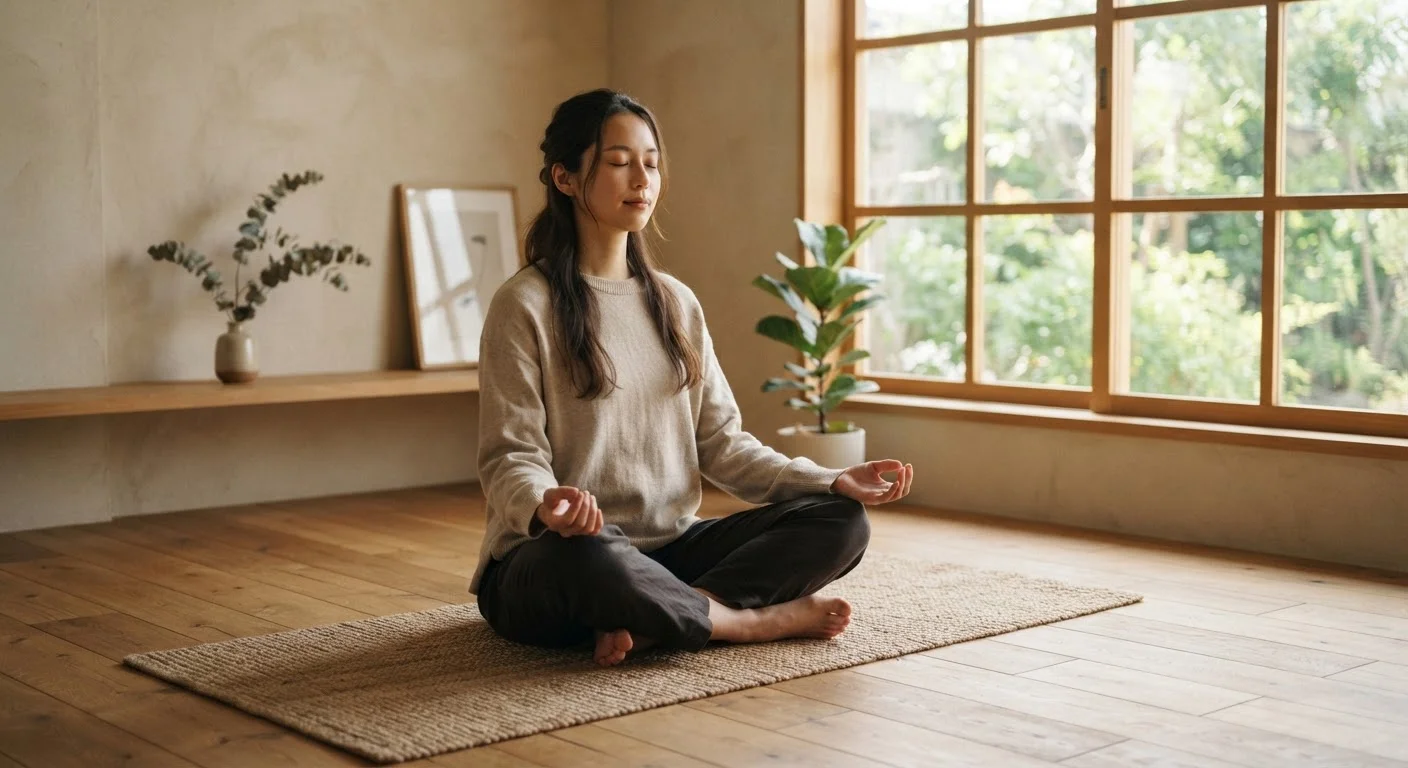
Photo credit: FaqInsider.com
In this article
Grounding strategies help redirect attention during acute stress or anxiety. This overview covers several approaches and the reasoning behind each.
Key Takeaways
- Grounding techniques redirect attention from distressing thoughts back to the present moment.
- Multiple sensory modalities - sight, touch, sound, and breath - can each serve as effective anchors.
- Regular practice may make these techniques more accessible during high-stress moments.
- Grounding is a complement to professional mental health care, not a replacement for it.
- No single technique works for everyone; experimentation helps identify what fits your needs.
What Grounding Techniques Are and Why They Work
Moments of overwhelm - whether driven by acute stress, anxiety, or emotional flooding - can make it hard to think clearly or feel safe in your own body. Grounding techniques are structured practices designed to interrupt that cycle by anchoring attention to the present moment rather than an anticipated threat or a spiraling thought pattern.
The underlying principle is fairly consistent across approaches: when the mind is pulled into worry, rumination, or panic, deliberately engaging the senses or body can help interrupt what's sometimes called nervous system dysregulation - a state in which the body's stress-response system is running at a level disproportionate to the immediate situation. If you want a plain-language breakdown of terms like this, the Mental Health Terms You've Probably Heard but May Not Fully Understand offers clear definitions.
Grounding is not a cure and is not a substitute for professional mental health support. It is, however, a practical tool many people find useful in the moment. The checklist below organizes common techniques by category so you can identify which to try first.
Grounding Is a Support Tool, Not a Treatment
These techniques are general wellness strategies, not medical interventions. If you experience frequent panic attacks, severe anxiety, dissociation, or emotional distress that disrupts daily functioning, please speak with a licensed mental health professional. Grounding can be a valuable complement to professional care - it is not a replacement for it.
Tools and Conditions That Support Grounding Practice
Most grounding techniques need very little - often nothing more than your own attention. A few optional aids can make certain approaches more accessible, particularly when you're just getting started.
Grounding Object
A small textured item (smooth stone, fabric swatch, or similar) used in physical grounding exercises to anchor tactile attention.
Timer or Phone Clock
Helps you commit to a full minute or more of a breathing or sensory exercise without checking the time manually.
Notebook or Journal
Useful for recording which techniques helped and in what contexts, building a personal grounding reference over time.
Quiet Space (when possible)
A low-distraction environment makes it easier to engage attention-based techniques, though many can also be adapted for public settings.
Grounding works best when you have even a small amount of privacy and can minimize competing demands on your attention, though some techniques (like discreet breath control or quiet sensory focus) can be used in public settings. If you notice that overwhelm tends to occur in specific contexts - such as during travel - the article on mental health on the road explores how these strategies apply outside home environments.
Grounding Technique Checklist
Work through this checklist at your own pace. You do not need to master every category - the goal is to identify two or three techniques that feel natural and accessible to you. Over time, practicing these in lower-stress moments can make them easier to access when overwhelm hits.
Sensory Awareness (5-4-3-2-1 Style)
Breath-Based Grounding
Physical and Body-Based Anchors
Cognitive and Orienting Techniques
After the Moment: Building Awareness Over Time
For techniques that complement grounding by helping you process emotions after a difficult moment, consider exploring journaling approaches for emotional clarity. Writing can help extend the insight grounding creates.
Some Techniques May Not Suit Everyone
Certain breath-focused or body-based exercises can feel uncomfortable for people with specific trauma histories, respiratory conditions, or other health considerations. If a technique increases distress rather than reducing it, stop and try a different approach. A therapist familiar with your history can help you identify which methods are most appropriate for your situation.
This article is for general informational purposes only and does not constitute medical or mental health advice. If you are experiencing persistent anxiety, panic attacks, or emotional distress that interferes with daily life, please consult a qualified mental health professional.

Author
Health & Wellness Editorial Team
Health & Wellness Editorial Team is the collective byline for our editorial team and contributor network. Articles published under this byline or an editorial pen name are researched, written, and reviewed according to our editorial standards for clarity, consistency, and independence before publication.
View all articles →