
Protein Sources Side by Side: Animal, Plant, and Combination Approaches
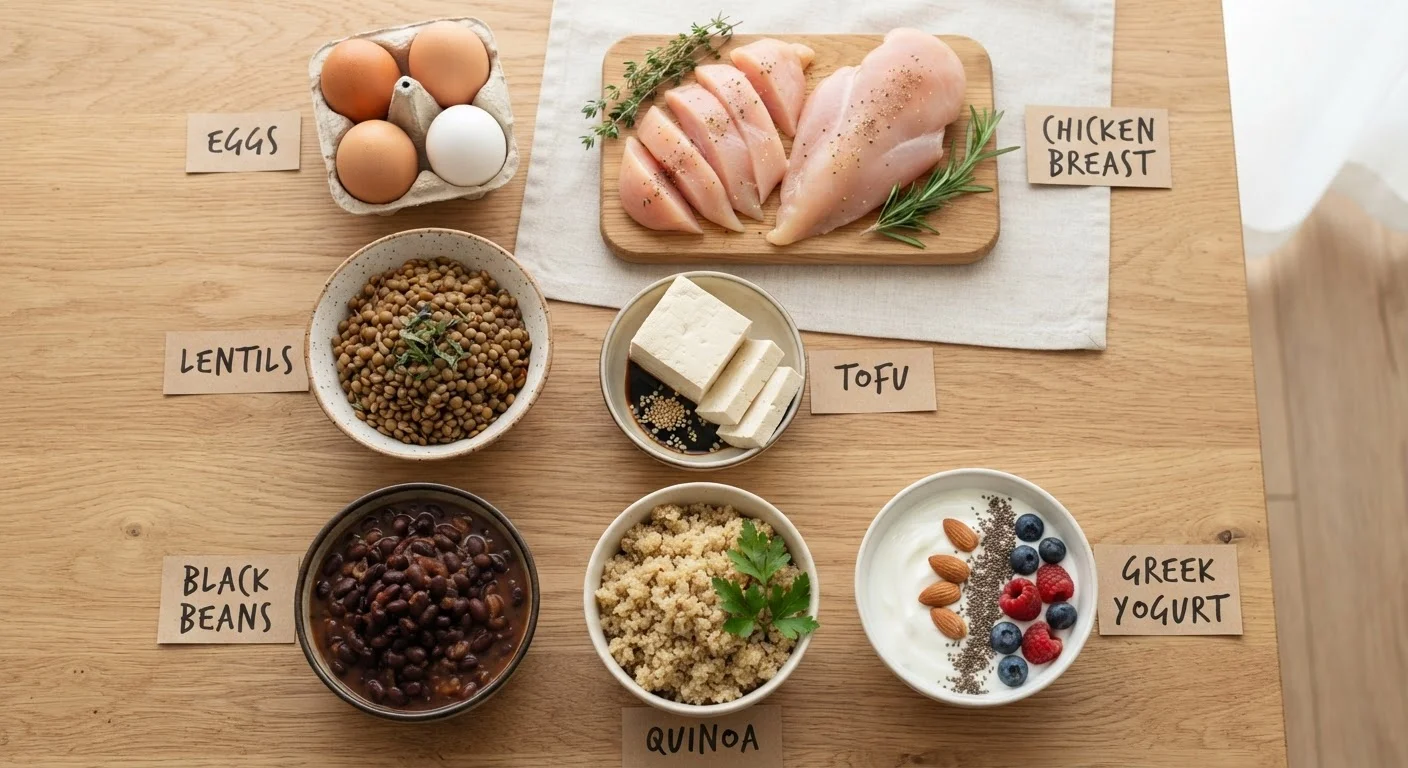
Photo credit: FaqInsider.com
In this article
Compare the amino acid profiles, bioavailability, and practical trade-offs of different protein sources in a typical diet.
Key Takeaways
- Animal proteins contain all essential amino acids in ratios the body uses efficiently, but often come with saturated fat.
- Most plant proteins are low in one or more essential amino acids, making dietary variety important.
- Combining plant proteins throughout the day - not necessarily in one meal - achieves a complete amino acid profile.
- Digestibility scores like DIAAS help compare how much protein the body actually absorbs from different foods.
- A mixed protein approach can balance nutritional completeness with the fiber and micronutrient benefits of plant foods.
Why Protein Quality Matters Beyond the Gram Count
Not all protein grams are created equal. Two foods can deliver the same amount of protein by weight yet differ substantially in how much of that protein the body can actually use. Two metrics help clarify this: amino acid profile - whether a food supplies all nine essential amino acids (EAAs) in adequate amounts - and bioavailability, the proportion that the digestive system absorbs and the body can put to work.
Researchers now favor the DIAAS as the gold standard for measuring protein quality. A DIAAS above 1.0 signals that a food supplies essential amino acids at or above human requirements after digestion losses are accounted for. Whole eggs and dairy proteins consistently score above 1.0; most plant proteins score below it, though some - such as soy - come close. Understanding these distinctions helps you build a diet that truly meets your needs rather than just hitting a gram target.
Animal Proteins: Strengths and Considerations
Meat, poultry, fish, eggs, and dairy are complete proteins - they supply all nine EAAs in proportions that closely match human muscle tissue. High DIAAS scores mean the body absorbs and uses these proteins efficiently, which is why they have historically anchored protein recommendations in clinical and sports nutrition settings.
Fish and lean poultry are particularly notable: they pair high-quality protein with relatively low saturated fat. Eggs are often cited in nutrition research as a reference protein because of their near-ideal amino acid composition. Dairy sources such as Greek yogurt and cottage cheese also deliver calcium alongside protein.
Red and Processed Meat: Context Counts
Population studies associate frequent consumption of processed meats (such as bacon, sausage, and deli meats) with elevated health risks. These associations don't mean all animal protein is equally concerning - cooking method, overall dietary pattern, and portion size all play a role. If you have cardiovascular or metabolic health conditions, discuss your specific protein choices with a healthcare provider.
The picture isn't without nuance. Processed and red meats are associated in large epidemiological studies with higher cardiovascular and colorectal disease risk, although causality is debated and context - total diet, cooking method, portion size - matters. Individuals with specific conditions should discuss red meat intake with a qualified healthcare professional.
Plant Proteins: Strengths and Practical Gaps
Legumes (beans, lentils, chickpeas), soy products, whole grains, nuts, and seeds all contribute protein alongside fiber, antioxidants, and a range of vitamins and minerals largely absent from animal foods. Soy - found in tofu, tempeh, and edamame - is a standout: it is the only widely available plant protein considered nutritionally complete, with a DIAAS approaching or matching many animal sources.
Most other plant proteins are limiting in at least one EAA. Legumes tend to be low in methionine; grains tend to be low in lysine. This doesn't make them inferior choices - it simply means variety across the day matters more. For a fuller exploration of the trade-offs in plant-forward eating, see our guide to plant-based nutritional strengths and gaps.
Boost Plant Protein Absorption with Simple Prep
Soaking dried legumes overnight and rinsing them before cooking reduces phytate content and can improve digestibility. Fermenting soy into tempeh similarly enhances nutrient availability. These easy steps make plant proteins work harder in your diet without requiring any special ingredients.
Antinutrients such as phytates and tannins in some plant foods can modestly reduce mineral absorption. Cooking, soaking, sprouting, and fermentation generally reduce these compounds, improving the overall nutrient availability of plant-protein foods.
Combination Approaches: Bridging the Gap
A combination strategy - drawing protein from both animal and plant sources - is how most Americans already eat, and for good nutritional reason. Pairing complementary plant proteins (classic examples: rice and beans, hummus and whole-wheat pita) covers each source's amino acid gaps. Importantly, research suggests these pairings don't need to happen within a single meal; the body maintains a pool of amino acids throughout the day, so complementary foods consumed across meals can still be effective.
Adding modest amounts of animal protein - eggs at breakfast, yogurt as a snack - while centering meals around legumes and whole grains can capture the fiber and phytonutrient benefits of plant foods while ensuring amino acid completeness. For a deeper look at how plant-forward eating fits into a balanced diet, our overview of plant-based eating benefits and trade-offs covers the full picture.
| Animal Protein | Plant Protein | Combination Approach | |
|---|---|---|---|
| Amino acid completeness | Complete (all 9 EAAs) | Often incomplete (varies by food) | Complete with planning |
| Bioavailability (DIAAS) | Generally high (>1.0) | Moderate to low (<1.0, soy near 1.0) | High overall |
| Fiber content | None | High | Moderate to high |
| Saturated fat | Variable; can be high | Generally low | Depends on animal sources chosen |
| Planning required | Minimal | Moderate to high | Moderate |
| Phytonutrient diversity | Low | High | High |
| Key nutrients to monitor | Saturated fat, sodium | B12, iron, zinc, calcium | Varies by food choices |
This article provides general nutrition information and is not a substitute for personalized advice from a registered dietitian or qualified healthcare professional.

Author
Health & Wellness Editorial Team
Health & Wellness Editorial Team is the collective byline for our editorial team and contributor network. Articles published under this byline or an editorial pen name are researched, written, and reviewed according to our editorial standards for clarity, consistency, and independence before publication.
View all articles →