
Plant-Based Eating: A Balanced Look at the Benefits and Trade-Offs
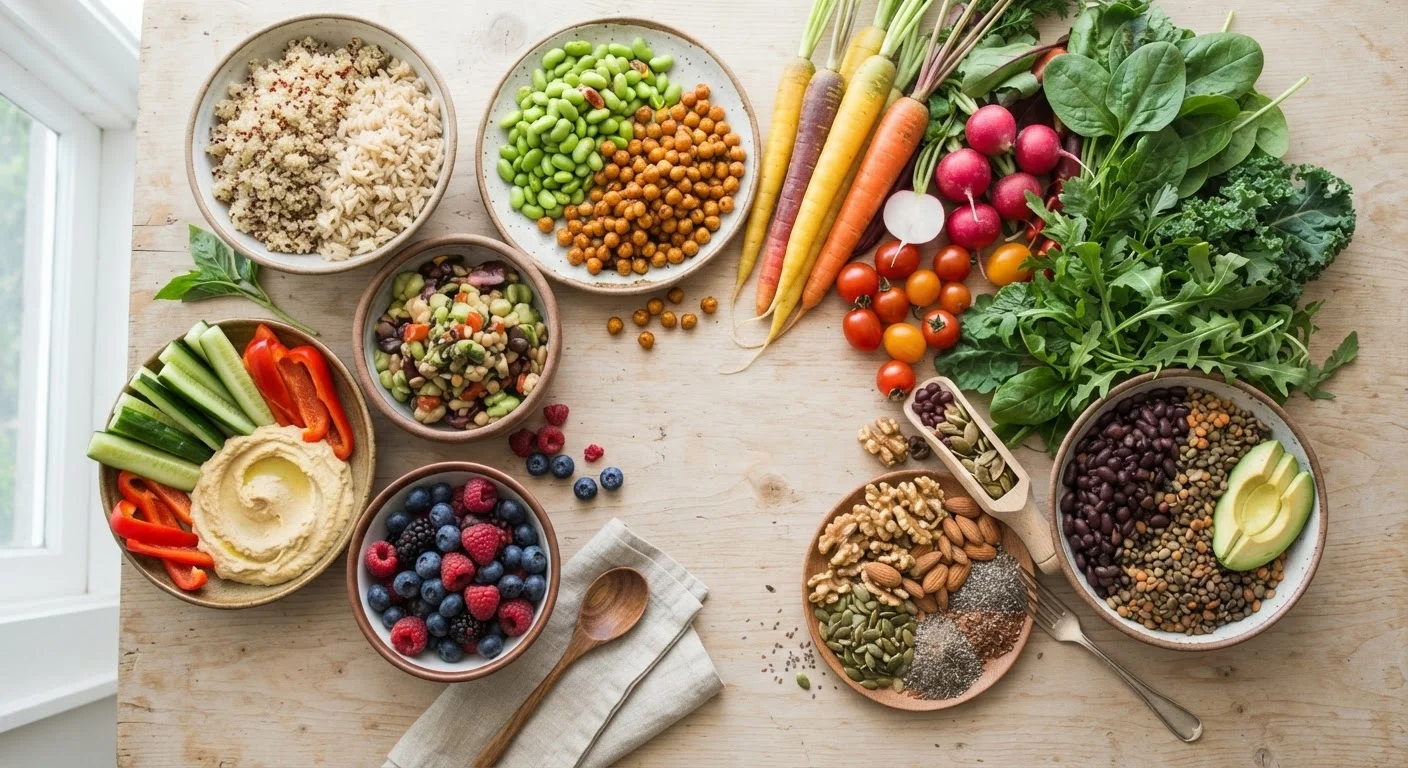
Photo credit: FaqInsider.com
In this article
Weigh the genuine nutritional advantages of plant-forward diets alongside the considerations worth planning for.
Key Takeaways
- Plant-based diets are consistently linked to lower risks of heart disease, type 2 diabetes, and certain cancers.
- Nutrients like vitamin B12, iron, calcium, and omega-3 fatty acids require deliberate planning on plant-forward diets.
- A plant-based diet is a spectrum - partial shifts toward more plants still carry meaningful health benefits.
- Consulting a registered dietitian can help identify and close nutritional gaps before they develop.
- Highly processed plant-based foods are not automatically healthier than whole-food alternatives.
Supports heart health and reduces cardiovascular risk
Multiple large-scale studies associate plant-forward diets with lower LDL cholesterol and blood pressure. Reduced intake of saturated fat combined with high fiber intake are the primary mechanisms.
Rich in dietary fiber for gut and metabolic health
Whole plant foods supply far more fiber than typical Western diets. Adequate fiber supports a diverse gut microbiome, improves insulin sensitivity, and aids in maintaining a healthy weight.
Associated with lower risk of type 2 diabetes
Research consistently links higher consumption of vegetables, legumes, and whole grains with improved blood sugar regulation and reduced type 2 diabetes incidence.
High in protective antioxidants and phytonutrients
Colorful fruits and vegetables provide compounds such as polyphenols and carotenoids that support cellular health and reduce chronic inflammation.
Linked to lower rates of certain cancers
Epidemiological evidence suggests plant-heavy diets are associated with reduced risk of colorectal and other diet-related cancers, likely due to fiber, antioxidant content, and lower processed meat consumption.
Vitamin B12 must be supplemented
B12 is not reliably found in plant foods. Deficiency can develop gradually and cause neurological damage; those on fully plant-based diets need a consistent supplement or fortified food source.
Lower bioavailability of iron and zinc
Plant sources provide non-heme iron, which the body absorbs less efficiently than heme iron from meat. Phytates in legumes and grains can further inhibit mineral absorption without deliberate meal planning.
Long-chain omega-3s require alternative sources
EPA and DHA - omega-3 fatty acids important for brain and heart health - are concentrated in fatty fish. Plant sources like flaxseed provide ALA, which converts to EPA and DHA only at low efficiency.
Protein completeness requires varied food choices
Most individual plant proteins lack one or more essential amino acids. Eating a variety of legumes, grains, and seeds throughout the day addresses this, but it takes more planning than relying on animal proteins.
Processed plant-based products can be nutritionally poor
Many packaged vegan or plant-based products are high in sodium, added sugars, and refined carbohydrates. Choosing these over whole foods can undermine the health rationale for the diet.
What 'Plant-Based' Actually Means
The term plant-based diet covers a broad spectrum - from fully vegan eating (no animal products at all) to flexitarian patterns that emphasize plants while occasionally including meat, dairy, or eggs. What unites these approaches is a deliberate shift toward vegetables, fruits, legumes, whole grains, nuts, and seeds as dietary staples.
This distinction matters because the research supporting plant-based eating largely tracks whole-food patterns, not simply the absence of meat. A diet built around processed grain snacks, refined oils, and sugar qualifies as technically plant-based but delivers none of the health advantages associated with the eating pattern. For a closer look at how eating patterns compare structurally, see this comparison of Mediterranean, DASH, and whole-food dietary patterns.
Supports heart health and reduces cardiovascular risk
Multiple large-scale studies associate plant-forward diets with lower LDL cholesterol and blood pressure. Reduced intake of saturated fat combined with high fiber intake are the primary mechanisms.
Rich in dietary fiber for gut and metabolic health
Whole plant foods supply far more fiber than typical Western diets. Adequate fiber supports a diverse gut microbiome, improves insulin sensitivity, and aids in maintaining a healthy weight.
Associated with lower risk of type 2 diabetes
Research consistently links higher consumption of vegetables, legumes, and whole grains with improved blood sugar regulation and reduced type 2 diabetes incidence.
High in protective antioxidants and phytonutrients
Colorful fruits and vegetables provide compounds such as polyphenols and carotenoids that support cellular health and reduce chronic inflammation.
Linked to lower rates of certain cancers
Epidemiological evidence suggests plant-heavy diets are associated with reduced risk of colorectal and other diet-related cancers, likely due to fiber, antioxidant content, and lower processed meat consumption.
Nutritional Strengths Worth Knowing
The strongest evidence for plant-based diets centers on cardiovascular health. Studies consistently associate higher plant food intake with lower LDL cholesterol, reduced blood pressure, and decreased risk of coronary artery disease. Fiber - abundant in legumes, whole grains, and vegetables - plays a central role, supporting gut microbiome diversity and helping regulate blood sugar and cholesterol levels.
Plant-forward eating also tends to deliver higher amounts of antioxidants, potassium, magnesium, and folate. These micronutrients contribute to reduced inflammation and support long-term metabolic health. For practical guidance on building meals that cover your nutritional bases without complex calorie tracking, structured meal planning makes the transition more manageable.
~23%
Reduction in coronary heart disease risk
A large meta-analysis published in the Journal of the American Heart Association found vegetarian diets associated with approximately a 23% lower risk of ischemic heart disease.
10-15g
Extra daily fiber from plant-based diets
Research suggests people eating plant-forward diets typically consume 10 to 15 grams more fiber per day than those following standard Western dietary patterns.
~50%
Lower conversion rate of ALA to DHA
Studies estimate that the body converts plant-derived ALA to the long-chain omega-3 DHA at a rate of roughly 0-4%, highlighting the challenge of meeting omega-3 needs from plants alone.
Genuine Trade-Offs to Plan Around
Plant-based diets require attention to several nutrients that are either absent or less bioavailable from plant sources. Vitamin B12 is found almost exclusively in animal products; those following a fully plant-based diet need a reliable supplement or fortified foods. Heme iron - the form most readily absorbed by the body - comes from meat, while plant sources provide non-heme iron, which is absorbed at a lower rate. Pairing iron-rich plant foods with vitamin C can improve absorption.
Calcium, zinc, long-chain omega-3 fatty acids (EPA and DHA), and vitamin D are additional nutrients that merit monitoring. For a side-by-side breakdown of how plant and animal proteins compare in terms of amino acid completeness and digestibility, this protein sources comparison is a useful reference.
Vitamin B12 must be supplemented
B12 is not reliably found in plant foods. Deficiency can develop gradually and cause neurological damage; those on fully plant-based diets need a consistent supplement or fortified food source.
Lower bioavailability of iron and zinc
Plant sources provide non-heme iron, which the body absorbs less efficiently than heme iron from meat. Phytates in legumes and grains can further inhibit mineral absorption without deliberate meal planning.
Long-chain omega-3s require alternative sources
EPA and DHA - omega-3 fatty acids important for brain and heart health - are concentrated in fatty fish. Plant sources like flaxseed provide ALA, which converts to EPA and DHA only at low efficiency.
Protein completeness requires varied food choices
Most individual plant proteins lack one or more essential amino acids. Eating a variety of legumes, grains, and seeds throughout the day addresses this, but it takes more planning than relying on animal proteins.
Processed plant-based products can be nutritionally poor
Many packaged vegan or plant-based products are high in sodium, added sugars, and refined carbohydrates. Choosing these over whole foods can undermine the health rationale for the diet.
Common Misconceptions and Practical Guidance
One widespread misconception is that plant-based eating is inherently low in protein. In practice, legumes, tofu, tempeh, edamame, quinoa, and seeds provide substantial protein - though combining varied sources throughout the day supports a complete amino acid profile. Another is that all plant-based packaged foods are health-promoting; many are high in sodium, added sugars, and refined starches.
Starting gradually often works better than an overnight switch. Replacing one or two meat-based meals per week with legume- or grain-centered dishes is a low-barrier entry point. Before making significant dietary changes, this self-assessment checklist can help clarify your current nutritional gaps and set realistic goals. Special populations - including pregnant or breastfeeding individuals, children, older adults, and anyone managing a chronic condition - should consult a registered dietitian or physician before substantially changing their diet.
Plant-Based Is Not One-Size-Fits-All
There is no single definition of a plant-based diet, and the research supporting it spans a wide range of eating patterns - from Mediterranean-style diets that include fish and dairy to fully vegan approaches. Even modest increases in whole plant food consumption are associated with health benefits. Individuals do not need to adopt a strict vegan diet to move the needle on key health markers.
This article is for general informational and educational purposes only and does not constitute medical or nutritional advice. Consult a qualified healthcare professional before making significant changes to your diet.

Author
Health & Wellness Editorial Team
Health & Wellness Editorial Team is the collective byline for our editorial team and contributor network. Articles published under this byline or an editorial pen name are researched, written, and reviewed according to our editorial standards for clarity, consistency, and independence before publication.
View all articles →