
Plant-Based Eating: Nutritional Strengths, Gaps, and Realistic Trade-Offs
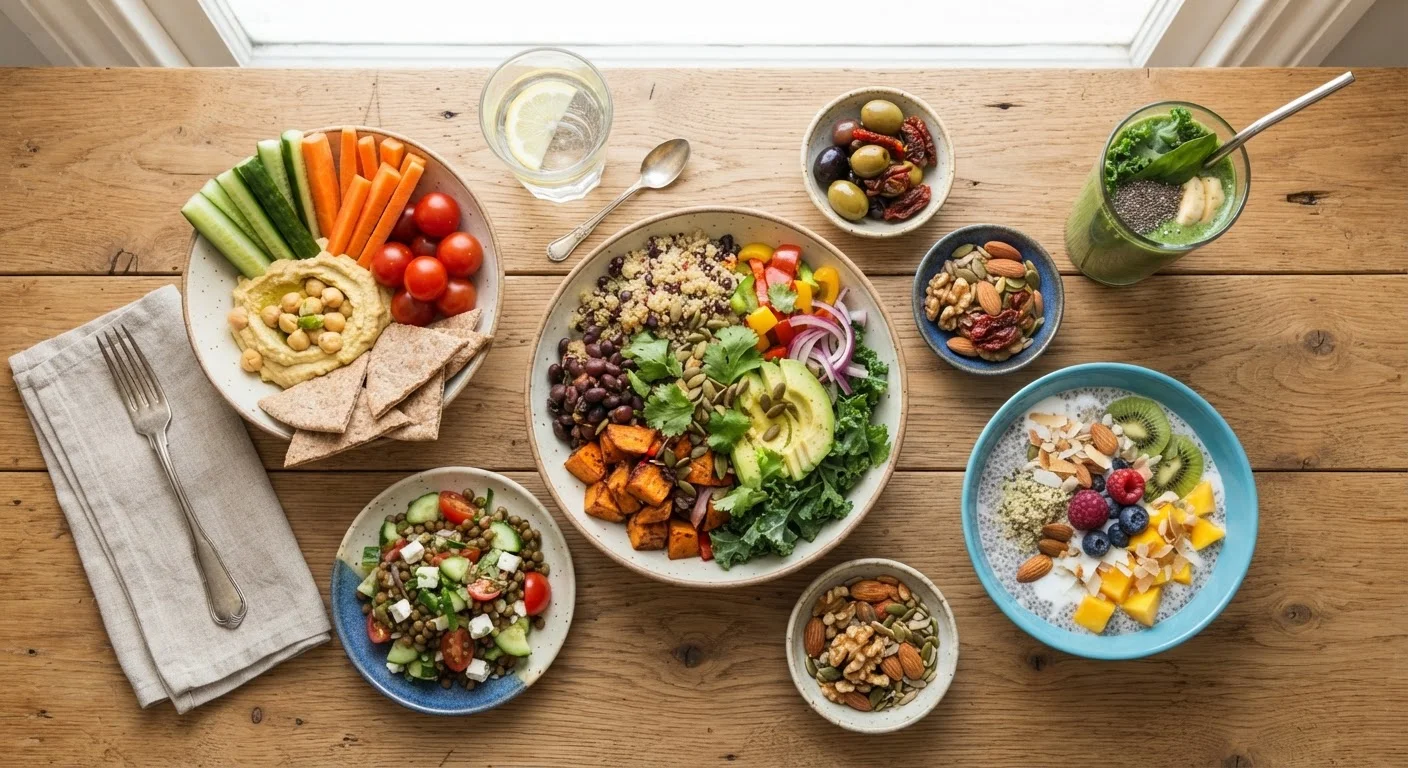
Photo credit: FaqInsider.com
In this article
A balanced look at what a plant-based diet does well nutritionally, where deficiencies can develop, and how to plan around them.
Key Takeaways
- Plant-based diets are consistently linked to higher fiber intake and reduced chronic disease risk.
- Vitamin B12, iron, zinc, calcium, and omega-3 fatty acids are the nutrients most likely to fall short.
- Careful food variety and targeted supplementation can close most nutritional gaps.
- Not all plant-based diets are equally nutritious - processed plant foods can undercut health benefits.
- Anyone making a significant dietary shift should consult a registered dietitian.
High fiber content supports digestive and metabolic health
Plant-based diets routinely deliver well above average fiber intakes, which is associated with improved gut microbiome diversity, healthier blood sugar regulation, and reduced LDL cholesterol levels.
Dense in antioxidants and anti-inflammatory compounds
Fruits, vegetables, legumes, and whole grains provide a broad spectrum of phytonutrients - including polyphenols and carotenoids - that support cellular health and are difficult to replicate through supplements.
Associated with lower cardiovascular disease risk
Multiple large observational studies and meta-analyses link plant-forward dietary patterns to lower rates of hypertension, heart disease, and related risk factors such as elevated triglycerides.
Favorable body weight outcomes in population studies
On average, individuals following plant-based dietary patterns tend to have lower body mass indexes compared to those eating omnivorous diets, though individual results vary significantly based on food quality and overall calorie balance.
Lower intake of saturated fat from animal sources
Reducing or eliminating red meat and high-fat dairy typically shifts the fat profile of the diet toward more unsaturated sources, which is consistent with general cardiovascular health guidance.
Vitamin B12 is essentially absent from plant foods
B12 is found almost exclusively in animal products; deficiency can develop gradually and affects nerve function and red blood cell production. Supplementation or consumption of fortified foods is generally necessary for those avoiding all animal products.
Non-heme iron is less readily absorbed than animal iron
Plants contain non-heme iron, which has lower bioavailability than the heme iron in meat. Consuming iron-rich plant foods alongside vitamin C sources can meaningfully improve absorption, but awareness is required.
Long-chain omega-3 fatty acids (EPA and DHA) are limited
While plant foods like flaxseed and walnuts provide ALA (a precursor omega-3), the body's conversion to EPA and DHA - the forms most relevant to cardiovascular and brain health - is inefficient. Algae-based supplements can provide a direct plant-derived source.
Zinc and calcium bioavailability can be reduced by antinutrients
Phytates found in grains and legumes can bind zinc and calcium, partially inhibiting their absorption. Soaking, sprouting, and fermenting these foods reduces phytate content and improves mineral availability.
Complete amino acid profiles require deliberate food combining
Most individual plant proteins are lower in one or more essential amino acids; achieving a complete amino acid profile over the course of a day requires eating a varied range of legumes, grains, nuts, and seeds.
What Plant-Based Eating Actually Means
The term plant-based diet covers a wide spectrum - from fully vegan (no animal products at all) to flexitarian patterns that center plants while including modest amounts of meat, dairy, or eggs. What unites them is a consistent emphasis on vegetables, fruits, legumes, whole grains, nuts, and seeds as the primary energy and nutrient sources.
This distinction matters because nutritional outcomes vary considerably across the spectrum. A vegan eating heavily processed meat alternatives faces different gaps than someone eating a diverse whole-food, plant-rich diet that occasionally includes fish or eggs. For a closer look at how plant and animal proteins compare directly, see our comparison of protein sources.
High fiber content supports digestive and metabolic health
Plant-based diets routinely deliver well above average fiber intakes, which is associated with improved gut microbiome diversity, healthier blood sugar regulation, and reduced LDL cholesterol levels.
Dense in antioxidants and anti-inflammatory compounds
Fruits, vegetables, legumes, and whole grains provide a broad spectrum of phytonutrients - including polyphenols and carotenoids - that support cellular health and are difficult to replicate through supplements.
Associated with lower cardiovascular disease risk
Multiple large observational studies and meta-analyses link plant-forward dietary patterns to lower rates of hypertension, heart disease, and related risk factors such as elevated triglycerides.
Favorable body weight outcomes in population studies
On average, individuals following plant-based dietary patterns tend to have lower body mass indexes compared to those eating omnivorous diets, though individual results vary significantly based on food quality and overall calorie balance.
Lower intake of saturated fat from animal sources
Reducing or eliminating red meat and high-fat dairy typically shifts the fat profile of the diet toward more unsaturated sources, which is consistent with general cardiovascular health guidance.
Where Plant-Based Diets Consistently Deliver
The nutritional case for plant-forward eating is well supported by epidemiological and clinical research. Several advantages appear reliably across different plant-based dietary patterns:
- Fiber: Most Americans fall short of recommended fiber intakes. Plant-based eaters typically far exceed average intake, supporting gut microbiome diversity and digestive regularity. Learn more about why fiber is so widely underconsumed.
- Antioxidants and phytonutrients: A wide variety of plant foods delivers polyphenols, carotenoids, and flavonoids that are difficult to replicate with supplementation alone.
- Healthy fat profile: Diets anchored in nuts, seeds, avocados, and olive oil tend to have more favorable unsaturated-to-saturated fat ratios compared to typical Western diets.
~17g/day
Average American daily fiber intake
The Dietary Guidelines for Americans recommend 25-38g per day for adults; plant-based eaters typically exceed this threshold with consistent whole food choices.
~40%
Lower ischemic heart disease risk in vegetarians
A large analysis published in the British Medical Journal found vegetarians had roughly 32% lower ischemic heart disease risk compared to non-vegetarians, with variation by dietary quality.
Nutritional Gaps Worth Planning Around
Recognizing where plant-based diets can fall short is not a reason to avoid them - it's a reason to plan strategically. The most commonly cited shortfalls include:
Vitamin B12 is essentially absent from plant foods
B12 is found almost exclusively in animal products; deficiency can develop gradually and affects nerve function and red blood cell production. Supplementation or consumption of fortified foods is generally necessary for those avoiding all animal products.
Non-heme iron is less readily absorbed than animal iron
Plants contain non-heme iron, which has lower bioavailability than the heme iron in meat. Consuming iron-rich plant foods alongside vitamin C sources can meaningfully improve absorption, but awareness is required.
Long-chain omega-3 fatty acids (EPA and DHA) are limited
While plant foods like flaxseed and walnuts provide ALA (a precursor omega-3), the body's conversion to EPA and DHA - the forms most relevant to cardiovascular and brain health - is inefficient. Algae-based supplements can provide a direct plant-derived source.
Zinc and calcium bioavailability can be reduced by antinutrients
Phytates found in grains and legumes can bind zinc and calcium, partially inhibiting their absorption. Soaking, sprouting, and fermenting these foods reduces phytate content and improves mineral availability.
Complete amino acid profiles require deliberate food combining
Most individual plant proteins are lower in one or more essential amino acids; achieving a complete amino acid profile over the course of a day requires eating a varied range of legumes, grains, nuts, and seeds.
The good news is that most of these gaps respond well to targeted strategies: fortified foods, deliberate food pairing (such as consuming iron-rich foods alongside vitamin C sources to boost absorption), and supplementation where appropriate. Building a plate that covers your nutritional bases offers practical guidance on structuring meals to cover more nutrient ground.
Special Populations Need Extra Attention
Pregnant individuals, nursing mothers, children, older adults, and those managing chronic conditions face higher nutrient demands and may be more vulnerable to deficiencies on a plant-based diet. Nutrient monitoring and professional guidance are particularly important for these groups. Always consult a registered dietitian or physician before making significant dietary changes during any of these life stages.
The 'Junk Food Vegan' Pitfall
One of the most important caveats in plant-based nutrition is that the label itself guarantees nothing. Ultra-processed plant foods - packaged snacks, refined grain products, sugary beverages, and highly engineered meat alternatives - can technically be plant-based while offering poor nutrient density and high sodium or saturated fat content.
Research consistently shows that the protective associations linked to plant-based diets are strongest when those diets center whole plant foods. Highly processed plant foods do not carry the same evidence base. Understanding how grain processing affects nutritional value, for example, is directly relevant here - see what changes when grain is processed.
This underscores that dietary quality, variety, and minimally processed food choices are the true drivers of nutritional benefit - not the absence of animal products alone.
Making a Thoughtful Transition
If you're considering shifting toward a more plant-based pattern, the evidence supports a gradual, informed approach over abrupt elimination. Building familiarity with a variety of legumes, whole grains, and plant proteins reduces the risk of nutritional monotony. A self-assessment checklist before changing your diet can help you honestly evaluate your current patterns and identify where gaps may already exist.
For context on how plant-based patterns compare to other structured approaches, a nutritional comparison of the Mediterranean and Standard American diets provides useful framing.
This article is for general informational purposes only and is not a substitute for personalized medical or dietary advice. Consult a registered dietitian or qualified healthcare provider before making significant changes to your diet, especially if you have a chronic health condition, are pregnant, or are planning changes for a child or older adult.

Author
Health & Wellness Editorial Team
Health & Wellness Editorial Team is the collective byline for our editorial team and contributor network. Articles published under this byline or an editorial pen name are researched, written, and reviewed according to our editorial standards for clarity, consistency, and independence before publication.
View all articles →