
Protein Sources Side by Side: Animal vs. Plant Options
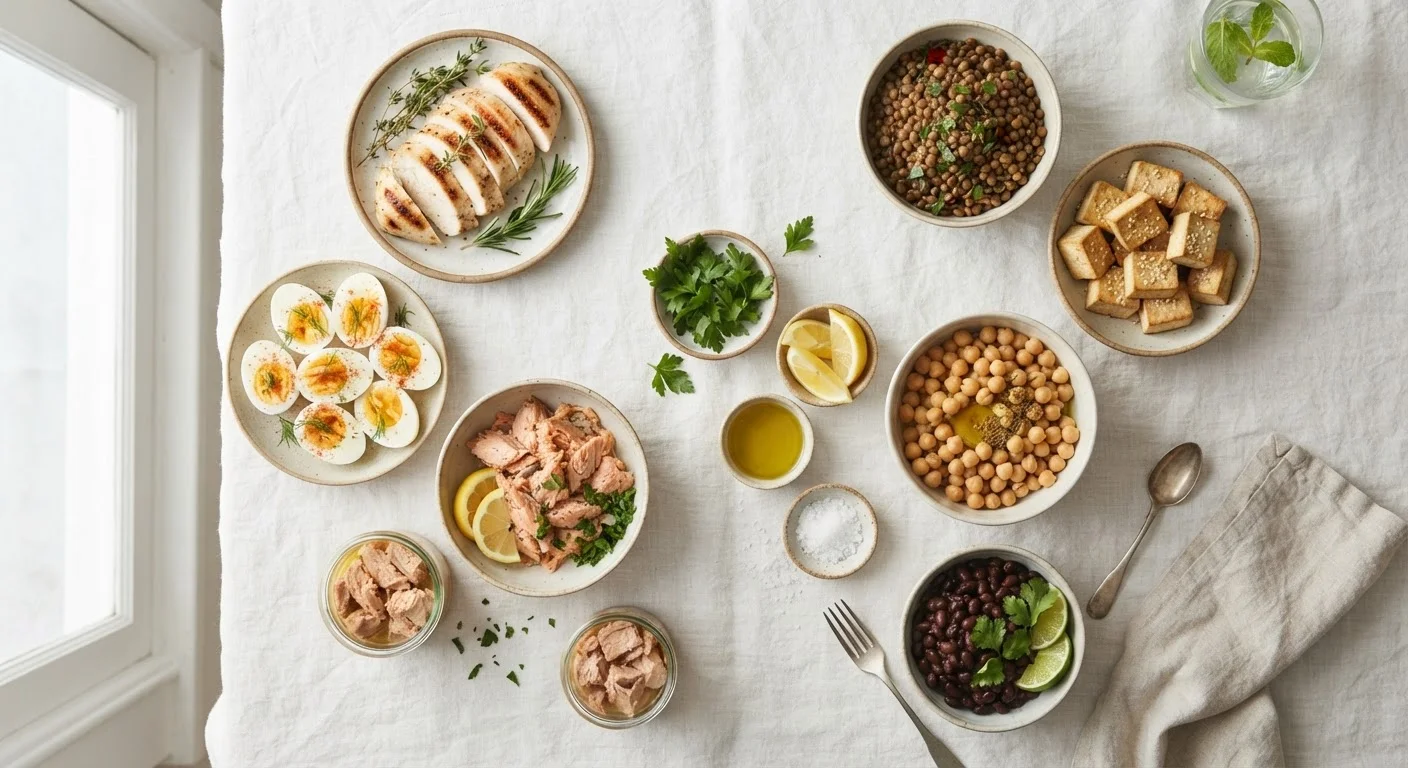
Photo credit: FaqInsider.com
In this article
Compare animal and plant-based proteins across amino acid profile, digestibility, and practical dietary considerations.
Key Takeaways
- Animal proteins are considered 'complete' because they contain all nine essential amino acids in adequate proportions.
- Most plant proteins are lower in one or more essential amino acids, but strategic food combining can close this gap.
- Animal proteins generally score higher on digestibility indices, meaning more protein is absorbed per gram consumed.
- Plant proteins deliver additional benefits such as dietary fiber, phytonutrients, and lower saturated fat in many cases.
- Soy and quinoa are notable plant exceptions that provide a complete essential amino acid profile.
- A mixed dietary approach - including both sources - can offer practical nutritional advantages for many people.
Amino Acid Profiles: Complete vs. Incomplete
Proteins are made up of amino acids, nine of which are classified as essential - meaning the body cannot produce them and must obtain them through food. This is where animal and plant proteins differ most significantly.
Animal proteins - including meat, poultry, fish, eggs, and dairy - are described as complete proteins because they contain all nine essential amino acids in proportions that closely match human physiological needs. Plant proteins, with notable exceptions like soy and quinoa, tend to be low in at least one essential amino acid. Legumes, for instance, are often limited in methionine, while grains are typically low in lysine.
This distinction matters but should not be overstated. Eating a variety of plant proteins throughout the day - such as rice and beans together, or hummus with whole-grain bread - provides all essential amino acids. The body does not require a single food to be complete; it draws on amino acids from all foods consumed over the course of the day. For a deeper look at how a plant-forward diet can be planned effectively, see this overview of plant-based nutritional strengths and gaps.
| Criterion | Animal Protein | Plant Protein |
|---|---|---|
| Amino acid completeness | Complete (all 9 essential) | Often incomplete; soy/quinoa are exceptions |
| Average digestibility (DIAAS) | Typically ≥ 1.0 | Often 0.6-0.9; improves with preparation |
| Dietary fiber | None | Present; supports gut health |
| Saturated fat | Variable; can be high in red/processed meat | Generally low (except coconut, palm) |
| Vitamin B12 | Good natural source | Not naturally present; supplement required |
| Iron bioavailability | High (heme iron) | Lower (non-heme); enhanced by vitamin C |
| Phytonutrients | Absent | Rich source |
| Dietary planning required | Minimal for protein needs | Moderate; variety and combining advised |
Digestibility and Bioavailability
Even a protein with a complete amino acid profile is only as useful as what the body can actually absorb. Digestibility refers to how efficiently the gut breaks down and absorbs a protein's amino acids.
The most widely used scientific measure of protein quality is the DIAAS, developed by the Food and Agriculture Organization. Animal proteins - particularly eggs, dairy, and meat - generally achieve DIAAS scores at or above 1.0, indicating excellent digestibility. Many plant proteins score below 1.0, partly because plant cell walls and compounds like phytates and fiber can reduce amino acid absorption.
~20%
Reduction in protein absorption from some plant sources
Research published in the Journal of Nutrition indicates plant protein digestibility is on average roughly 10-20% lower than animal protein, depending on the source and preparation method.
1.0+
DIAAS score for eggs and dairy
The FAO's DIAAS framework gives eggs and milk DIAAS scores at or above 1.0, making them among the highest-quality protein sources by this measure.
~0.6
Typical DIAAS score for wheat protein
Wheat - a common protein contributor in plant-based diets - scores around 0.6 on the DIAAS scale, reflecting its lower lysine content and digestibility.
That said, food processing and preparation can meaningfully improve plant protein digestibility. Cooking legumes, fermenting soy into tempeh, or soaking and sprouting seeds all reduce anti-nutritional compounds. When dietary variety is high and caloric intake is sufficient, plant-based eaters typically absorb adequate amino acids to meet their needs.
Broader Nutritional Considerations
Protein quality is only one part of the picture. The broader nutritional context of each food source matters as much as its amino acid score.
Animal proteins carry important micronutrients that are less available or absent in plants: heme iron (more readily absorbed than non-heme iron), vitamin B12, zinc, and preformed vitamin A. Red and processed meats, however, are also associated with higher saturated fat and, at high intake levels, with increased risk of certain chronic diseases according to observational research - though dietary pattern, quantity, and overall lifestyle are important factors to consider.
Plant proteins come packaged with dietary fiber, antioxidants, and phytonutrients absent from animal foods. They are typically lower in saturated fat and cholesterol. The trade-offs include lower iron bioavailability, no dietary B12 (supplementation is generally necessary for vegans), and - as noted above - lower protein digestibility on average.
For those considering a primarily plant-forward approach, a balanced look at the benefits and trade-offs of plant-based eating can help frame realistic expectations.
This article provides general nutrition information and education. It is not a substitute for personalized advice from a registered dietitian or qualified healthcare professional. Individual dietary needs vary based on health status, age, activity level, and other factors - consult a professional before making significant changes to your diet.

Author
Health & Wellness Editorial Team
Health & Wellness Editorial Team is the collective byline for our editorial team and contributor network. Articles published under this byline or an editorial pen name are researched, written, and reviewed according to our editorial standards for clarity, consistency, and independence before publication.
View all articles →