
Sodium in the American Diet: How Much Is Too Much and Where It Hides
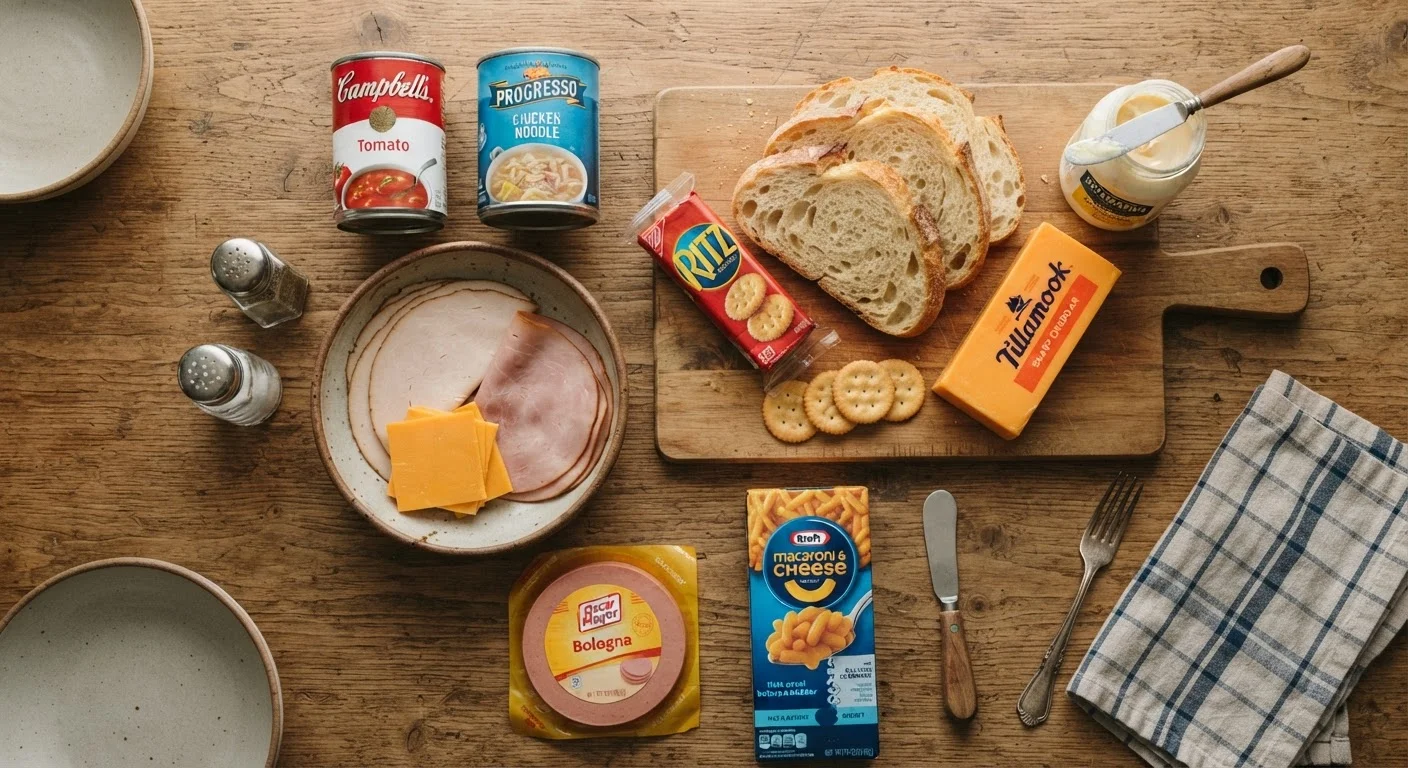
Photo credit: FaqInsider.com
In this article
Most dietary sodium doesn't come from a salt shaker. Explore where it shows up in everyday eating and what the research says.
Key Takeaways
- Most dietary sodium in the U.S. comes from processed and restaurant foods, not the salt shaker.
- The Dietary Guidelines for Americans recommend limiting sodium to 2,300 mg per day for most adults.
- Average U.S. sodium intake is substantially higher than recommended levels.
- High sodium consumption is associated with elevated blood pressure, a key cardiovascular risk factor.
- Reading nutrition labels is one of the most effective ways to track sodium intake.
- Reducing sodium gradually can help taste preferences adjust over time.
Why Americans Consume So Much Sodium
The United States has a sodium problem that has little to do with reaching for the salt shaker at the dinner table. According to the Centers for Disease Control and Prevention (CDC), roughly 70% of Americans' sodium intake comes from processed, packaged, and restaurant foods - not from salt added during cooking or at the table.
This matters because sodium is embedded in the food supply at a structural level. Manufacturers use it to extend shelf life, enhance flavor, and improve texture across thousands of products. The result is that many Americans are consuming far more sodium than they realize, often through foods they might not associate with saltiness at all.
The Dietary Guidelines for Americans recommend limiting sodium to 2,300 mg per day for most adults - roughly equivalent to one teaspoon of table salt. Yet national intake estimates from federal nutrition surveys consistently show average consumption well above that threshold, with many adults consuming closer to 3,400 mg daily.
~3,400 mg
Average daily sodium intake for U.S. adults
According to federal dietary surveys analyzed by the CDC and USDA, average adult intake substantially exceeds the 2,300 mg daily recommendation.
70%
Sodium from packaged and restaurant foods
The CDC estimates that approximately 70% of Americans' sodium consumption comes from processed, packaged, and prepared foods rather than home cooking or table salt.
Nearly 1 in 2
U.S. adults with high blood pressure
The CDC reports that close to half of American adults have hypertension, a condition for which high sodium intake is a significant contributing risk factor.
Where Sodium Actually Hides in Everyday Food
Understanding where sodium concentrates can fundamentally change how you read a grocery label. The CDC and other public health authorities have identified a consistent group of foods that account for the bulk of sodium in American diets:
- Bread and rolls: A single slice can contain 100-200 mg of sodium, and portions often involve multiple slices.
- Deli and cured meats: Salami, ham, turkey breast, and similar products are heavily preserved with sodium.
- Canned and packaged soups: A single serving can approach or exceed 800 mg - more than a third of the daily limit.
- Pizza: Between the crust, sauce, cheese, and toppings, a few slices can deliver a day's worth of sodium in one sitting.
- Cheese: Processed and semi-hard cheeses are significant contributors, even in modest portions.
- Condiments and sauces: Soy sauce, ketchup, salad dressings, and hot sauces can be concentrated sodium sources.
The pattern here is that convenience and ultra-processed foods drive intake. This is connected to the broader conversation about dietary quality - similar hidden-ingredient dynamics appear in added sugar consumption, where ingredients are embedded in unexpected products.
Sodium, Blood Pressure, and Cardiovascular Health
The primary health concern linked to excessive sodium intake is hypertension - elevated blood pressure - which is a leading modifiable risk factor for heart disease and stroke. Sodium causes the body to retain water, which increases the volume of blood circulating through the arteries and raises pressure on vessel walls.
Not everyone responds to sodium equally. Some people are classified as "salt-sensitive," meaning their blood pressure rises more sharply in response to sodium intake. This tendency is more common among older adults, Black Americans, people with existing hypertension, and those with diabetes or chronic kidney disease - populations for whom careful sodium management is especially relevant.
“Strong and consistent evidence shows that reducing sodium intake lowers blood pressure in adults, and that lower sodium intakes are associated with reduced risk of cardiovascular disease.”
— Dietary Guidelines Advisory Committee, Federal scientific advisory body informing U.S. dietary policy
Research also suggests that reducing sodium intake as part of a broader dietary pattern - such as the DASH (Dietary Approaches to Stop Hypertension) diet or patterns similar to Mediterranean eating - can amplify cardiovascular benefits. For a broader comparison of dietary patterns, see our nutritional comparison of the Mediterranean and standard American diets.
This article provides general nutrition education and is not a substitute for personalized medical advice. If you have questions about sodium intake and your health, consult a qualified healthcare provider.
Practical Ways to Reduce Sodium Without Losing Flavor
Cutting sodium doesn't require bland eating - it requires a shift in strategy. Several evidence-informed approaches can help:
- Read Nutrition Facts labels: Look at the sodium content per serving and consider how many servings you'll actually consume. Labels listing "% Daily Value" for sodium use 2,300 mg as the benchmark.
- Choose lower-sodium versions of staples: Many canned goods, broths, and condiments are available in reduced-sodium formulations that can significantly lower intake without changing your overall eating pattern.
- Cook from whole ingredients more often: Unprocessed foods - fresh vegetables, uncooked grains, fresh proteins - are naturally low in sodium. Preparing meals at home gives you direct control over what's added.
- Build flavor through other means: Citrus, vinegar, fresh herbs, spices, and aromatics like garlic and ginger add complexity without sodium.
- Reduce gradually: Taste perception adapts. Lowering sodium intake over several weeks allows the palate to recalibrate so that less salty foods become satisfying.
A well-rounded dietary approach also considers what you're adding, not just what you're limiting. Nutrients like dietary fiber - which most Americans also underconsume - support cardiovascular and metabolic health in complementary ways. See our overview of dietary fiber and why most Americans fall short for more context.
Frequently Asked Questions

Author
Health & Wellness Editorial Team
Health & Wellness Editorial Team is the collective byline for our editorial team and contributor network. Articles published under this byline or an editorial pen name are researched, written, and reviewed according to our editorial standards for clarity, consistency, and independence before publication.
View all articles →