
Sugar's Many Names on an Ingredients List
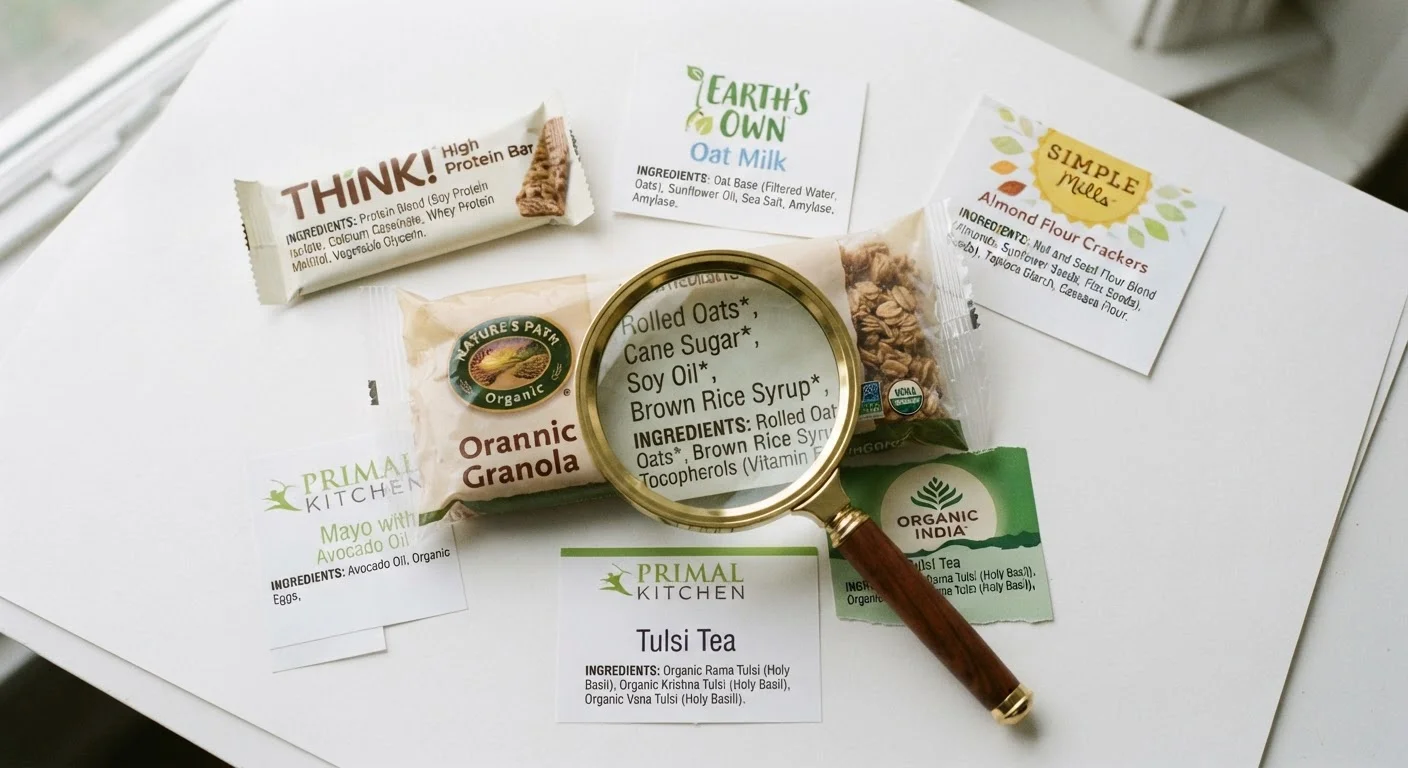
Photo credit: FaqInsider.com
In this article
Added sugar appears under dozens of names on food labels. Learn to spot the most common ones and understand their context.
Why Sugar Has So Many Names
Food manufacturers use dozens of terms for added sugar - not because they are chemically identical, but because sugars come from different sources and undergo different processing. Cane juice, malt syrup, and dextrose are all added sugars, even though they look nothing alike on a label.
Under U.S. regulations, the Nutrition Facts panel must list total added sugars in grams, making it easier to track intake at a glance. But the ingredients list - where items appear in descending order by weight - is where sugar's many aliases live. A product might contain five or six different sweeteners, each listed separately, which can push them further down the list and make the product appear lower in sugar than it actually is. For a full walkthrough of how to read the Nutrition Facts panel itself, see Reading a Nutrition Facts Label Without the Confusion.
| Number of common sugar aliases | More than 60 recognized names (Various nutrition education sources and label-reading guides) |
| Label regulation (U.S.) | Added sugars must be declared in grams on the Nutrition Facts panel (U.S. Food and Drug Administration (FDA)) |
| Ingredients list order | Descending by weight - first ingredient is the most abundant (FDA food labeling regulations) |
| "Natural" sweeteners (honey, maple syrup) | Still classified as added sugar when used as an ingredient (FDA added sugars definition) |
| Fruit juice concentrate | Counts as added sugar despite a fruit-based source (FDA nutrition labeling guidance) |
A Reference List of Common Sugar Names
The names below are among the most frequently encountered added sugars in U.S. packaged foods. They are grouped loosely by type to make them easier to recognize.
Syrups and Liquid Sugars
- High-fructose corn syrup (HFCS) - a liquid sweetener derived from corn starch, common in soft drinks and processed foods
- Corn syrup - a glucose-based syrup, often found in baked goods and candy
- Brown rice syrup - made from fermented rice; has a mild flavor and is used in some "natural" products
- Agave nectar (or syrup) - derived from agave plants; high in fructose
- Maple syrup - natural but still an added sugar when used as an ingredient
- Malt syrup - produced from barley; used in bread and cereals
- Molasses - a byproduct of sugar refining; contains trace minerals but is still an added sugar
Dry and Granulated Sugars
- Sucrose - table sugar; a disaccharide of glucose and fructose
- Dextrose - another name for glucose; often used in processed and baked foods
- Fructose - fruit sugar in isolated form; used in some beverages and energy products
- Maltose - a sugar formed from two glucose units; found in malted products
- Turbinado sugar - minimally refined cane sugar with a coarse texture
- Coconut sugar - derived from coconut palm sap; still an added sugar despite marketing claims
Juice Concentrates and "Natural" Sweeteners
- Fruit juice concentrate - when stripped of water and fiber, it functions as a concentrated sugar source
- Evaporated cane juice - a less-refined form of cane sugar
- Date sugar or date syrup - made from whole or pureed dates; retains some fiber but counts as added sugar
- Honey - natural but classified as added sugar when used as an ingredient
Added sugar
Any sugar or caloric sweetener that is added to a food during processing or preparation, as distinct from naturally occurring sugars in whole fruits, vegetables, or plain dairy. The Nutrition Facts label lists added sugars separately in grams.
Sucrose
Common table sugar, a disaccharide made up of one glucose and one fructose molecule bonded together. It is derived from sugarcane or sugar beets and is one of the most widely used sweeteners in food production.
High-fructose corn syrup (HFCS)
A liquid sweetener made by converting some of the glucose in corn syrup into fructose. It is widely used in sodas, packaged snacks, and condiments because of its sweetness and low cost.
Fruit juice concentrate
Fruit juice that has had most of its water removed, concentrating its natural sugars. When used as an ingredient, it functions similarly to other added sweeteners and is counted as added sugar on nutrition labels.
Dextrose
Another name for glucose, the simplest form of sugar and the body's primary energy source. Dextrose is commonly used in baked goods, sports drinks, and processed foods.
Maltose
A sugar composed of two glucose molecules, produced during the breakdown of starches. It naturally occurs in malted grains and is used as a sweetener in some breads, cereals, and beverages.
For more on where added sugar turns up unexpectedly - including sauces, breads, and condiments - see Understanding Added Sugar: Where It Hides and What Guidelines Say.
Putting This Knowledge Into Practice
Recognizing sugar aliases is useful, but context matters. A small amount of honey in a whole-grain bread is nutritionally different from high-fructose corn syrup as the second ingredient in a breakfast cereal. Position in the ingredients list and total added sugars in grams (on the Nutrition Facts panel) together give the most complete picture.
Public health guidance in the United States - from bodies such as the Dietary Guidelines for Americans advisory committee - generally recommends limiting added sugars as a share of total daily calories, though specific numeric targets are set for population-level guidance rather than individual prescriptions. Always consult a registered dietitian or qualified healthcare provider for personalized nutrition recommendations, especially if you are managing a health condition.
"Natural" Doesn't Mean Low in Sugar
Sweeteners like honey, coconut sugar, agave, and maple syrup are often marketed as healthier alternatives to refined sugar. While they may retain trace nutrients, they are still classified as added sugars and affect blood glucose similarly to conventional sugar. The total grams of added sugar on the Nutrition Facts panel is a more reliable guide than the source of the sweetener.
Being able to decode an ingredients list is a practical nutrition skill that pairs well with a broader understanding of food labels. See Reading a Nutrition Label Without the Guesswork for a plain-language guide to every section of a standard U.S. label.
This article is for general informational and educational purposes only and does not constitute medical or dietary advice. Consult a qualified healthcare professional for guidance specific to your health needs.

Author
Health & Wellness Editorial Team
Health & Wellness Editorial Team is the collective byline for our editorial team and contributor network. Articles published under this byline or an editorial pen name are researched, written, and reviewed according to our editorial standards for clarity, consistency, and independence before publication.
View all articles →