
Fertilizer Numbers Decoded: What N-P-K Actually Means
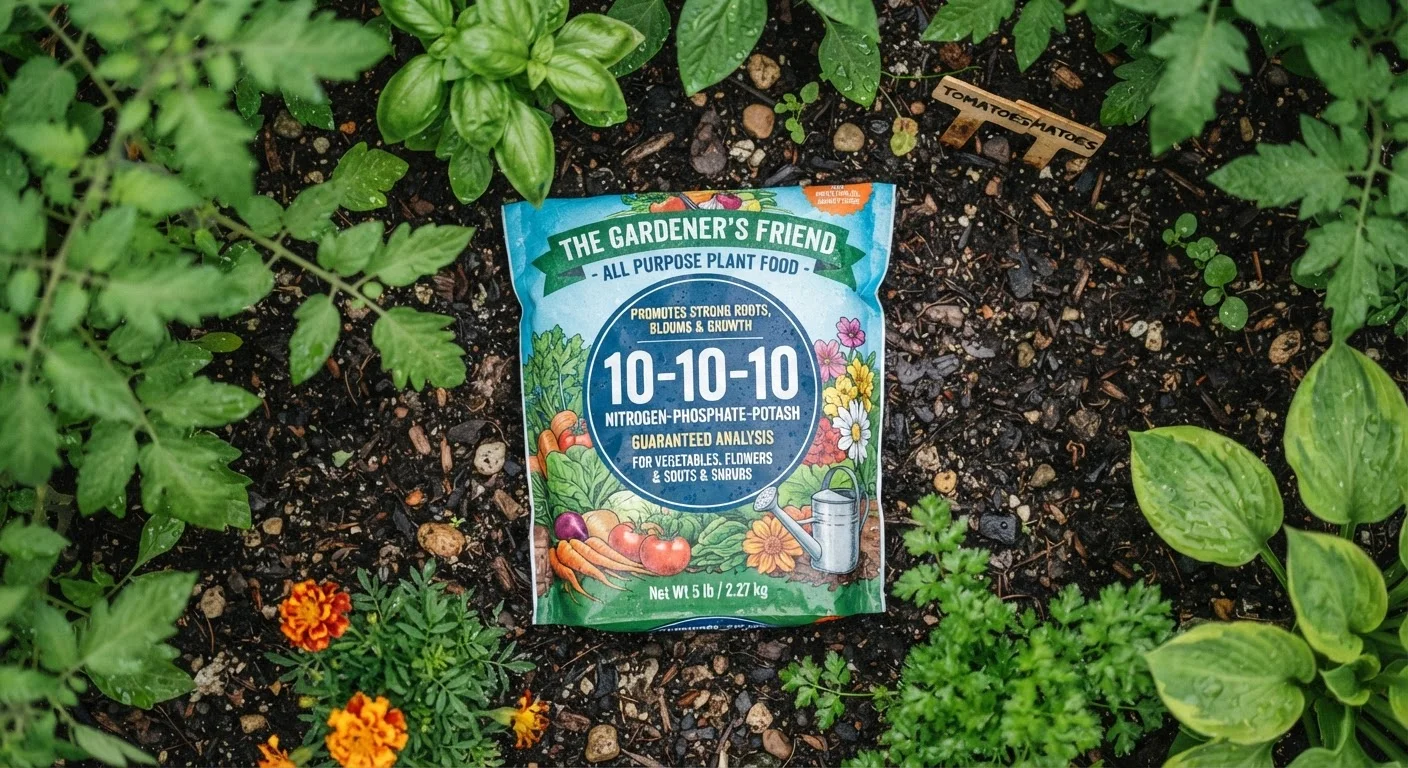
Photo credit: FaqInsider.com
In this article
Those three numbers on every fertilizer bag tell you something important. Here's a plain-language explanation of nitrogen, phosphorus, and potassium.
Key Takeaways
- The three numbers on a fertilizer bag always represent nitrogen, phosphorus, and potassium - in that order.
- Each number is the percentage of that nutrient by weight in the bag.
- Nitrogen drives leafy growth, phosphorus supports roots and flowers, and potassium strengthens overall plant health.
- A balanced fertilizer has roughly equal numbers; specialty formulas are skewed toward a specific nutrient.
- A soil test is the most reliable way to know which nutrients your garden actually needs.
Why Those Numbers Matter
Pick up almost any bag of fertilizer at a garden center and you'll see a sequence like 10-10-10 or 24-0-11 printed prominently on the front. These aren't random codes - they're a standardized shorthand that tells you exactly what's inside and, more importantly, how that product will affect your plants.
Each number is a percentage. If a bag weighs 20 pounds and is labeled 10-5-5, it contains 2 pounds of nitrogen, 1 pound of phosphorus compound, and 1 pound of potassium compound. The remaining weight is filler material that helps distribute the nutrients evenly. Understanding this ratio helps you choose a fertilizer that matches what your plants actually need - rather than grabbing whatever's on sale.
3
Primary macronutrients in every N-P-K label
Nitrogen, phosphorus, and potassium are classified as primary macronutrients by agronomists because plants consume them in the largest quantities relative to other soil nutrients.
~50%
Of a fertilizer bag that may be inert filler
A common 10-10-10 fertilizer contains 30% active nutrients by weight; the remaining material is carrier or filler that ensures even distribution during application.
What Each Nutrient Actually Does
Nitrogen (N) - The Growth Driver
Nitrogen is responsible for the lush, green, leafy growth most gardeners associate with a healthy plant. It's a key component of chlorophyll, the molecule plants use to convert sunlight into energy. When nitrogen is plentiful, plants grow quickly and look vibrantly green. When it's lacking, leaves often turn pale yellow - a condition called chlorosis - and growth slows noticeably.
Lawns, leafy vegetables like lettuce and spinach, and any plant you're trying to establish will typically benefit most from adequate nitrogen. However, too much nitrogen can push a plant to grow leaves and stems at the expense of flowers, fruit, or deep roots.
Phosphorus (P) - Root and Bloom Support
The middle number governs phosphorus, a nutrient closely tied to root development, flowering, and seed production. Young seedlings and transplants especially benefit from phosphorus because it helps them establish a strong root system before putting energy into above-ground growth. Flowering and fruiting plants also lean heavily on phosphorus during their bloom cycle.
Phosphorus moves very slowly through soil, so surface application is less effective than working it into the root zone when planting.
Potassium (K) - The All-Around Strengthener
Potassium - sometimes called potash - is the third number and works more like a support nutrient than a direct growth driver. It regulates water uptake, improves drought tolerance, strengthens cell walls, and helps plants resist disease and temperature stress. Fruits and root vegetables often have higher potassium demands as they mature.
Match the Ratio to the Growth Stage
Plants have different nutrient priorities depending on where they are in their life cycle. Young transplants and seedlings benefit from extra phosphorus to build roots, while established plants pushing into flowering or fruiting may need a potassium boost. Shifting your fertilizer formula as your plants grow - rather than applying the same product all season - can meaningfully improve results.
Choosing the Right Ratio for Your Garden
The right N-P-K ratio depends on what you're growing and what your soil already contains. A fertilizer with a high first number (like 30-0-4) is well-suited to an established lawn that needs a green-up. A higher middle number (like 5-10-5) works better when you're starting new transplants or encouraging flower and fruit production. A balanced formula like 10-10-10 is a reasonable all-purpose choice when you're unsure.
The single most reliable guide to what your garden needs is a soil test. Many cooperative extension offices and garden centers offer affordable testing kits or mail-in services. A soil test reveals existing nutrient levels and pH, so you can correct actual deficiencies rather than guessing.
Once you're comfortable reading N-P-K labels, you may want to explore how the type of fertilizer - not just its nutrient ratio - affects your soil over time. See our comparison of organic and synthetic fertilizers for a breakdown of how each type releases nutrients and what that means for long-term soil health. You can also explore how organic and synthetic fertilizers affect soil biology differently if you want a deeper look at the science.
Reading the Label Beyond N-P-K
The N-P-K ratio is the headline, but a fertilizer label contains other useful information. Secondary nutrients - calcium, magnesium, and sulfur - appear on many labels and matter especially for specific crops or deficient soils. Micronutrients like iron, manganese, and zinc may also be listed, typically needed in much smaller amounts but still critical for plant health.
Application rate instructions on the label are there for good reason. Applying more than recommended doesn't speed up results - it increases the risk of burning plants and contributing to nutrient runoff into local water sources. Always follow the rate guidance for the plants and area size you're treating, and water thoroughly after applying granular fertilizers to help nutrients move into the soil where roots can reach them.
Frequently Asked Questions

Author
Home & Garden Editorial Team
Home & Garden Editorial Team is the collective byline for our editorial team and contributor network. Articles published under this byline or an editorial pen name are researched, written, and reviewed according to our editorial standards for clarity, consistency, and independence before publication.
View all articles →