
Lawn Aeration Explained: When, Why, and Whether You Need It
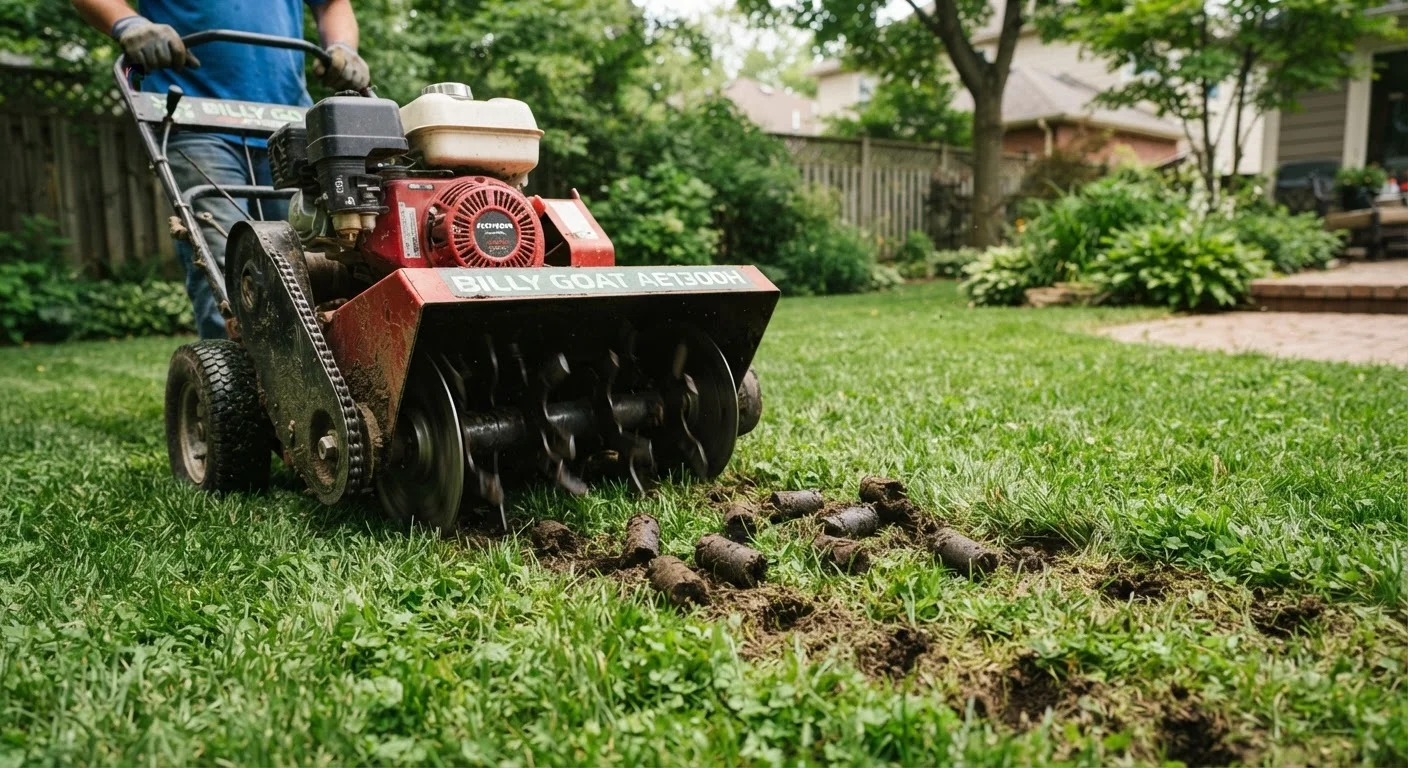
Photo credit: FaqInsider.com
In this article
Understand what lawn aeration does, the signs your lawn actually needs it, and how core aeration differs from spike aeration.
Key Takeaways
- Compacted soil blocks water and nutrients from reaching grass roots, leading to thin, stressed turf.
- Core aeration is generally more effective than spike aeration for relieving compaction.
- Most cool-season grasses benefit from fall aeration; warm-season grasses do better in late spring or early summer.
- Not every lawn needs annual aeration - high-traffic and clay-heavy lawns need it most.
- Aeration is most effective when combined with overseeding and fertilizing in the same season.
What Compaction Does to Your Lawn
Healthy grass depends on what happens underground. Roots need a loose, porous soil structure to access oxygen, absorb water, and take up the nutrients your lawn needs to stay thick and green. When soil becomes compacted - compressed tightly enough that its natural pore spaces disappear - roots struggle to grow deeper and the entire lawn weakens from below.
Compaction happens gradually. Foot traffic, lawn equipment, heavy rain, and even natural soil settling all press soil particles closer together over time. Clay soils are especially vulnerable because their fine particles pack tightly with little encouragement. The result is a lawn that looks stressed: thin patches, water runoff after rain, and grass that doesn't respond to fertilizer the way it should.
Understanding how soil conditions affect plant health is key to diagnosing what's actually happening beneath your lawn's surface.
½ inch
Thatch depth that signals aeration may be needed
Lawn care educators generally cite a thatch layer exceeding half an inch as a key threshold prompting aeration consideration.
2-3 inches
Typical soil plug depth from core aeration
Standard core aerator tines extract plugs at this depth, which is where the majority of grass root activity occurs.
2-4 weeks
Time for soil plugs to break down naturally
Under normal conditions, aeration plugs left on the lawn's surface decompose and return organic matter within this window.
Core Aeration vs. Spike Aeration: What's the Difference?
Two methods dominate the market, and they're not equally effective.
Core aeration uses hollow metal tines (tubes) that physically extract small cylinders of soil - typically 2-3 inches deep and about half an inch in diameter - and deposit them on the surface. This creates genuine openings in the soil where air, water, and nutrients can flow freely. The removed plugs break down on the lawn over several weeks, returning organic matter to the surface.
Spike aeration uses solid tines that punch holes by pushing soil sideways rather than removing it. While it may seem like a faster, easier solution, this displacement can actually increase soil density in the walls around each hole, particularly in clay-heavy soils. For most homeowners dealing with compaction, core aeration delivers noticeably better results.
Rent Before You Buy
Core aerators are heavy, specialized machines that most homeowners only need once or twice a year. Many home improvement and equipment rental centers offer them by the half-day or full day. For smaller lawns, a manual or tow-behind aerator may be sufficient - evaluate the square footage and your soil type before investing in equipment outright.
When to Aerate: Timing Matters
Aeration timing depends primarily on your grass type, because you want to aerate when your lawn is in - or approaching - its peak growing season. That way, the turf can recover quickly and fill in the holes.
- Cool-season grasses (Kentucky bluegrass, tall fescue, ryegrass): Aerate in early fall, typically late August through October. Soil is still warm, moisture is more consistent, and the grass has weeks of active growth ahead before winter.
- Warm-season grasses (Bermuda, zoysia, St. Augustine): Aerate in late spring to early summer, once the lawn has fully greened up and active growth is underway.
Avoid aerating during drought stress or extreme heat, as open soil holes lose moisture rapidly and can worsen the lawn's condition rather than improve it. For a full picture of when to schedule aeration alongside your other seasonal tasks, see the year-round lawn maintenance calendar.
Signs Your Lawn Actually Needs Aeration
Not every lawn needs aerating every year. Before renting equipment or hiring a service, look for these indicators:
- Water puddles or runs off rather than soaking in after rain or irrigation
- The screwdriver test fails: a screwdriver pushed into moist soil meets firm resistance before 2 inches
- Thatch exceeds half an inch: a spongy layer of dead grass stems between the soil and the green blades
- Heavy foot traffic areas look thin, worn, or bare despite regular care
- Clay-dominant soil in your yard - a common condition across much of the U.S. Southeast and Midwest
Lawns established on sandy soil with minimal traffic may rarely need aeration. If you're unsure how your watering routine factors into these symptoms, reviewing common lawn watering misconceptions can help you rule out other causes before committing to aeration.
Making the Most of Aeration
Aeration alone improves conditions underground, but pairing it with complementary tasks amplifies the benefit considerably. Consider these follow-up steps in the same weekend:
- Overseed immediately after aerating - seeds fall into the holes and make direct soil contact, dramatically improving germination rates compared to seeding unaerarated ground.
- Apply a starter fertilizer - nutrients reach root zones more efficiently while channels are open.
- Water consistently for the next few weeks - newly seeded areas and recovering turf both need steady moisture to establish.
A complete month-by-month view of when these tasks fit together can be found in the seasonal lawn care calendar for American homeowners. Done at the right time and followed up thoughtfully, aeration is one of the most effective tools available for a healthier, denser lawn over the long term.
Frequently Asked Questions

Author
Home & Garden Editorial Team
Home & Garden Editorial Team is the collective byline for our editorial team and contributor network. Articles published under this byline or an editorial pen name are researched, written, and reviewed according to our editorial standards for clarity, consistency, and independence before publication.
View all articles →