
Preventive Vet Care: What Routine Visits Actually Cover
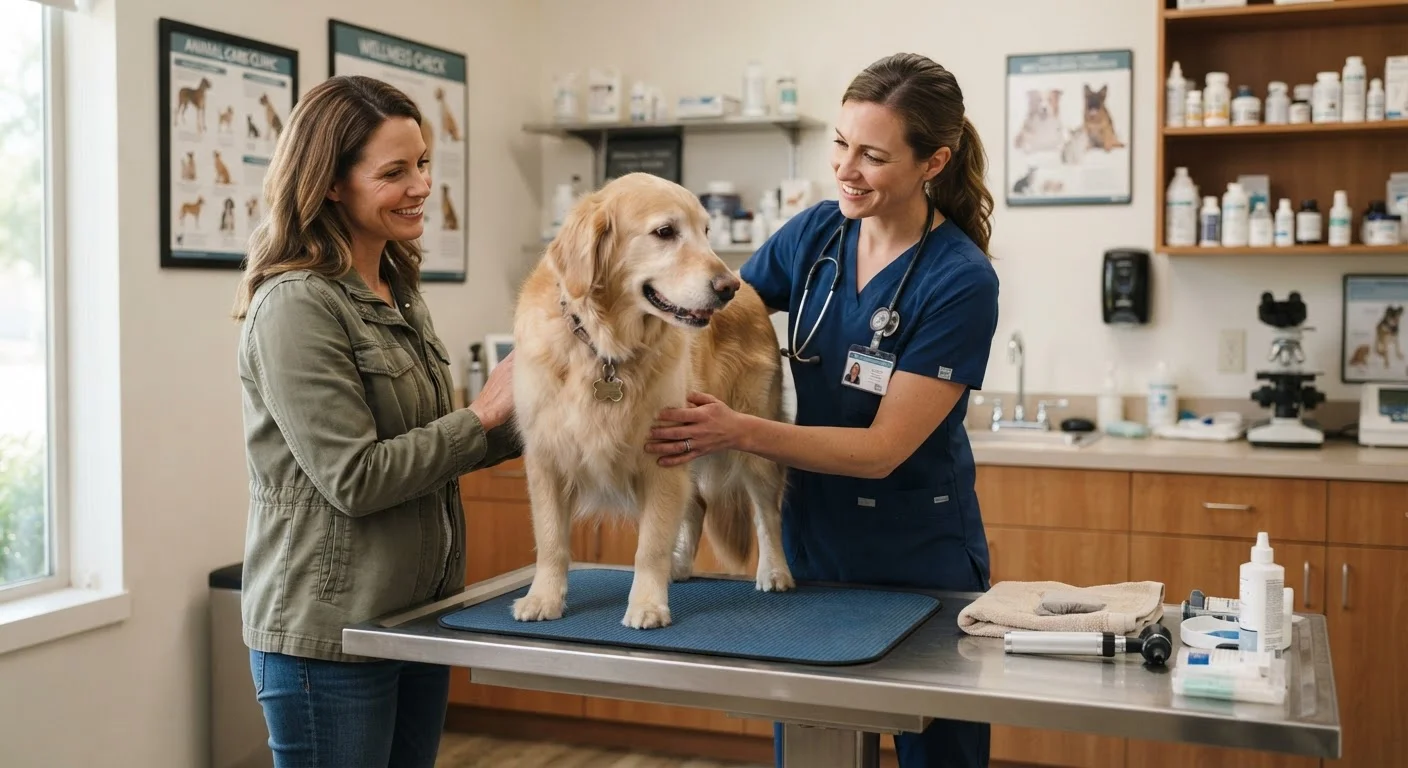
Photo credit: FaqInsider.com
In this article
Annual wellness exams are more than a quick weigh-in. Here's what vets check during routine visits and why these appointments matter long-term.
Key Takeaways
- Routine vet visits cover a head-to-tail physical exam, not just vaccinations.
- Vets use wellness exams to detect early signs of disease before symptoms are obvious.
- Parasite prevention, dental health, and weight management are all addressed during checkups.
- Annual visits help establish a health baseline unique to your individual pet.
- Preventive care is generally more cost-effective than treating advanced illness.
More Than a Weigh-In: The Full Scope of a Routine Exam
Many pet owners think of routine vet visits as a quick check-in - maybe a vaccine or two and a number on the scale. In reality, a standard wellness exam is a systematic, head-to-tail assessment of your pet's physical condition. Understanding what's actually happening during that appointment helps you become a more engaged partner in your pet's care.
A typical physical exam covers:
- Eyes and ears: Checking for discharge, redness, cloudiness, infection, or early signs of conditions like cataracts or ear mites.
- Mouth and teeth: Assessing tartar buildup, gum inflammation, broken teeth, and signs of periodontal disease - one of the most common conditions vets find in adult dogs and cats.
- Lymph nodes and abdomen: Feeling for unusual swelling, masses, or organ enlargement that could signal infection, inflammation, or tumors.
- Heart and lungs: Listening for murmurs, irregular rhythms, or abnormal breathing sounds.
- Skin and coat: Evaluating for parasites, hot spots, lumps, or signs of allergies and hormonal imbalance.
- Musculoskeletal system: Observing gait and joint mobility, particularly important in aging pets prone to arthritis.
For a deeper look at what you can monitor between appointments, see our monthly at-home wellness checklist for practical guidance.
Bring a Written List to Every Appointment
Vet appointments move quickly and it's easy to forget questions once you're in the room. Writing down observations, concerns, and questions beforehand ensures you cover everything important. Even small behavioral changes - like sleeping more or eating grass - can be worth mentioning to your vet.
Vaccinations, Parasite Control, and Preventive Screenings
Beyond the physical exam, routine visits are the primary opportunity to update your pet's preventive care plan. This includes vaccines, parasite prevention, and - depending on your pet's age and history - diagnostic screenings.
Vaccinations are tailored to your pet's species, lifestyle, and regional disease risks. A dog who visits dog parks or boarding facilities has different vaccine needs than one who rarely leaves home. Your vet will distinguish between core vaccines (recommended for all pets) and lifestyle vaccines (based on individual exposure).
Parasite prevention is another cornerstone. Heartworm testing, fecal exams for intestinal parasites, and flea and tick prevention discussions are all standard. Even indoor pets can be exposed to parasites, making year-round prevention a topic worth addressing at every visit.
Diagnostic screenings become more common as pets age. Blood panels, urinalysis, and thyroid testing can catch metabolic diseases, kidney decline, or diabetes before clinical signs appear. Many vets recommend baseline bloodwork starting around age five to seven so that future results have a reference point for comparison.
Frequency Changes With Age and Species
Puppies and kittens typically need several vet visits in their first year to complete vaccine series and early screenings. Adult pets generally transition to annual visits. Senior pets - usually dogs and cats over seven - often benefit from biannual exams, since health conditions can develop and progress more rapidly in older animals. Your vet is the best guide for scheduling based on your specific pet.
The Conversation: Why What You Say Matters
One underappreciated part of every wellness visit is the client conversation. Your observations at home are data a vet can't get from an exam alone. Changes in appetite, thirst, elimination habits, energy, or behavior can all indicate emerging health issues - and you're the only one positioned to notice them.
Come prepared to discuss:
- Any changes in eating, drinking, or weight
- Shifts in activity level, sleep patterns, or personality
- New lumps, limping, or unusual odors
- Current diet, treats, and any supplements
- Concerns about anxiety, aggression, or house-training regressions
This is also the time to ask about dental cleanings, spay/neuter considerations if relevant, and how to keep care financially manageable. Our guide on keeping vet costs manageable covers practical strategies worth reviewing.
If you're building your overall preventive care approach from the ground up, the first-time pet owner's roadmap to preventive care provides a solid framework. And for more detail on how routine exams compare to as-needed care, see annual vet visits vs. as-needed care.
This article is for general informational purposes only and does not constitute veterinary medical advice. Always consult a licensed veterinarian for guidance specific to your pet's health needs.
Frequently Asked Questions

Author
Pets & Animals Editorial Team
Pets & Animals Editorial Team is the collective byline for our editorial team and contributor network. Articles published under this byline or an editorial pen name are researched, written, and reviewed according to our editorial standards for clarity, consistency, and independence before publication.
View all articles →