
Annual Vet Visits vs. As-Needed Care: What Keeps Pets Healthier?
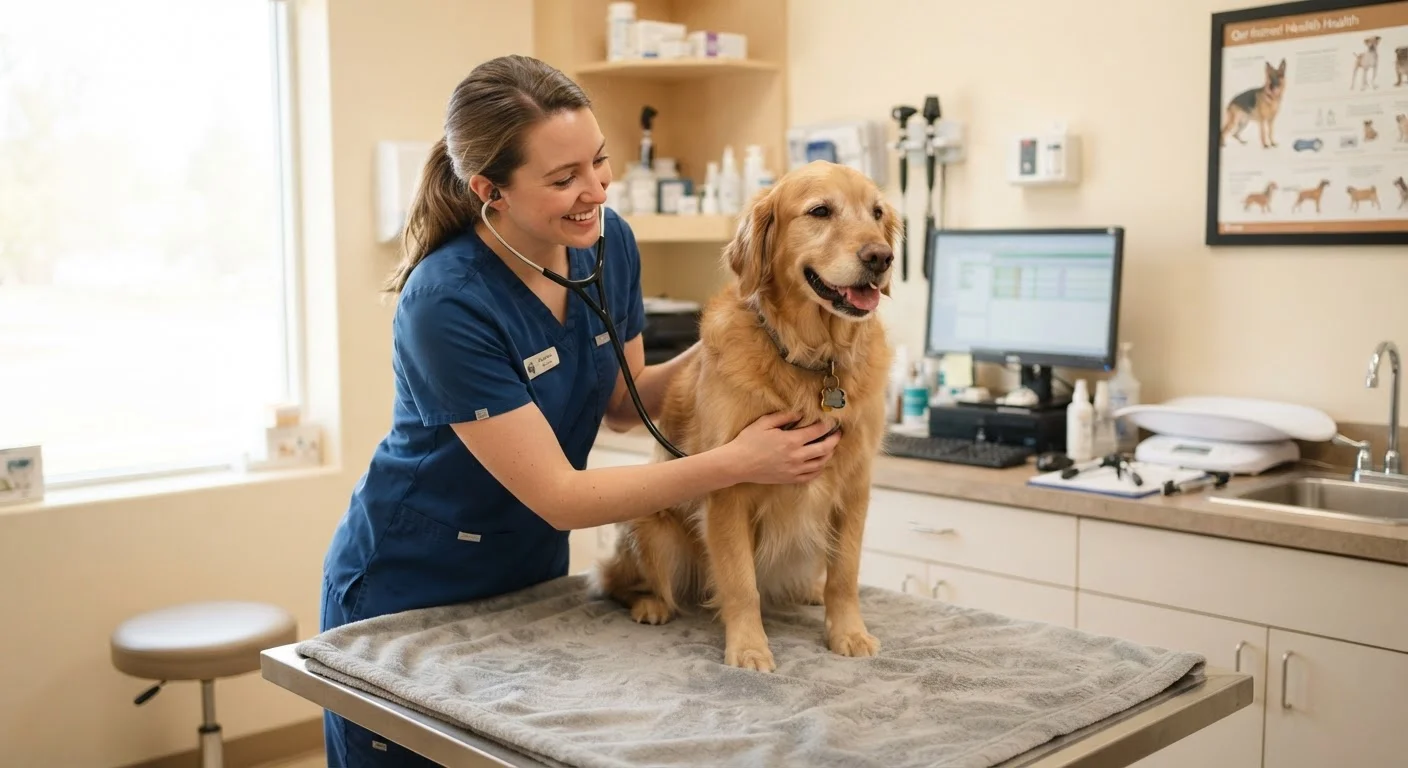
Photo credit: FaqInsider.com
In this article
Should you stick to a yearly checkup schedule or only visit when something seems wrong? We break down the tradeoffs for cat and dog owners.
Key Takeaways
- Annual wellness exams catch developing health problems before symptoms appear, especially in older pets.
- As-needed visits address urgent concerns but miss the preventive value of a full physical exam.
- Pets age faster than humans - one calendar year can represent significant physiological change.
- Senior pets (generally 7+ years) typically benefit from twice-yearly checkups rather than annual ones.
- At-home monitoring between visits helps owners notice changes early and bring useful information to the vet.
Why the Frequency of Vet Visits Actually Matters
Most pet owners know they should see a vet regularly - but when life gets busy, visits can slip from annual to every two or three years, with in-between trips reserved for obvious illness. The question is: does that gap matter?
The short answer is yes, and it comes down to how quickly pets age. A single calendar year represents a much larger physiological shift in a dog or cat than it does in a human. Conditions like dental disease, early-stage kidney issues, thyroid problems, and weight changes can all develop and progress significantly between annual visits - and many show no clear outward signs until they're well advanced.
Annual wellness exams aren't just about catching what's visibly wrong. They establish a baseline - a record of your pet's normal weight, heart rate, coat quality, and organ function. That baseline is what allows your vet to identify meaningful change over time. Without it, subtle deterioration is easy to miss. For more on what these exams actually include, see what vets check during a routine wellness visit.
| Criterion | Annual Vet Visits | As-Needed Care |
|---|---|---|
| Visit trigger | Scheduled regardless of symptoms | Prompted by observable problem |
| Early disease detection | Strong - baseline comparisons possible | Weak - relies on visible symptoms |
| Vaccination maintenance | Systematically reviewed each visit | Easily overlooked between visits |
| Dental & weight monitoring | Checked at each exam | Only assessed if raised as concern |
| Parasite screening | Typically included in wellness exam | Only if infestation is suspected |
| Health record continuity | Ongoing, longitudinal data collected | Fragmented, episode-based records |
| Suitable for senior pets | Yes - bi-annual often recommended | Insufficient as sole approach |
| Handling acute illness or injury | Not designed for urgent situations | Essential - visit promptly when needed |
What Annual Visits Catch That Symptoms Don't Signal
One of the most important things a routine exam does is screen for conditions pets hide well. Dogs and cats are instinctively guarded about showing discomfort - by the time behavioral changes appear, a health issue may already be in a more advanced stage.
During a standard annual visit, a vet will typically assess body condition and weight trends, listen to the heart and lungs for abnormalities, palpate the abdomen for organ size and tenderness, inspect teeth and gums for signs of periodontal disease, check eyes and ears, update or assess vaccination status, and recommend parasite screening. Many of these checks require hands-on clinical examination - they can't be replicated at home. Dental disease in particular progresses quickly without professional assessment and is linked to broader systemic health issues.
~80%
Dogs showing dental disease by age 3
According to the American Veterinary Medical Association, the majority of dogs show signs of periodontal disease by age three - often without visible symptoms owners would notice.
2x/year
Recommended exam frequency for senior pets
The American Animal Hospital Association advises that pets in their senior years be seen twice annually, as age-related health changes can progress rapidly between visits.
~7 years
Human-equivalent years in one dog year (adult)
Research published in Cell Systems suggests the relationship between dog and human aging is complex, but adult dogs age more rapidly than a simple 7:1 ratio implies.
For senior pets - generally considered to be dogs over 7 and cats over 10, though this varies by breed and size - the American Animal Hospital Association and the American Association of Feline Practitioners recommend moving to twice-yearly exams. The reasoning is practical: age-related changes accelerate, and six months is a long time in a senior animal's health trajectory. See our article on how health needs shift in senior pets for more detail.
The Legitimate Role of As-Needed Visits
As-needed care isn't a flawed concept - it's an essential layer of responsive care that should exist alongside scheduled visits, not replace them. Certain situations genuinely warrant an unplanned trip to the vet: sudden vomiting or diarrhea lasting more than 24 hours, limping or signs of pain, significant changes in thirst or urination, unexplained weight loss, difficulty breathing, eye or ear discharge, or any behavior that strikes you as markedly out of character.
The problem with relying on as-needed visits as your only strategy is the visibility gap. Many serious conditions - early kidney disease, dental infections, heart murmurs, thyroid dysfunction - have no obvious symptoms in their early stages. By the time your pet is acting sick enough to trigger a vet visit, the condition may have progressed considerably. An owner who only visits when something looks wrong will consistently miss that window of early intervention.
Building good at-home observation habits can help bridge the gap between appointments. A structured monthly check - covering eyes, ears, coat, teeth, weight, and behavior - gives you a consistent reference point and helps you notice gradual changes that might otherwise go unnoticed. Our monthly pet wellness check guide walks through exactly what to look for.
Building a Care Strategy That Works for Your Pet
The most effective approach for most cats and dogs is a layered one: scheduled annual (or bi-annual for seniors) wellness exams, supplemented by as-needed visits when acute changes occur, and supported by consistent at-home observation between appointments.
A few practical considerations help refine this for your individual pet. Life stage matters - puppies and kittens need more frequent early visits for vaccines and developmental checks. Breed can be a factor too, as some breeds carry elevated risk for specific conditions that benefit from earlier or more frequent screening. And any pet with a known chronic health issue should have a visit schedule tailored by their vet rather than defaulted to once per year.
Keeping organized health records also makes every visit more productive. Vaccination history, weight trends, and previous test results give your vet context that improves the quality of care. Pet health records matter more than most owners realize - especially when your pet sees a different vet or needs emergency care.
Ultimately, as-needed care handles what's urgent; annual visits protect what's invisible. Both have a place - but only one of them reliably keeps you ahead of the problem.
This article is for general informational purposes only and does not constitute veterinary advice. Always consult a licensed veterinarian for guidance specific to your pet's health needs.

Author
Pets & Animals Editorial Team
Pets & Animals Editorial Team is the collective byline for our editorial team and contributor network. Articles published under this byline or an editorial pen name are researched, written, and reviewed according to our editorial standards for clarity, consistency, and independence before publication.
View all articles →