
Cat Grooming vs. Over-Grooming: Where Normal Ends and Stress Begins
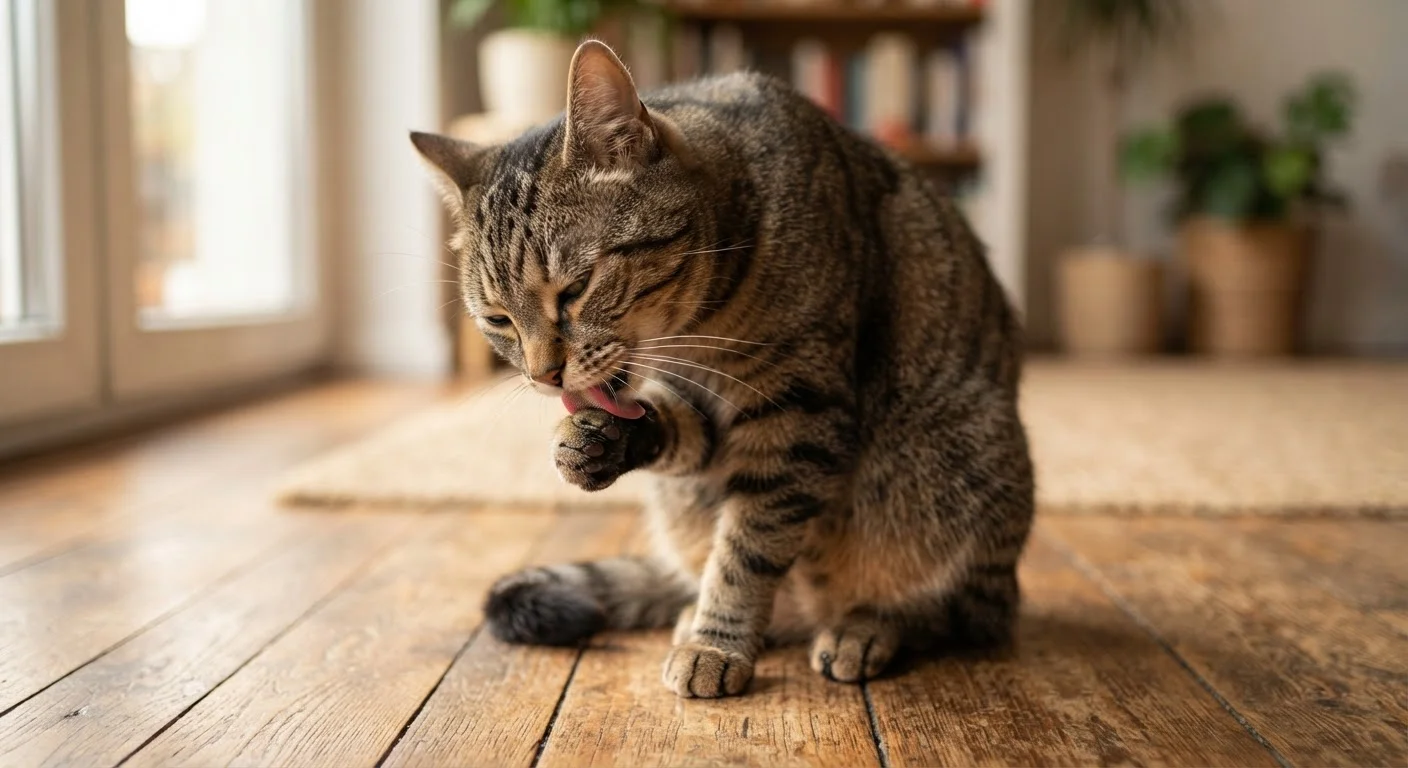
Photo credit: FaqInsider.com
In this article
Cats are meticulous self-groomers, but bald patches and raw skin tell a different story. Learn to spot the difference.
Key Takeaways
- Healthy cats groom for up to 50% of their waking hours - this is normal and necessary for coat and skin health.
- Over-grooming produces visible signs: bald patches, thinning fur, redness, or broken skin, especially on the belly and inner legs.
- Stress, anxiety, allergies, and pain are the most common triggers for compulsive grooming in cats.
- A vet visit is essential when grooming causes hair loss or skin damage - do not wait for symptoms to resolve on their own.
- Environmental enrichment and routine stability can help reduce stress-driven over-grooming.
What Normal Cat Grooming Actually Looks Like
Cats are among the most dedicated self-groomers in the animal world. A healthy adult cat may spend somewhere between 30% and 50% of its waking hours grooming - licking fur, nibbling between toes, and scrubbing its face with dampened paws. This isn't vanity. Grooming distributes natural skin oils, removes loose fur, regulates body temperature, and keeps parasites at bay.
Normal grooming follows predictable patterns. You'll most often see it after meals, after waking from a nap, or following a petting session. The cat appears relaxed: body loose, eyes soft, posture comfortable. Sessions are thorough but not frantic, and they end naturally. The coat that results looks smooth, consistent, and evenly distributed - no thin patches, no raw areas.
Mutual grooming between bonded cats (called allogrooming) is also a normal social behavior and a sign of a healthy relationship. For a broader look at how coat condition reflects overall health, see what your pet's coat is telling you about their health.
| Criterion | Normal Grooming | Over-Grooming |
|---|---|---|
| Frequency | 30-50% of waking hours | Excessive; disrupts play and sleep |
| Appearance during session | Relaxed, methodical, self-limiting | Frantic, repetitive, hard to interrupt |
| Coat result | Smooth, even, full coverage | Bald patches, thinning, broken fur |
| Skin condition | Healthy, no irritation | Redness, raw skin, scabbing |
| Common trigger | Meals, naps, being touched | Stress, pain, allergies, parasites |
| Action required | None - monitor as baseline | Veterinary evaluation needed |
How Over-Grooming Is Different - And What Causes It
Over-grooming, sometimes called psychogenic alopecia (stress-induced hair loss), looks similar to normal grooming on the surface - it's still a cat licking itself. The difference shows up in the intensity, the duration, and the physical damage it leaves behind.
The clearest physical signs include:
- Symmetrical bald patches, often on the belly, inner thighs, or base of the tail
- Fur that appears moth-eaten or uniformly short in specific zones
- Redness, broken skin, or scabbing in areas the cat can reach with its tongue
- Excessive hairballs or vomiting of hair
The behavioral signs are equally telling: grooming that interrupts sleep or play, sessions that are visibly frantic or difficult to interrupt, or a cat that returns to licking the same spot repeatedly within minutes.
Common triggers include chronic stress or anxiety (a new pet, a moved litter box, a schedule change), allergic skin disease, external parasites like fleas, and pain from an underlying condition such as arthritis or a urinary issue. Because the cat licks where it hurts, the location of hair loss can actually point toward the problem. Belly licking, for instance, may indicate gastrointestinal discomfort or bladder pain rather than purely emotional stress.
Location of Hair Loss Can Be a Clue
Cats often lick where something hurts or itches, not just where they feel anxious. Hair loss concentrated near the base of the tail may suggest flea allergy dermatitis, while belly licking can sometimes point to internal discomfort such as bladder irritation or gastrointestinal pain. Always share the location of any bald patches with your vet - it's genuinely useful diagnostic information.
Understanding the difference between these two patterns is central to recognizing stress in cats before it escalates. Over-grooming is rarely the only signal - watch for changes in appetite, hiding, or litter box habits alongside it.
What To Do If You Suspect Over-Grooming
The first step is a veterinary visit - not something to delay. Because over-grooming can stem from allergies, parasites, pain, or anxiety, a vet needs to rule out physical causes before any behavioral explanation is assumed. Treating the wrong root cause won't help and may allow the real problem to worsen.
While you're waiting for the appointment, observe and document:
- Where on the body the grooming is focused
- When it tends to happen (time of day, after specific events)
- Any recent household changes - new people, animals, furniture rearrangements, or routine shifts
- Whether the cat seems otherwise healthy: eating, drinking, using the litter box normally
If stress is confirmed as the driver, environmental adjustments often help. Adding vertical space (cat trees, shelves), creating quiet retreat areas, maintaining a consistent daily schedule, and using puzzle feeders for mental stimulation are practical starting points. For hands-on guidance, grooming at home without stressing out your pet covers how to keep routine handling calm and non-threatening - which matters especially for a cat already on edge.
Incorporating coat and skin checks into a regular routine also helps you catch changes early. Our monthly pet wellness checklist gives you a structured way to assess your cat's condition between vet visits.
This article is for general informational purposes only and is not a substitute for veterinary advice. If your cat shows signs of hair loss, skin irritation, or behavior changes, consult a licensed veterinarian for an accurate diagnosis and appropriate care.

Author
Pets & Animals Editorial Team
Pets & Animals Editorial Team is the collective byline for our editorial team and contributor network. Articles published under this byline or an editorial pen name are researched, written, and reviewed according to our editorial standards for clarity, consistency, and independence before publication.
View all articles →