
What Your Pet's Coat Is Telling You About Their Health
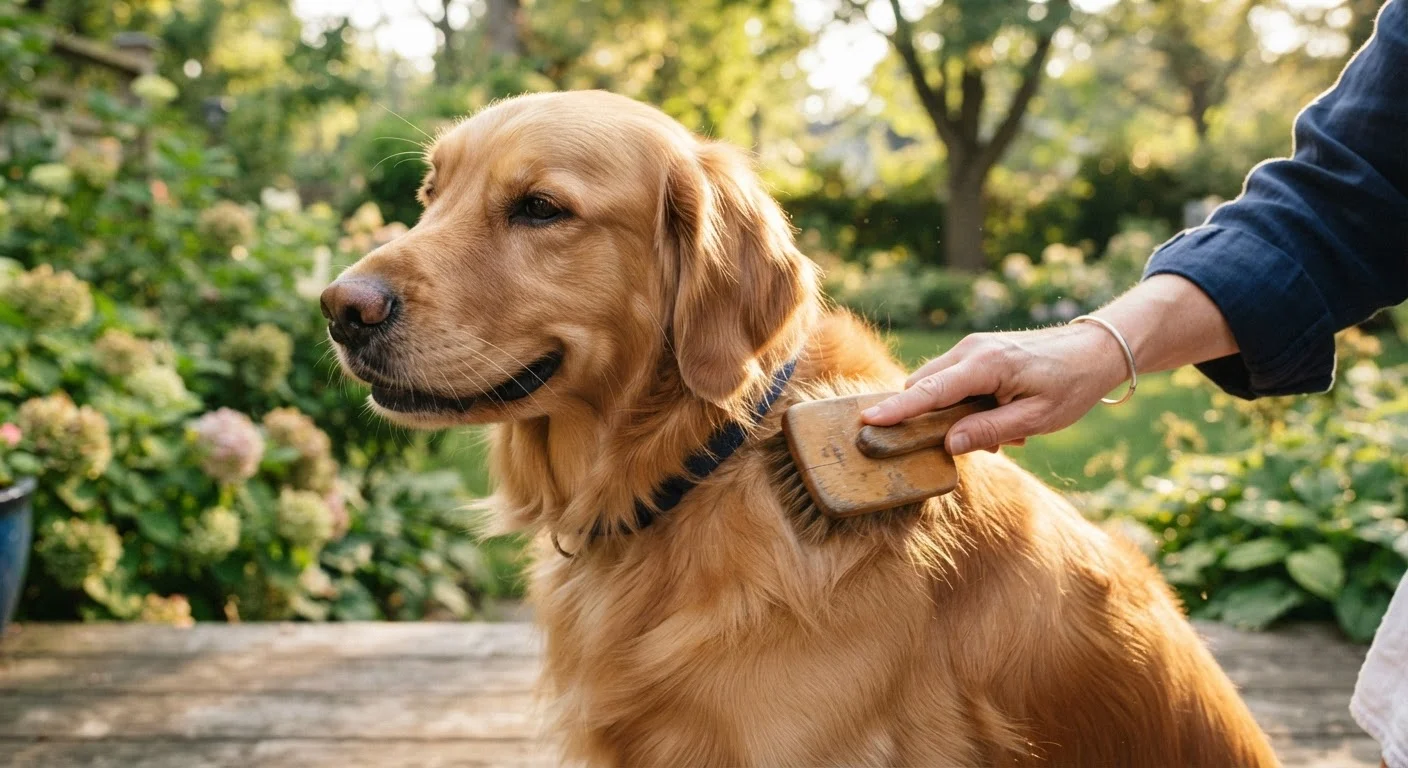
Photo credit: FaqInsider.com
In this article
Dull fur, excessive shedding, or bald patches can signal underlying issues. Learn what a healthy coat looks like and when to call your vet.
Key Takeaways
- A healthy coat should look shiny, feel soft, and shed at a predictable seasonal rate.
- Dull fur, flaking skin, or bald patches are common signs that diet, parasites, or an underlying condition may need attention.
- Excessive scratching, licking, or chewing at fur is a behavioral signal worth investigating with a vet.
- Nutrition - specifically protein and essential fatty acids - plays a central role in coat quality.
- Many coat problems are treatable once the root cause is identified by a veterinarian.
What a Healthy Coat Actually Looks Like
Before you can spot a problem, you need a clear picture of normal. For most dogs and cats, a healthy coat shares a few consistent traits: it looks glossy rather than flat, the individual hairs feel resilient rather than brittle, and shedding follows a predictable seasonal rhythm rather than occurring in sudden clumps.
Run your fingers against the grain of the fur. The skin underneath should look pale pink or match your pet's natural pigmentation - not red, flaky, greasy, or dotted with bumps. There shouldn't be any raw patches, scabs, or areas where the fur is noticeably thinner than surrounding sections.
Keep in mind that breed plays a role. A double-coated Husky will look and feel very different from a short-haired Beagle, and a Persian cat's dense fur requires different grooming than a Siamese's sleek coat. What matters most is consistency - knowing your individual pet's baseline makes it much easier to notice when something shifts. For a broader at-home checkup routine, see our monthly pet wellness check guide, which covers everything from nose to tail.
Common Warning Signs and What They May Mean
The coat can surface several different kinds of health signals. Understanding what each one tends to indicate helps you have a more productive conversation with your vet.
~70%
Of pets show nutritional coat improvements within 8 weeks of diet change
General veterinary guidance suggests that dietary adjustments targeting fatty acid intake often produce visible coat improvements within 6-8 weeks, though individual results vary.
1 in 5
Dogs affected by skin or coat-related conditions annually
Dermatological issues - including those affecting the coat - are consistently among the top reasons dogs visit veterinarians, according to pet insurance claims data.
2-3x
More shedding during seasonal coat transitions
Most double-coated breeds shed significantly more during spring and autumn as they blow their seasonal undercoat, which is normal and not a health concern on its own.
Dull, Dry, or Brittle Fur
When a coat loses its sheen and starts to feel coarse or break easily, nutrition is often the first thing to examine. Diets low in quality protein or lacking essential fatty acids - particularly omega-3 and omega-6 - are a well-established cause of poor coat condition. However, hormonal conditions such as hypothyroidism (an underactive thyroid) can produce the same appearance. A vet can distinguish between these with a physical exam and, if needed, bloodwork.
Excessive Shedding
Some shedding is completely normal, especially during seasonal coat changes. But if you're finding unusually large amounts of fur - outside of normal seasonal timing - or if shedding is accompanied by visible thinning, it's worth investigating. Stress, hormonal imbalances, and nutritional deficiencies are all potential contributors.
Bald Patches or Thinning Areas
Localized hair loss (called alopecia) can have many causes: parasites like mites or ringworm, bacterial or fungal skin infections, or self-inflicted damage from compulsive licking. In cats specifically, over-grooming triggered by stress or anxiety is a common culprit - our article on cat grooming vs. over-grooming explains how to tell the difference.
Flaking, Greasiness, or Odor
Flaky skin (dandruff) may signal low humidity, poor diet, or a skin condition called seborrhea. An unusually greasy coat or a strong, musty odor can point to a skin infection or an imbalance in the skin's natural oils. Both deserve veterinary attention rather than a home remedy.
The Role of Nutrition in Coat Quality
What your pet eats shows up in their fur, often within weeks of a dietary change. Protein is the building block of keratin - the structural component of hair - so diets that are low in digestible protein tend to produce dull, thin coats over time. Essential fatty acids, particularly those from fish or plant-based sources, help maintain the skin's moisture barrier and give fur its characteristic gloss.
A Simple Weekly Coat Check Takes 2 Minutes
Once a week while petting or grooming your animal, run your hands slowly over their entire body. You're feeling for lumps, tender spots, or areas where the fur suddenly feels different - coarser, thinner, or missing. This habit catches subtle coat changes early, before they become harder to address. Pair it with the full check described in our physical health signals guide.
This doesn't mean that adding supplements automatically fixes a coat problem. In fact, supplementing without identifying the root cause can sometimes mask symptoms without resolving them. If you suspect diet is the issue, the most reliable path is a conversation with your vet, who can assess whether your pet's current food is meeting their needs based on life stage, breed, and health status.
It's also worth noting that coat quality is just one piece of the physical health picture. For a fuller view of how vets assess overall condition, the article on healthy pet weight assessment is a useful companion read.
When Coat Changes Are a Behavioral Signal
Not every coat problem starts with the body's internal systems. Sometimes, the fur reflects what's happening in your pet's emotional world. Dogs and cats under chronic stress, dealing with anxiety, or experiencing boredom can redirect those feelings into repetitive behaviors - licking, chewing, or scratching at their own fur. Over time, this creates hot spots, bald patches, and raw skin.
If your pet's coat changes appear alongside shifts in behavior - increased hiding, changes in appetite, or unusual restlessness - the two may be connected. Our guide to reading pet body language can help you identify whether behavioral stress may be playing a role. A vet or veterinary behaviorist can help develop a plan that addresses both the physical and emotional sides of the issue.
The coat is never just cosmetic. Treat it as a communication channel - one that, when something seems off, is telling you to look a little closer at your pet's overall wellbeing. And when in doubt, your veterinarian is always the right first call.
This article is for general informational purposes only and does not constitute veterinary advice. Always consult a qualified veterinarian regarding your pet's specific health needs.
Frequently Asked Questions

Author
Pets & Animals Editorial Team
Pets & Animals Editorial Team is the collective byline for our editorial team and contributor network. Articles published under this byline or an editorial pen name are researched, written, and reviewed according to our editorial standards for clarity, consistency, and independence before publication.
View all articles →