
Common Assumptions About Pet Vaccines That Lead Owners Astray
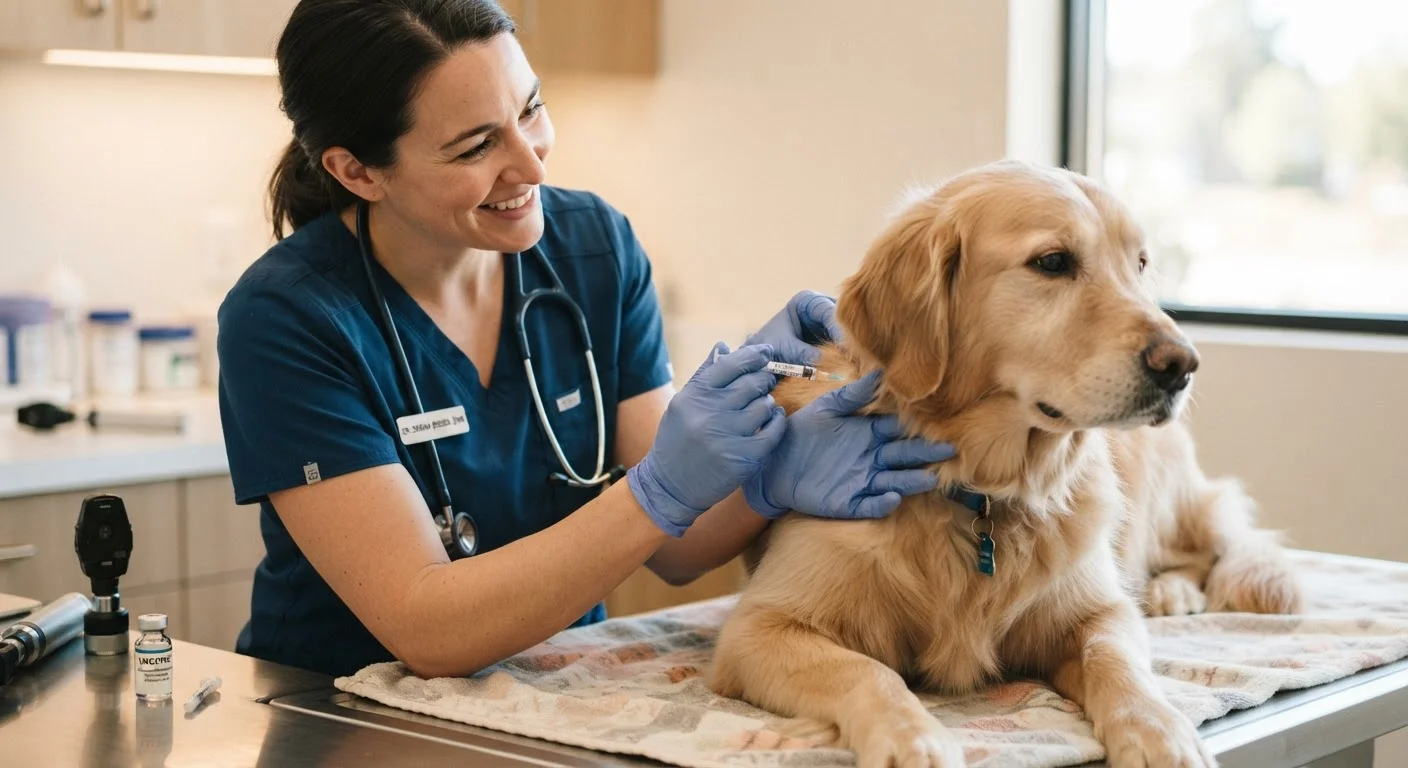
Photo credit: FaqInsider.com
In this article
From "indoor pets don't need shots" to fears about over-vaccination, we separate evidence-based guidance from widespread myth.
Key Takeaways
- Indoor pets can still face vaccine-preventable diseases through multiple exposure routes.
- Vaccine schedules are tailored to your pet's specific lifestyle, age, and health history.
- Side effects from vaccines are usually mild and short-lived; serious reactions are rare.
- Missing booster doses can leave pets unprotected even after a full puppy or kitten series.
- Your veterinarian is the best resource for deciding which vaccines your pet actually needs.
Why Vaccine Myths Persist - and Why They Matter
Misconceptions about pet vaccines aren't born from bad intentions. They often come from real observations - a pet who seemed sick after a shot, a neighbor's indoor cat who lived to 18 without ever visiting the vet - that get generalized into sweeping conclusions. The problem is that anecdotes, however vivid, don't account for the animals that didn't survive, or for the invisible diseases that never got the chance to spread because enough pets in the community were vaccinated.
Vaccine hesitancy in pets can have downstream consequences not only for individual animals but for community health. Rabies, for instance, is a public health concern: animal vaccination programs are a cornerstone of keeping human exposure risk low. Understanding what vaccines actually do - and don't do - puts you in a much stronger position to have a productive conversation with your veterinarian about your specific pet's needs.
For a broader look at how pet care beliefs can go sideways, see common pet health myths vets wish would go away.
Myth
Indoor pets don't need vaccines because they're never exposed to other animals.
Fact
Indoor pets still face real exposure risks through open windows, visitors, insects, and trips to the vet or groomer.
It's easy to assume that a cat who never leaves the house or a dog who rarely socializes is safe from contagious disease. In reality, pathogens travel in surprising ways. Rabies virus can enter a home through a bat that slips inside - a scenario that happens more often than most owners expect. Respiratory viruses like feline herpesvirus can hitch a ride on clothing or hands. Leptospirosis bacteria are shed by wildlife and can survive in puddles or soil tracked indoors on shoes. For more on how lifestyle affects health risks, see how indoor and outdoor lifestyles compare.
Myth
Once the puppy or kitten series is done, my pet is protected for life.
Fact
Immunity from vaccines wanes over time, and booster doses at appropriate intervals are needed to maintain protection.
The initial series of vaccines given to young animals is critical for building a foundation of immunity. However, protection from most vaccines does not last indefinitely. Depending on the vaccine and your pet's individual immune response, boosters may be needed every one to three years. Skipping them can leave your pet with declining immunity long before you realize anything has changed. Keeping your pet's vaccination history organized is part of staying on top of this - something explored in our guide on why pet health records matter.
Myth
Vaccines cause the diseases they're supposed to prevent.
Fact
Licensed veterinary vaccines cannot cause the disease they protect against; they stimulate an immune response using inactivated or modified agents.
This misconception often arises when a pet develops mild symptoms - such as low energy or a slight fever - after vaccination. These are signs that the immune system is responding and building protection, not signs of infection. Modified-live vaccines use weakened versions of a pathogen that cannot produce the actual disease in a healthy animal. Killed vaccines contain no live agent at all. Serious adverse reactions do exist but are uncommon; your veterinarian can discuss the risk-benefit profile for each vaccine relative to your specific pet.
Myth
All vaccines carry the same risk, so it's safer to skip as many as possible.
Fact
Vaccines are categorized as core or non-core based on risk levels; skipping core vaccines can expose pets to serious, potentially fatal diseases.
Veterinary organizations classify vaccines into two broad groups. Core vaccines are recommended for virtually all pets regardless of lifestyle because the diseases they prevent are severe, widespread, or transmissible to people - rabies is the clearest example. Non-core vaccines are recommended based on individual risk factors such as geographic location, exposure to other animals, or boarding habits. A blanket policy of avoiding vaccines conflates these two very different categories and can leave pets vulnerable to diseases that are both preventable and genuinely dangerous.
Myth
Natural immunity from surviving an illness is always better than vaccine-induced immunity.
Fact
Natural infection can produce severe illness, lasting organ damage, or death before any immunity develops - and the outcome is never guaranteed.
There are cases where recovering from a natural infection does produce robust, long-lasting immunity. However, the cost of getting there is surviving the disease itself - which is far from certain for conditions like parvovirus in dogs or panleukopenia in cats. These illnesses carry significant mortality rates even with intensive veterinary care. Vaccination offers a controlled way to stimulate the immune system without exposing your pet to that risk. Framing natural infection as a preferred path to immunity misrepresents the very real dangers involved.
Myth
If my neighbors' pets are vaccinated, my unvaccinated pet benefits from herd immunity.
Fact
Herd immunity thresholds require a very high percentage of a population to be vaccinated, and pets move between communities constantly.
Herd immunity is a genuine public health concept, but it requires vaccination rates well above 80-90% in a given population to meaningfully protect individuals who cannot be vaccinated. In a typical neighborhood, vaccination rates among pets vary widely and are impossible to verify. Additionally, your pet encounters animals at parks, boarding facilities, and veterinary waiting rooms - not just neighbors' pets. Relying on surrounding animals to carry the protective burden is an unreliable strategy for an individual pet owner.
Making Informed Vaccine Decisions With Your Vet
No single vaccine schedule fits every pet. Your veterinarian will consider your pet's species, breed, age, health status, and lifestyle when recommending which vaccines make sense and how often. A dog who regularly visits dog parks or boarding facilities has a different risk profile than one who stays home. A cat who occasionally slips outside, even briefly, faces different exposures than one in a truly controlled indoor environment - a distinction covered in depth in our article on indoor vs. outdoor lifestyles for cats.
Don't Skip Vaccines Based on Online Anecdotes
Social media and forums can amplify rare negative experiences while hundreds of thousands of uneventful vaccinations go unmentioned. Individual stories are not a reliable basis for medical decisions. If you have concerns about a specific vaccine or your pet's reaction history, raise them directly with your veterinarian - they can help you weigh real, documented risks against documented benefits for your individual animal.
Bring questions to your appointment rather than making decisions around them. Ask which vaccines are core for your region, what boosters are due, and whether any non-core vaccines apply to your pet's habits. This kind of engaged, ongoing dialogue is exactly what good preventive care looks like - and it's far more reliable than assumptions built on myth.
This article is for general informational purposes only and is not a substitute for professional veterinary advice. Always consult a licensed veterinarian for guidance specific to your pet's health needs.

Author
Pets & Animals Editorial Team
Pets & Animals Editorial Team is the collective byline for our editorial team and contributor network. Articles published under this byline or an editorial pen name are researched, written, and reviewed according to our editorial standards for clarity, consistency, and independence before publication.
View all articles →