
Indoor vs. Outdoor Lifestyles for Cats: Understanding the Real Trade-Offs
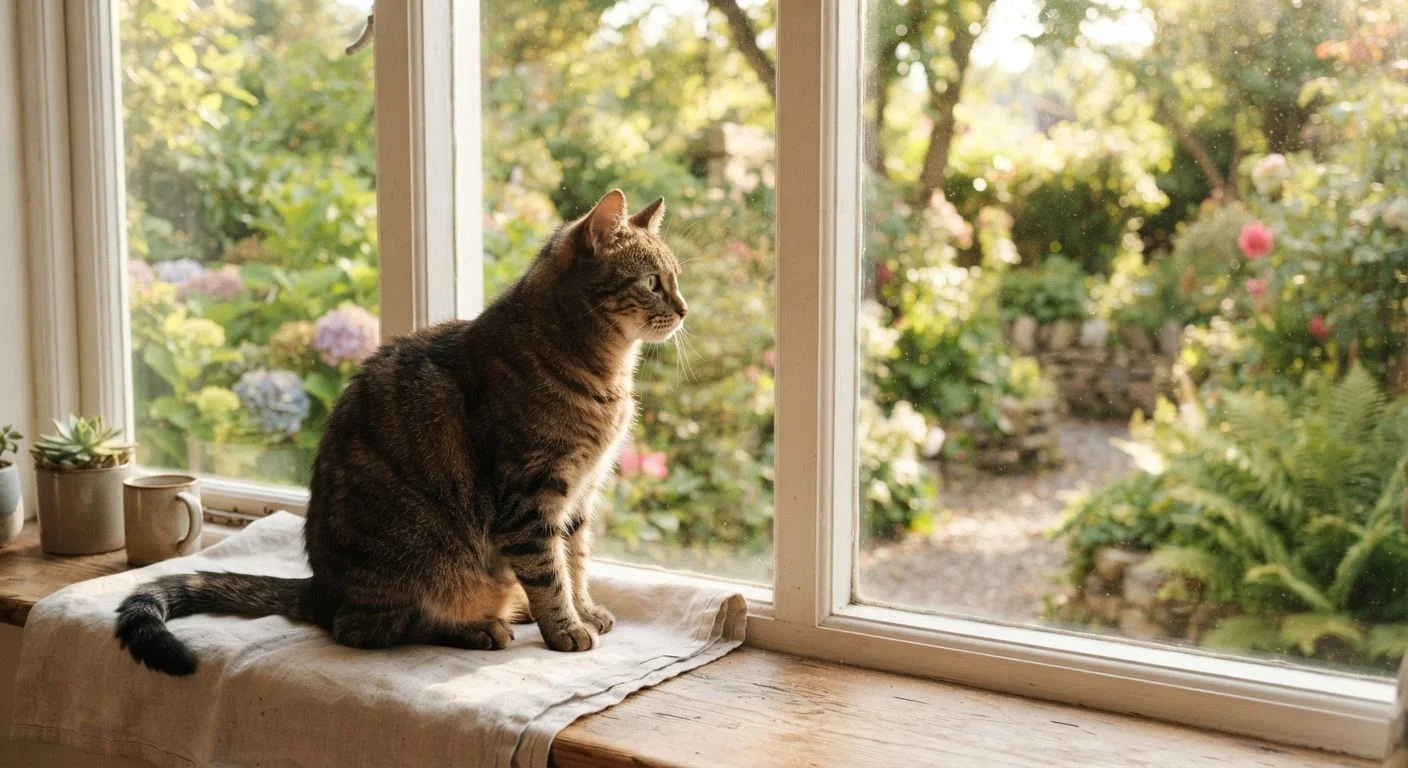
Photo credit: FaqInsider.com
In this article
The debate over indoor and outdoor cats involves safety, enrichment, and health. Here's a balanced look at what the evidence suggests for each lifestyle.
Key Takeaways
- Indoor cats typically live significantly longer than cats with outdoor access.
- Outdoor cats face real risks including traffic, predators, disease, and injury.
- Indoor cats require deliberate mental and physical enrichment to stay healthy.
- Supervised outdoor access - such as a catio or leash walks - can offer a middle ground.
- Your cat's individual temperament, history, and environment should guide your decision.
Significantly longer average lifespan
Veterinary data consistently shows indoor cats outlive outdoor cats by several years on average, largely due to reduced exposure to traffic, injury, and infectious disease.
Lower disease and parasite exposure
Indoor cats have far less contact with FeLV, FIV, rabies, and common parasites like fleas and ticks, reducing both treatment burden and long-term health risk.
Protection from environmental hazards
Toxins such as pesticides, antifreeze, and certain plants are less accessible indoors, and threats from predators or territorial cat fights are essentially eliminated.
Easier to monitor health and behavior
Owners of indoor cats can more readily notice changes in appetite, litter box use, and activity level - early indicators that something may be wrong.
Significant exposure to traffic and injury
Vehicle strikes are among the most common causes of death for outdoor cats, and risk increases substantially in urban and suburban areas with regular traffic.
Higher risk of infectious disease
Contact with other cats - whether friendly or territorial - creates pathways for FeLV, FIV, and upper respiratory infections that are largely preventable indoors.
Vulnerability to predators and territorial conflict
Depending on geography, outdoor cats face threats from dogs, coyotes, and raptors, as well as injuries from fights with other cats over territory.
Greater parasite burden year-round
Fleas, ticks, intestinal worms, and ear mites are all substantially more common in cats with outdoor access, often requiring ongoing preventive treatment.
Unpredictable hazard exposure
Outdoor cats may ingest pesticides, rodenticides, or toxic plants without an owner's knowledge, making the source of illness difficult to identify and treat promptly.
Why This Decision Matters More Than Many Owners Realize
Where your cat spends its time shapes nearly every dimension of its wellbeing - from lifespan and disease risk to behavioral health and stress levels. This isn't a lifestyle preference question with an easy answer; it's a genuine trade-off that veterinarians, animal behaviorists, and researchers continue to examine.
Understanding what each lifestyle actually involves - not just in theory but in daily practice - helps you make a grounded choice rather than one based on assumption. This article lays out the real advantages and disadvantages on both sides, so you can weigh what matters most for your specific cat and situation. For a broader look at how this applies to pets generally, see Indoor vs. Outdoor Pets: Weighing the Real Risks and Benefits.
The Case for Keeping Cats Indoors
Indoor living removes a long list of hazards that shorten cats' lives in measurable ways. Studies comparing indoor and outdoor cat populations consistently find that indoor-only cats live substantially longer on average - estimates from veterinary sources often cite indoor cats living 12-18 years compared to significantly shorter median lifespans for cats with outdoor access.
Significantly longer average lifespan
Veterinary data consistently shows indoor cats outlive outdoor cats by several years on average, largely due to reduced exposure to traffic, injury, and infectious disease.
Lower disease and parasite exposure
Indoor cats have far less contact with FeLV, FIV, rabies, and common parasites like fleas and ticks, reducing both treatment burden and long-term health risk.
Protection from environmental hazards
Toxins such as pesticides, antifreeze, and certain plants are less accessible indoors, and threats from predators or territorial cat fights are essentially eliminated.
Easier to monitor health and behavior
Owners of indoor cats can more readily notice changes in appetite, litter box use, and activity level - early indicators that something may be wrong.
The protection indoor life provides is real and well-documented. Vehicles, predators (including dogs, coyotes, and raptors depending on geography), toxins, and contagious diseases all pose threats outdoors that simply don't apply inside. Indoor cats are also less likely to contract parasites like fleas, ticks, and intestinal worms, or infectious diseases spread through contact with other animals.
That said, indoor life isn't without challenges. Cats evolved as active predators, and a home without adequate stimulation can produce boredom, anxiety, and behavior problems. Mental enrichment for indoor pets isn't optional - it's a core component of responsible indoor cat ownership.
The Case for Allowing Outdoor Access
Cats allowed outside gain access to a level of sensory richness and physical challenge that no indoor environment fully replicates. Natural hunting behavior, varied terrain, fresh air, and genuine novelty all contribute to behavioral and psychological engagement that enrichment toys can approximate but not duplicate.
Significant exposure to traffic and injury
Vehicle strikes are among the most common causes of death for outdoor cats, and risk increases substantially in urban and suburban areas with regular traffic.
Higher risk of infectious disease
Contact with other cats - whether friendly or territorial - creates pathways for FeLV, FIV, and upper respiratory infections that are largely preventable indoors.
Vulnerability to predators and territorial conflict
Depending on geography, outdoor cats face threats from dogs, coyotes, and raptors, as well as injuries from fights with other cats over territory.
Greater parasite burden year-round
Fleas, ticks, intestinal worms, and ear mites are all substantially more common in cats with outdoor access, often requiring ongoing preventive treatment.
Unpredictable hazard exposure
Outdoor cats may ingest pesticides, rodenticides, or toxic plants without an owner's knowledge, making the source of illness difficult to identify and treat promptly.
For cats accustomed to outdoor life from kittenhood, transitioning to a fully indoor lifestyle can be genuinely stressful. Some cats with strong prey drives or territorial instincts show persistent frustration when confined. Owners of such cats often find that some form of supervised outdoor access - a secure enclosure, a leash walk, or a "catio" - reduces behavioral problems significantly.
However, outdoor access introduces risks that compound over time. Even in quiet suburban neighborhoods, outdoor cats face vehicle traffic, territorial conflicts with other cats, and exposure to diseases like feline leukemia virus (FeLV) and feline immunodeficiency virus (FIV). If your cat goes outdoors, staying current on vaccinations becomes even more critical - see common assumptions about pet vaccines for context on what protection actually covers.
12-18 years
Typical indoor cat lifespan
Veterinary sources commonly cite indoor-only cats living 12-18 years, compared to substantially shorter median lifespans reported for cats with outdoor access.
~60%
Share of U.S. owned cats kept indoors
According to the American Veterinary Medical Association's pet ownership surveys, a majority of owned cats in the U.S. are kept primarily or exclusively indoors.
Middle-Ground Options Worth Considering
The indoor/outdoor divide isn't binary. Many owners successfully find compromise approaches that reduce risk while preserving enrichment.
- Catios: Enclosed outdoor structures that allow cats to experience outside air, sights, and sounds without roaming freely. These can be simple window boxes or elaborate yard enclosures.
- Leash training: Some cats adapt well to harness and leash walks, giving them supervised outdoor exposure under owner control. Patience and early introduction improve success rates.
- Supervised yard time: Allowing outdoor access only when an owner is present and the environment is assessed as safe reduces - though doesn't eliminate - risk.
Each approach involves a commitment of time, money, or both. But for cats that struggle behaviorally indoors, they can be meaningful quality-of-life improvements. Understanding feline play aggression and how to redirect it can also help manage indoor frustration without requiring outdoor roaming.
Enrichment Is Non-Negotiable for Indoor Cats
An indoor environment without adequate stimulation can contribute to obesity, anxiety, and destructive behavior. Window perches, puzzle feeders, climbing structures, and regular interactive play sessions are practical ways to meet a cat's behavioral needs without outdoor access. The investment in enrichment pays off in a calmer, healthier cat.
Making the Right Choice for Your Cat
There's no single correct answer. A confident, adaptable cat raised indoors from kittenhood often thrives without outdoor access - provided its environment is genuinely enriched. A previously outdoor cat forced suddenly inside may struggle significantly. Local context also matters: a busy urban apartment building presents different considerations than a rural property with limited traffic.
When assessing your situation, consider your cat's temperament and history, the specific outdoor risks in your area, your realistic capacity to provide indoor enrichment, and whether supervised outdoor options are feasible. Your veterinarian can be a helpful partner in evaluating your cat's individual health picture alongside lifestyle factors.
This article is for general informational purposes only and does not constitute veterinary advice. Always consult a licensed veterinarian for guidance specific to your pet's health and circumstances.

Author
Pets & Animals Editorial Team
Pets & Animals Editorial Team is the collective byline for our editorial team and contributor network. Articles published under this byline or an editorial pen name are researched, written, and reviewed according to our editorial standards for clarity, consistency, and independence before publication.
View all articles →